Tag Archives norms

What can the frugal innovation debate learn from the Norm Life Cycle debate?

There is a strong case for making innovations more frugal. The world needs innovations which are sparing in the use of resources and affordable by poor people. They matter especially in poor countries but also for people in rich countries, as frugal innovations can help us to push towards a more sustainable future. Frugal innovations are therefore relevant for most of the world’s population. The problem is that frugal innovation so far remains a fringe phenomenon.  The question addressed in this blog is how frugal innovation can become the norm rather than remain the exception.

Norm Life Cycle Illustration

To address this question, we draw on the Norm Life Cycle framework because it helps us to unpack the time dimension. It creates the mental space for detecting insights into process and sequence. This blog shows how the Norm Life Cycle framework helps to understand how idealistic and committed actors – going against the tide – can bring a new norm towards a tipping point. Once it reaches this tipping point, it starts to become the new normal. Then also those who earlier dismissed this new norm will start to adhere to the new norm, even if with fits and starts. A final stage is when such a new norm becomes internalised in a society through policy and law making.

Norm life cycle based on Illustration in Savarimuthu and Cranefield(2019)

In what follows we present the Norm Life Cycle framework in more detail and then indicate how it can move us forward.

Three stages 

The framework was developed by Martha Finnemore and Kathryn Sikkink in their article International norm dynamics and political change. It investigates how the norms for what is acceptable behaviour in a society change over time. Its key propositions are as follows. In the first stage of norm emergence, altruism, empathy, idealism and commitment are seen as the main motives for so called ‘norm entrepreneurs’ to push for a new norm. This new norm goes against the tide of ‘how things have always been done’ and is initially dismissed by mainstream stakeholders as going against common sense and the interests of the elites, being impractical, going to drive up costs, etc. An often-used example is the abolition of child labour. While child labour was once considered a normal and convenient practice in many societies in earlier centuries, at some point ‘enlightened’ activists began to rally against child labour. In the early stages these activists fought an uphill battle, and it took them lots of effort and perseverance to get the upper hand and reach what in the Norm Life Cycle framework is called the tipping point when such a new norm becomes mainstreamed.

This is called the second stage of norm cascading where it becomes ‘the right thing to do’ for more mainstream stakeholders beyond the idealistic norm entrepreneurs. Even less convinced stakeholders may start claiming they adopt the new norm in order to minimize the risk of being considered a laggard or ‘out of touch with the new reality’. Effectively, the societal license to operate has tipped and a new norm has become established. Another typical dimension of an established new norm is that it becomes difficult to imagine that such a norm did not exist before, like in the case of the broad conviction that child labour should never have been allowed.

The third and final stage is norm internalization. This is when the new norm becomes consolidated in policy and law making as it is considered to represent a generally accepted minimal level of legitimate behaviour. Here it is important to note that this implies that policy and law makers tend to follow norm setting in society instead of spearheading the establishment of new norms.

The key actors 

What does this imply for the frugal innovation debate? In order to show how this framework helps us with mainstreaming frugal innovation thinking, we need to populate these stages with actors. We distinguish between two types of actors. Those who develop frugal innovations and those who facilitate the process.

Amongst those who actually develop frugal innovations, we can identify three types of norm entrepreneurs. The first group consists of people trying to creatively solve a bottleneck in their own community. They are not primarily motivated by the prospects of subsequently making a business based on their innovation. They recognise a problem and see a technical or organizational solution, which is affordable and saves energy or other resources. The second category are social entrepreneurs and NGOs who develop frugal innovations – sometimes with local stakeholders – to help address a Sustainable Development Goal, like access to electricity through a solar-panel driven local mini-grid. These two types of norm entrepreneurs embrace frugal innovation thinking as a way to tackle developmental challenges. The third type of entrepreneurs develop frugal innovations to enhance their competitiveness and profits. They may do this through, for example, simplifying and stripping products, services and systems from superfluous frills, using fewer and possibly more renewable resources.

Next to those actors who actually develop frugal innovations, we identify four types of facilitators. These are researchers, educators, early adopters and policy makers.  Let us start with the researchers. An increasingly multi-disciplinary academic debate is emerging among researchers about the importance and relevance of frugal innovation. A recent example is a multi-disciplinary Handbook on Frugal Innovation, published by Edward Elgar. Educators further spread the message further, for instance business schools which offer case studies of frugal innovation in their courses for future executives. Another example is the popular module on Frugal Innovation for Sustainable Global Development offered to bachelor students from Leiden-Delft-Erasmus Universities in the Netherlands. This module presents frugal innovation as a crucial component in broader sustainability thinking for the next generation.

The third category of facilitators are so-called early adopters, a term that comes from marketing science. They make frugal innovations fashionable, demonstrating a lifestyle that others can then aspire to. Typically, they are younger people with high levels of income and education, for whom greener and more frugal consumption patterns are already a more established norm. A final facilitating actor are law and policy makers. In the basic Norm Life Cycle framework, they come to prominence only in the final stage of internalisation, where they further consolidate a new norm in the law and in policies. In principle, however, they can also play a role earlier in the process, as discussed in the next section.

Moving forward 

What stage are we currently in? De facto we are in the norm emergence stage. However, advertising creates the illusion that we are already in the norm cascading stage. ‘Responsible resource use’ may be ubiquitous in advertising but not yet in reality. In this concluding section we indicate how the various actors can help the progression from norm emergence to norm cascading.

In the present norm emergence stage, norm entrepreneurs that actually develop and implement frugal innovations are crucial to show how such innovations benefit poorer people while being sparing in the use of resources. The facilitating actors are also crucial as their role is to showcase these examples and create the conditions for the broader public and policy makers to grasp the importance of frugal innovations. The research community, one of the facilitating actors, showed recently an encouraging sign of getting closer to the tipping point towards norm cascading. In its December 2023 editorial, the journal Nature apologizes for neglecting frugal innovation research and encourages policy makers, scientists and journal editors to ‘not just to make do, but to make amends’ and make frugal innovation a mainstream concern. (Nature, Vol 624, 7 Dec 2023, p. 8).

The question is how to achieve this. Here we benefit from the step taken in the previous section in which we populated the Norm Life Cycle framework with the relevant actors.  Now we need to take this one step further and consider these actors not in isolation but as potential collaborators in a common project. The relevance of doing this was stressed in our previous blog which emphasized the role of coalitions in promoting renewable energy.

There are signs that some policy actors (facilitators of frugal innovation!) are starting to join hands and build alliances with like-minded stakeholders. Some policy makers at the provincial and European levels have been pro-active in generating interest in frugal innovation thinking, and in trying to convince their colleagues and political chiefs of its importance. Such frontrunners are important allies in attempts to weld stronger coalitions with like-minded norm entrepreneurs and other facilitators to push towards the key tipping point towards norm cascading.

Still, as a diverse community of facilitators, we need to become more strategic about the need to really act in tandem as norm entrepreneurs. As shown in our previous blog mentioned above, one can go further and build selective and temporary coalitions with stakeholders who may well have other ulterior objectives but would lend support to the initiative in question. This also applies here. While actors may have very different motives for promoting frugal innovation, we need to pragmatically form alliances to create critical mass.  For example, actors whose prime concern is the fostering of local economic development or the promotion of Small and Medium Enterprise could become allies in supporting frugal innovation projects and policies. Operationally, we can start with developing a set of appealing pitches for various audiences of why and how frugal innovation will help to address some of the grand challenges of our time. Further sector- and region-specific research is needed to substantiate and concretize such pitches.

There is an alternative route from norm emergence to norm cascading in which early adopters play the key role. Let us explain. So far, we have assumed that the norms emerge in the context of poor communities. Indeed, frugal innovation research has tended to unearth examples of innovations which are resource saving and are affordable by the poor from the start. However, we need to recognise that some innovations are expensive to start with and become affordable by the poor later in the product life cycle. This is why we introduced the category of early adopters as facilitators of frugal innovation. These early adopters tend to be young, rich and well-educated, and they demonstrate a sustainable lifestyle and make it fashionable. This matters because the more others aspire to such lifestyles the faster the decline in prices and the greater the affordability by the not-so-well off. Researchers can contribute by showing examples of communities where frugal innovation thinking – taking this route – has become the way to move forward. In other words, a concern with the dynamics of frugal innovation leads us to also consider this route from norm emergence to norm cascading.

As stressed in the beginning, the Norm Life Cycle framework helps us to unpack the time dimension and creates the mental space for exploring processes and sequences. We have seen that bringing about a cascading effect is a huge challenge. Once frugal innovation reaches the norm cascading stage, policy and law makers are crucial to further consolidate this in the norm internalization stage. Moreover, the early adopters can pave the way towards norm internalization by setting the example of more frugal consumption patterns, out of choice, not necessity. For this norm internalization to occur it would benefit from a vision that is aspirational and expresses both the resource saving and affordability of our ambition. We propose ‘frugal prosperity for all’ as the vision to strive for.

This article was first published here

Opinions expressed in Bliss posts reflect solely the views of the author of the post in question.

About the authors:

Hubert Schmitz is a renowned development economist specializing in sustainable industrialization, investment politics, and green transformations with 40 years of expertise.

Peter Knorringa, is a Professor at Erasmus University Rotterdam, and specializes in the multifaceted influence of businesses on development.


Are you looking for more content about Global Development and Social Justice? Subscribe to Bliss, the official blog of the International Institute of Social Studies, and stay updated about interesting topics our researchers are working on.
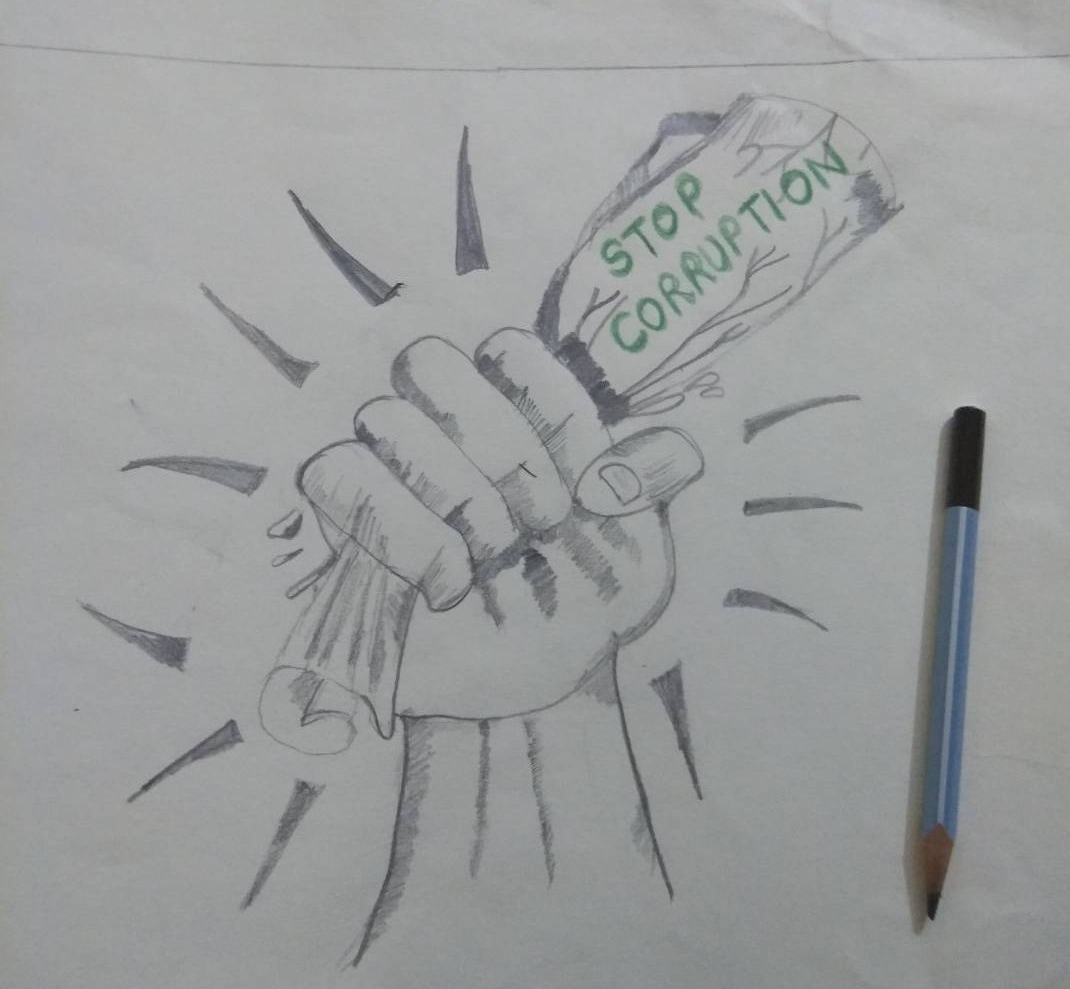
 

Norms: How can we start tackling something so often ignored in governance work? by Katie Whipkey

By Posted on 1514 views

What do you get when you cross university researchers, development aid practitioners, and a few people somewhere in between? This sounds like it could be the start to a good joke, but it could actually be the start of something much more meaningful. A group of 19 researchers and practitioners got together at the CARE Nederland office to talk about a major gap in the research literature and development practice: governance norms.


Yes, norms are a hot topic in research and development and much attention has been given to considering gendered norms, corruption, and other very important topics. But, thinking about how norms interact with governance systems is something that is rarely addressed head-on. CARE Nederland decided to convene this group to start the conversation.

So, what do norms have to do with governance? Perhaps more than you might think! Governments and public authorities worldwide are faced with norms every day. It could be something as simple as community members at the village level being expected to buy a drink for their local representative in order to get a small need met or as complex as maintaining power for an ethnic group at the national level. Regardless of what it is, many studies have been undertaken to try to understand different types of norms in a variety of sub-themes and numerous interventions have been launched to change them. Despite this variety of studies and interventions, few have directly tackled the theme of norms in governance directly.

There are many definitions of what constitutes a norm, but for the sake of this conversation, we’re using a shared understanding that a norm is a collective belief that influences what behaviors people do. A norm is a norm because it relies on others, whereas an attitude, for example, could be an independently-held belief. Norms could be about what people believe others are doing and about what people believe others think they should be doing. Norms can directly translate into a behavior or there could be many norms that collectively influence a behavioral outcome. Certainly, some norms are stronger than others; norms can range from being essentially obligatory in a society to something just relatively common or possible. All this in mind, of course, public authorities will encounter norms every day in many aspects of their jobs.

Norms often persist due to the propensity for solidarity, reciprocity, and a sense of obligation. In other words, corruption norms often persist because officials are expected to take care of their own. If a norm is socially accepted, it is legitimized and likely to persist even if it is damaging. For example, if a norm exists that public officials must take bribes and a new, well-meaning public official decides to break this norm, then he/she could risk being ostracized from colleagues or even risk losing his/her job. Regardless, norms require reference groups (these are the people who others believe dictate whether a norm is accepted) and sanctions (punishments or rewards for breaking or upholding the norm). In our example here, the reference group would be peer public officials and the sanction would be being ostracized or losing the job.

We should consider putting power at the center with many forces such as institutions, individuals, resources, social structures, and societal morals and values all working to create and maintain norms. And of course, people experience power dynamics and inequalities differently, so the intersectionality of power is also a driver of governance norms.

In general, norms are part of an ecosystem. They persist from the macro to the micro and can be experienced differently in different parts of the ecosystem. Norms can be changed by drivers such as the economy, through official mechanisms such as law changes, or through personal motivations from awareness raising or other activities. In fragile and conflict settings, there may be a mismatch between traditional and modern norms that could create tensions between sub-groups. In governance processes, this could create a fundamental divide between more modern or national government systems and more traditional or local governance processes, which could be a driver for enabling such norms to persist.

We have a lot of considerations if we want to tackle this issue together. Not least of all are our ethical considerations: Who are we to change a deeply-held norm? How do we balance incentives such as development aid if we tie them to norm change? How do we ensure that we’re not entangling our personal values with what is truly best for communities? How do we generate internal motivations for communities to change norms on their own? These questions and so many more are important considerations for both researchers and practitioners.

By the end of the first meeting, it was quite clear that we still have a lot of work to do to understand governance norms. We must first understand and then seek to challenge governance norms if we want to make meaningful progress toward sustainable and inclusive governance processes worldwide.


This blog was based on a working group event for experts in the topic of social norms in The Netherlands on 1 July 2019 and was originally published here. The event was sponsored through the Every Voice Counts project of CARE Nederland, funded by the Dutch Ministry of Foreign Affairs.

Members of the social norms expert group include: Emmely Benschop (The Hague Academy of Local Governance), Sylvia Bergh (International Institute of Social Studies, Erasmus University Rotterdam), Lori Cajegas (CARE Nederland), Ben Cislaghi (London School of Hygiene and Tropical Medicine), Jacopo Costa (Basel Institute on Governance and University of Basel), Ine Cottyn (Clingendael Institute), Marleen Dekker (Leiden University African Studies Center), Volkert Doop (VNG International), Edin Elgsaether (Netherlands Institute for Multiparty Democracy), Elsbet Lodenstein (Royal Tropical Institute), Berlinda Nolles (CARE Nederland), Pavithra Ram (RNW Media), Ambra Scaduti (Oxfam Novib), Reintje van Haeringen (CARE Nederland), Merlijn van Wass (CARE Nederland), Fatma Wakil (CARE Nederland), Katie Whipkey (CARE Nederland), Karin Willemse (Erasmus School of History, Culture and Communication) and Franz Wong (Royal Tropical Institute).


Image Credit: Mehzabi on Wikimedia. The image was cropped.


About the author:

katie whipkeyKatie Whipkey is the Policy, Research, and Communications Officer for the Every Voice Counts programme at CARE Nederland. Katie joined CARE in February 2019 to work on promoting inclusive governance and expanding the voice of women and youth in fragile and conflict-affected settings through evidence-based research. Prior to CARE, Katie worked at RAND Corporation as a policy analyst. Katie has an MSc in Public Policy and Management from Carnegie Mellon University.

Hyper-masculinity: a threat to inclusive community development in fragile environments by Holly A Ritchie

By Posted on 3428 views

About the author:
Picure_Holly_R_2Holly A Ritchie is a (post doc) research fellow at the International Institute of Social Studies (ISS), Erasmus University with a strong interest in gender, norms and social change in economic development in fragile environments. Her work has spanned Afghanistan, East Africa and the Middle East.


‘Hyper-masculinity’ describes the exaggeration of stereotypical male behaviour, which can result in increased incidences of gender-based violence for men as well as women. In war-torn developing countries, Holly Ritchie argues that such behaviour also acts as a fundamental barrier to change, and inclusive community development.


Galvanising action against Gender-Based Violence (GBV), this year’s 16 days of Activism campaign draws special attention to the underserved and marginalised, ‘Leave No One Behind: End Violence against Women and Girls’. This comes on the heels of the recent #MeToo movement, with social media highlighting the prevalence of so-called ‘toxic masculinity’, and a call for victims to speak out and to raise awareness of men’s abuse and harassment of women around the world. In less developed and conflict prone environments, we may see a more serious and extreme version of this behaviour, often described as ‘hyper-masculinity’.

Stemming from psychology, the concept of ‘hyper-masculinity’ describes the exaggeration of stereotypical male behaviour, particularly related to men’s physical strength, aggression, and sexuality. Such behaviour fuels the dominance of men over women, and competitive behaviour between men. This often results in increased incidences of gender-based violence against women, and even violence against men. In war-torn developing countries, I believe that such behaviour also acts as a fundamental barrier to change, and inclusive community development.

Picure_Holly_R_3
Dance party before ‘Strong Man’ competition in Twich East, Jonglei, South Sudan (Credit: Holly A Ritchie)

In pastoralist groups in sub-Saharan Africa, society is strongly patriarchal with gender-related roles and responsibilities. Men are expected to be the decision-makers and protectors, with women in secondary roles, as ‘homemakers’. Pastoral women have been described to be ‘doubly marginalized’, since they experience both regional marginalization in rural communities, whilst also negotiating a lifestyle that is often culturally gender-biased. In my extensive research across the region over 2015-17[i], pastoralist communities are now increasingly fragile, with growing populations and scarce resources. Women and girls remain particularly vulnerable. But simultaneously, women and girls also stand at the potential forefront of social change, with new access to basic services such education and health, and livelihood opportunities.

Yet my research emphasised the complexity of the humanitarian situation in South Sudan, with the persisting phenomenon of hyper-masculinity in a context of underdevelopment and risk. In Dinka groups in the central region of Jonglei, traditional attitudes are reinforced through the entrenched practice of marriage dowries (with livestock pledged to the bride’s family). This feeds into the perception that women and girls belong and answer to men. As a warrior culture, there is also still value attached to men’s ability to demonstrate ‘manliness’, including through ‘strong man’ competitions such as wrestling. Reinforcing this, women will equally reject men as potential husbands that have not proven their manhood through such displays. And despite deteriorating environmental conditions and drought, men are equally shunned for helping out with ‘female’ activities (e.g. collecting water or firewater). My research showed that access to firewood in particular has dramatically worsened across the region, with deforestation and population explosion. Insecurity in South Sudan further restricts movement and access. Adolescent girls in Eastern Equatoria bemoaned the influence of local peer pressure on possible shifts in behaviour: “Men and boys cannot help out with ‘women’s’ chores since they will face abuse by their peer groups, be considered ‘voiceless’ and ‘not manly”.


Picure_Holly_R_4
Women discuss gender roles in Jonglei, South Sudan (Credit: Holly A Ritchie)

Beyond daily workloads, these traditional attitudes and practices have fostered harmful power imbalances between men and women (and children) in South Sudan. This often leads to gender-based violence, and other forms of violence in the home, community and beyond. Yet such behaviour is often condoned in rural life in South Sudan, with over 80% of men and women agreeing that women should tolerate domestic violence to ‘keep the family together’[ii]. The phenomenon of wife battery, a traditional household practice used to discipline and control women, thus remains normal. In my research, men’s focus groups indicate that domestic violence was still both highly prevalent, and for many, an acceptable way of managing their women (and even often described as ‘wife correction’). Pastoralist women even defined their husband’s ‘care’ through such abusive practices. And within marriage, sex is considered a ‘non-negotiable’: “Your husband can demand sex and you must give it or be beaten.”  However, others described new perspectives being slowly brought in with education and community development.

Much has been written about the popular topic of women’s empowerment. Empowerment relates to the changing nature of women’s individual and collective ability to act (agency), which may bring about changes in every day life practices. In my research across the Horn of Africa, the strongest positive influence on women’s empowerment and change was shown to be girls’ education, and women’s participation in village savings and lending associations (VSLAs), shifting public perspectives on women and girls’ capacities and value at home, and even in business. In South Sudan, women’s groups also highlighted the growing influence of the church in reducing incidences of domestic violence, “bringing changes to these [male] habits”.


Yet during times of heightened instability – including localized village conflict, and now renewed civil war in South Sudan – a reversion to stereotypical men’s behaviour is observed. This may be described as a sort of coping mechanism as men grapple with additional stress, frustration and disorder. Men’s community groups explained that whilst there may have been positive shifts in their behaviour in recent times, domestic violence rose once more during crises: “because of the hardship of life”. Sexual violence may be perpetrated against women and children, as well as men by local gangs and militia. Women may also be traded for food or used as sexual slaves (and forced into prostitution). Between the onset of civil war in 2013 and 2016, an increase in sexual violence by ‘multiple armed actors’ was reported across the country.

Reflecting upon such spikes in violence, whilst education, and NGO-facilitated social dialogue is opening up new ideas on gender rights and roles, women’s empowerment may face a glass ceiling in a context of fragility or war, particularly with strong male behavioural tendencies. From a development perspective, I believe that this requires a new and bolder approach with more strategic interventions that involves community male leaders and youth, as well as women to address cultural attitudes, and to steer a new narrative around gender roles and behaviour. In forging new sets of values and beliefs about women and girls, ‘deeper’ empowerment approaches may include the deliberate and careful use of songs, theatre, dance and even (progressive) religion. For many communities in South Sudan, this can build on recent experience and exposure as Internally Displaced Persons (IDPs) in Kenya and Uganda, with new perspectives emerging related to family and community life, particularly amongst women and youth. Notably in my research, elders and men were reported to be a community group that had the least positive influence on women and girls’ empowerment, or were simply described as ‘neutral’ on such topics, busy instead with ‘community security and protection’. Here, it may be critical to learn from neighbouring countries and projects. An instrumental social movement initiated in Burundi known as abatangamuco (‘he who brings light’) has brought men and boys on board with domestic violence and women’s development through cross-community discussions and story telling.


Yet in protracted humanitarian situations such as South Sudan, besides new programmatic approaches involving men, it is worth noting that women’s own smaller collective initiatives, particularly related to peace-building[iii] may both aid in curbing violence but also allow critical ‘social space’[iv] for women to reimagine their lives and to explore cultural processes of transformation and development.


[i] Ritchie, H. A. (forthcoming/2018) Synthesis paper (Trends in Gender and Pastoralism in the Horn of Africa), CARE International.

[ii] Scott, Jennifer, Averbach, Sarah, Merport Modest, Anna, Hacker, Michelle R., Cornish, Sarah, Spencer, Danielle, Murphy, Maureen, and Parmar, Parveen (2013) ‘An assessment of gender inequitable norms and gender-based violence in South Sudan: a community-based participatory research approach’, Conflict and Health 7:4.

[iii] Dini, S. (2009) ‘Women building peace: Somali women in Puntland and Somaliland’, Conflict Trends 2 (31-37).

[iv] Cockburn, C. (2000) Gender and Democracy in the Aftermath of War: Women’s Organization in Bosnia-Herzegovina. Inaugural lecture. Utrecht: University for Humanist Studies.