Confronting Apartheid Through Critical Discussion by Ana María Arbeláez Trujillo and Jeff Handmaker

By Posted on 4294 views

The history of apartheid in South Africa is generally well-known. Yet, apartheid is not exclusive to that country. According to international law, and on various social grounds, Israel too may be viewed as maintaining an apartheid regime. What does apartheid mean and how has the international community confronted both South African and contemporary regimes of apartheid? This article takes up this discussion, reflecting on a recent event organised at the ISS.


On 11th April 2019, ISS hosted an event  to critically discuss the concept of apartheid and its application. Inspired by the work of known South African legal scholar Professor John Dugard, who addressed this event, he and other panellists went beyond the legal-historical origins of apartheid in South Africa and explored its relevance to the longstanding impasse between Israel and the Palestinians.[i]

Beyond the legal foundations of apartheid in South Africa and it becoming a crime in international law, the panelists explored the social impact of apartheid as separate development and how civic organizations and governments have resisted or maintained this situation.

Apartheid under international law

According to international law, the crime of apartheid, as defined by article 7 of the Rome Statute of the International Criminal Court, is a crime against humanity. It consists of:

inhumane acts (…) committed in the context of an institutionalized regime of systematic oppression and domination by one racial group over any other racial group or groups and committed with the intention of maintaining that regime.

The origins of this crime can be traced to the racialized legal regime established in South Africa from 1948 to 1990, although its definition is not restricted to that particular case. To the contrary, it is now an established position within academia, among civil society organizations, and UN agencies that the policies of Israel towards the Palestinian population also may be legally classified as an apartheid regime.

According to Dugard, Israel is more disrespectful of international law than South Africa was. He underscored that South Africa had accepted the importance of complying with norms of international law, yet argued that these norms were not applicable to the facts. By contrast, despite being party to several Human Rights Conventions that South Africa never was,[ii] Israel disregards the applicability of international law norms. This includes the Israeli government’s refusal to recognise the jurisdiction of the International Court of Justice, which in 2004 confirmed that the construction of the wall in the Occupied Palestinian Territory, the settlements and associated regime were contrary to international law.[iii]

So, how does one explain such a dismissive attitude towards international law? Both Dugard and Shawan Jabarin, who also spoke at the event, agreed that a combination of State complicity and lack of political will on the part of the United States and the European Union to ensure that Israel respected human rights and other sources of international law played a crucial role in perpetuating Israel’s domination of the Palestinian people.

As Jabarin further highlighted, although legally it is possible to argue that Israel’s occupation has many features of apartheid and colonialism, when assessing how the concept of apartheid applies in the Israel-Palestine territory, a purely legal analysis is insufficient. It is critical to consider political factors and the daily conditions that people face under the regime.

How nationality works in Israel-Palestine

Israel does not legally-recognise Israeli nationality. Instead, Israelis and Palestinians experience profoundly different conditions and enjoy different privileges, depending on their legally-mandated, privileged nationality as Jewish, or in accordance with more than 130 other officially-recognised nationalities. By disassociating the concepts of nationality and citizenship, Israel enforces a particularly strict regime of separate development. Ronnie Barkan, who also addressed the event, argued strongly that apartheid went beyond its application to Israel’s occupation of Palestinian territories, noting that not every Israeli citizen enjoys the same rights. In other words, the dual-layered legal framework of Israel privileges Jewish nationality, while excluding and/or neglecting the rights of everyone else.

Moreover, Barkan argued that Israel was built upon this sophisticated dual-layered framework that on the surface seemed like a democracy, but only protected the rights of a privileged national group. For example, although Palestinians are allowed to vote, only candidates who recognize Israel as a Jewish state are permitted to participate in elections. In this sense, the participation of Palestinians in the political system is only apparent in so far as it does not have the potential to modify power structures, or their living conditions.

Nationality also determines who gets access to land and who is allowed to live in certain areas. The blockade of the Gaza Strip and the West Bank, the establishment of settlements and the forced displacement of Palestinians from their villages are further examples of inhuman practices, through which Israel exercises its control.

All panelists agreed that the issue went beyond domination. The long term goal of Israel’s apartheid regime is not merely to exercise control over Palestinians, but to expel them from the land.

Responses to challenge apartheid

In July 2018, Israel issued the “Nation-State Law”.[iv] Among other measures, the law declares that Israel is a Jewish state, and that the only official language is Hebrew, whereas previously the second official language was Arabic. The law is by no means the first, but possibly the most blatant effort to entrench apartheid. Protests from civil society have been considerable, including a stepping-up of the Palestinian-led Movement for Boycott, Divestment and Sanctions (the BDS Movement) until Israel respects Palestinian rights.

As observed by the third panelist, Nieuwhof, the BDS Movement offers an action perspective, a tool to mobilize citizens to pressure governments and companies to support the Palestinian people. One of the early achievements of the movement, she noted, was a decision by the Dutch Bank ASN to divest from Veolia, one of many companies that has generated profits from the illegal occupation of the territory of Palestine.

All in all, the event was both timely and highly-relevant to the ISS research agenda on social justice. Regardless of one’s views, it is important to preserve spaces for discussions like this, which allow us to explore a critical perspective regarding one of the most relevant social justice issues of our time.

[i] In addition to Dugard, Ronnie Barkan, an Israeli human rights activist and founder of the movement Boycott From Within shared his perspectives, together with Adri Nieuwhof, a long-standing human rights advocate who worked from the late 1970s with the Holland Committee for Southern Africa and Shawan Jabarin, a Palestinian human rights advocate, Commissioner of the International Commission of Jurists (ICJ) and General Director of the Al-Haq.
[ii] Israel is signatory of the International Convention on the Suppression and Punishment of the Crime of Apartheid (ratified on 1973), the International Convention on the Elimination of All Forms of Racial Discrimination (ratified on 1979), the Convention against Torture and Other Cruel Inhuman or Degrading Treatment or Punishment (ratified on 1991), and the International Covenant on Civil and Political Rights (ratified on 1991).
[iii] Israel’s Supreme Court only partially recognised the ICJ’s ruling. See Susan Akram and Michael Lynk (2006) ‘The Wall and The Law: A Tale of Two Judgements’, Netherlands Quarterly of Human Rights 24(1): 61-106.
[iv] This was the subject of an earlier event, also organized at ISS.

Image Credit: © 2007 George Latuff. Wikicommons. Nelson Mandela, who spent 27 years in prison for fighting apartheid in South Africa, said that “our freedom is incomplete without the freedom of the Palestinians”.


About the authors:

Ana Maria ArbelaezAna María Arbeláez Trujillo is a recent graduate from the Erasmus Mundus Program in Public Policy. She is a lawyer and a specialist in Environmental Law. Her research interests are the political economy of extractivist industries, environmental conflicts, and rural development.

JeffHandmakerISSJeff Handmaker is a senior researcher at the International Institute of Social Studies (ISS) and focuses on legal mobilisation.

He is a regular author for Bliss. Read all his posts here. 


A green revolution using frugal innovation: crop insurance for Tanzanian farmers by Meine Pieter van Dijk

By Posted on 3265 views

What is the best way to help traditional small maize farmers in Tanzania to increase their production? A crop insurance project in Tanzania showed great success in decreasing the vulnerability of these farmers to drought through a simple frugal innovation called Weather Index Insurance. However, a transition from traditional to hybrid seeds is recommended to further decrease vulnerability and increase agricultural productivity.


What is the best way to help traditional small maize farmers in Tanzania to increase their production? Droughts occur more frequently in Tanzania, but the core problem is low agricultural productivity. Local extension services are not functioning properly (Lamek, 2016), while farmers are still using traditional seeds instead of hybrid seeds, which could contribute to achieving food security in the country. A non-commercial private sector initiative is helping these farmers by providing crop insurance. Between 2011 and 2014, the Swiss Capacity Building Facility (SCBF), a non-governmental organisation (NGO) financed by ten Swiss insurance companies, funded four training projects in Tanzania aiming to familiarise maize farmers in the Iringa, Mwanza and Arusha regions with crop insurance.

No new technological options were introduced to reach as many farmers as possible at minimum cost. Instead, the project used a Weather Index Insurance (WII) based on existing satellite images to determine whether drought prevailed in the area concerned during the seeding, germination or ripening period. If the signal is less rain than normal, the farmers registered through their mobile phones are compensated for the damage, ideally by topping up the amount available for calling or making mobile phone payments. This is a frugal innovation (using existing technology), because farmers can insure as little as one bag of hybrid seed bought from the seed company (SeedCo) using their telephone, covering only the germination period), or through signing up for a package for one acre of land through NGOs.

The training projects were carried out by Acre Africa (AA), an international NGO, with a local affiliate (Acre Tanzania). The project contributed to the training of thousands of farmers in the three regions studied. In total, more than 20,000 farmers are insured in the Iringa region and more than 10,000 in the Mwanza and Arusha regions taken together.

Assessing Weather Index Insurance

To assess the effects of Weather Index Insurance for Tanzanian maize farmers, a survey has been undertaken by the author in the Arusha, the Mwanza and Iringa regions. A total of 200 farmers were interviewed using cluster sampling with the villages as sampling units and then selecting farmers’ households per village as randomly as possible. The objective was to analyse the effects of the crop insurance introduced with the support of SCBF on household’s income and assets and on agricultural productivity.

Different ways of supplying insurance were compared. Farmers supported by a local NGO, the One Acre Fund (1AF), showed that insurance is particularly useful if it is embedded in an institutional support structure that is non-commercial and close to the farmers; not using a profit-oriented intermediary (SeedCo) or a combination of a commercial and non-commercial organisations also led to greater success. All modalities re-insure the final risks with a local commercial insurance company and a re-insurance company.

Most farmers did not know how much they pay for the insurance, but were generally positive about it, since the insurance offers a feeling of security and the intermediary organisations reduce the loan in case of a crisis. However, some farmers were critical because no payments were made despite limited rains, or the payouts were too low. They wanted support to find better markets for their produce and more transparency concerning payouts.

Transition from traditional to hybrid seeds required

Supporting the transition from using traditional to hybrid seeds is recommended to increase rural incomes and food supply and contribute to food security in the country. It is important to select the intermediary carefully and to consider crop insurance as part of support package, which should also include fertilisers and additional inputs like pesticides and access to water. There is scope for making the innovation more frugal by really using only mobile phones for registration and payouts, which was currently not always the case. There is demand for this service from other regions, for other crops and risks (like caterpillars). More information and training should be provided to farmers and the insurance needs to be made more transparent. Complaints of farmers should be taken seriously.


An extended version of this article has been published on researchgate: “Going for hybrid maize: the importance of land for the success of maize crop insurance in Tanzania”. Contribution to a World Bank conference on Land and Poverty, Catalyzing innovation in Washington, March 25-29, 2019.


References
Wilfred Lamek (2016) Agricultural extension in Tanzania, PhD, Free University Amsterdam.

Image Credit: ICRISAT on Flickr.


About the author:

KONICA MINOLTA DIGITAL CAMERA

Meine Pieter van Dijkis economist, em. professor of Water Services Management at UNESCO-IHE Institute for Water Education, visiting professor at the Beijing University for Civil Engineering and architecture, and em. professor of Urban management at the Institute of Social Studies (ISS) and the Institute of Housing and Urban development Studies (IHS) of Erasmus University.

Kidnapping in the Eastern Congo: ‘Grievance-oriented’ struggles and criminality? by Delphin Ntanyoma

By Posted on 3712 views

From August to November last year, 83 cases of kidnapping were reported in Ruzizi Plain alone, part of Uvira territory in the Eastern Congo. While kidnapping can be viewed as a major problem in the DRC, Delphin Ntanyoma argues that it’s important to consider that violence in the Congo is deeply embedded in the demands for better living conditions coupled with other socio-political loopholes that have been created since the colonial era. 


Late last year, in November, I visited Uvira, one of the largest cities in the South Kivu region, Eastern Congo. The city constitutes an administrative center of Uvira Territory, having both the same name. For practical and security reasons, some passengers travelling from Bukavu, the capital city of the South Kivu Province, to Uvira pass through Rwanda and/or Burundi—two countries that border on the DRC. The choice of taking the Rwanda-Burundi route is not only linked to safety concerns, it is also connected to hazardous transport and road conditions. From Bukavu to Kamanyola, one must pass Ngomo escarpments[1]. What makes one think twice before undertaking the journey is the way in which you can, at any time, fall into the hands of kidnappers. Kidnappers are currently active in the Ruzizi Plain—from Kamanyola up to Uvira.

Though thoroughly criminal, kidnapping has become another form of violence in the Eastern Congo region. It has recently been practiced in the neighboring province of North Kivu, mainly in Rutshuru Territory to the extent one can guess that this practice has been imported in Uvira territory from the neighboring province.

Violence in the Congo is deeply embedded in the demands for better living conditions coupled with other socio-political loopholes that have been created since the colonial era. Following the country’s independence from Belgium, the public had had high expectations regarding the improvement of their standards of living. Rebel groups started to be formed, demanding an increase in living standards that many thought is unlikely to be achieved. Recently, the proliferation of and reliance on armed maneuvers has entered an era of unprecedented crises currently involving kidnapping.

From August up to late November 2018, more than 83 kidnapping cases had occurred only in the Ruzizi Plain region[2]. The kidnapping nightmare culminates in the paying of ransoms that average around $150-200. These incidents of kidnapping are widely spread in the vast region that borders on Burundi and Rwanda. However, localities of Ruzizi Plain such as Lemera, Kigoma, Luberizi, and Kabunambo are considered epicenters of these incidents. In most cases, these localities are targeted due to the way in which power confrontation occurs here at the local level. In addition, kidnappers exploit an absence of the national army in order to operate freely.

Kidnapping targets single persons to groups of people, and in Ruzizi Plain more men than women have been targeted: Out of the 83 reported cases, 71% of those kidnapped were men. In addition, kidnappers target individuals who may be able to pay. These are generally schools’ headmasters and teachers, villages’ chiefs, traders, motorcycle drivers, but also others targeted by their opponents settling accounts through arranged kidnappings. That is, armed groups can benefit from a clash between two parties, as they could then turn to them for revenge through arranged kidnapping. Kidnapping also targets village chiefs suspected of siding with the national army in their efforts to contain armed men. Some are targeted for having played the dubious role of pleasing both sides. The complexity and dynamics around armed mobilisation in the region explains decisions behind targeted kidnapping. However, one needs to recognise that even commuters are sometimes rounded up by these armed men desperately seeking to diversify their funding sources.

Kidnapping in Rutshuru and around the Volcanoes-Virunga Park is widely multifaceted. But behind the scenes, the same armed groups belonging to Maimai[3] are specifically cited among those engaged in the kidnapping of civilians. Engaging in such criminal activity is yet another expression of the failure to sustain their struggles. In Ruzizi Plain specifically, kidnappers are young militants and armed groups’ leaders who have at some point been reluctant to engage in reintegration or demobilisation processes. Whenever defeated or fallen into internal dissidence, these groups find shelter in remote regions where their strongholds are hardly attacked by the national army. By being unable to sustain conventional military wars, disconnected to sources of funds, armed groups resort to all means to survive. By getting involved in such criminal activities, observers tend to overlook the relevance of struggles that generally aimed to express anger over wide social and economic inequalities.

Though not yet deeply researched, it seems that kidnapping needs to immediately be contained and all means deployed for the sake of protecting the local population. However, the socio-political and economic conditions of the region and specifically that of the youth must constitute a primary concern. Hundreds of desperate young men mull around on the sidewalks, with no hope for their future, justifying the choice of relying on risky means to air their grievances. Moreover, a better understanding of kidnapping in the Congo could help to understand the meaning of urban violence that is mushrooming across some of the country’s cities.

[1] The Ngomo escarpment is the hazardous route that links Bukavu City to Uvira via Kamanyola. Kamanyola is a growing agglomeration on the side of Congo bordering on Ruzizi Plain and Rwanda-Burundi countries. The escarpment is constituted by steep hills coupled with muddy conditions of the road that cause many accidents. For years, these conditions have ensured that passengers rather choose to go through Rwanda to reach Kamanyola.

[2] I am indebted to Oscar Dunia, a local researcher who keeps an eye on this tragic issue in the region. Oscar has helped to gather the data and provided some insights on the ways kidnapping is organized, and also about motives behind the kidnappings.

[3] Maimai are local armed groups falling under the ‘Autochthonous’ and nationalist fighters. The group is differently spelled into the literature to the extent that they are either called Mai Mai, Mayimayi or simply Mai. Maimai is a Swahili word meaning ‘water’ and expresses historical beliefs in the power of witchcraft to turn bullets into water.


About the author:

Delphin

Delphin Ntanyoma is a PhD candidateat the ISS. His research falls within Conflict Economics and is part of the Economics of Development & Emerging Markets (EDEM) Program. With a background of Economics and Masters’ of Art in Economics of Development from ISS, the researcher runs an online blog that shares personal views on socio-economic and political landscape of the Democratic Republic of Congo but also that of the African Great Lakes Region. The Eastern Congo Tribune Blog can be found on the following link: www.easterncongotribune.com.


Creative Development | Migration and musical mobilities in Sudan and Laos by Roy Huijsmans, Katarzyna Grabska and Cathy Wilcock

How are belonging, citizenship, and rights contested through creative practices such as music and dance? What role do the creative industry, international cultural institutions, and the mobilities of performing artists play in this? And what is the significance of all this for rethinking development in post-conflict settings such as Sudan and Laos? This article briefly reflects on these questions that are driving a new ISS-funded research project.


Researching development through creative practice

A new research project led by ISS researchers Katarzyna Grabska, Roy Huijsmans, and Cathy Wilcock called Creative Development: Migration and musical mobilities in Sudan and Laos seeks to investigate the intersection of migration and creative practice. The project commences in 2019 and involves qualitative, arts-based and ethnographic field research in France, Laos, Sudan, and the UK. This research will contribute to an emerging body of work studying the relations between arts, popular culture, migration, and development.

In development studies, there is some recognition of the role of popular culture in development practice, perhaps most noticeable in research on the phenomenon of ‘celebrities’ as goodwill ambassadors (e.g. David Beckham, Shakira, Angelina Jolie). In migration and refugee studies, the engagement with the arts has been more profound and has gone beyond a focus on the rich and famous, also breaking with a western-centric view of development.

A good example is the collaborative project led by Dave Lumenta at Universitas Indonesia. The project is entitled ‘Performing out of Limbo’. It is a musical/research collaboration between Oromo refugee youth from Ethiopia and musicians, students and academics from Indonesia (see a short YouTube clip here, and a write up here).

Music and dance as acts of citizenship

The project’s conceptualisation of citizenship and belonging draws on the work of Engin Isin. In the social sciences, citizenship is mostly treated as a ‘status’. In their 2008, book ‘Acts of Citizenship, Isin and Neilsen depart from such a view and approach citizenship as an act. Such a conceptualisation of citizenship enables us to rethink ‘who’ can be a citizen based on ‘collective and individual deeds that rupture socio-historical patterns’ (p13).

This approach enables viewing music and dance performances as acts of citizenship, as explored by Aoileann Ní Mhurchú in her article ‘Unfamiliar Acts of Citizenship’. Here she engages with the experiences of young migrants in Ireland and their engagement with hip hop and vernacular languages. Their practices do not fit into conventional categories of belonging based on language use, ethnicity, or nationality, and are better described as processes facilitating ‘creative hybrid refashioning of self’ (p163) through which political identities and relations of belonging are renegotiated. Although these songs, like much hip hop, come with a message, the focus on processes and effects lead us to go beyond a discursive analysis of the lyrics to ask what senses of belonging those involved in these musical practices realised through them.

Creative development and contested acts of national belonging in Laos and Sudan

This research project will build on the work of Ní Mhurchú and others through examining music and dance as acts of citizenship in post-conflict settings. With recent histories of violent internal conflict, followed by regime change Laos and Sudan offer fertile terrain for studying acts of citizenship in and through (re)emerging creative practices.

In both Laos and Sudan, questions of national belonging are delicate matters. Expressions of citizenship are not only regulated through legal practices, but also actively promoted through national education curricula and state-censored media. This indicates that citizenship in these contexts is much more than a matter of status, but also a matter of conduct, and one that comes with a strong national(ist) morality. From such a perspective, it is not difficult to see why a music video by the popular Thai national country singer Lumyai shot in the Lao tourist site of Vang Vieng stirred debate in Laos. Although the lyrics hardly refer to national belonging, other elements of the clip do. The music video is shot in a famous rural Lao location, and in her dance moves Lumyai weaves together elements from the traditional Lam Fong dance with sexually provocative moves. As such, Lumyai transgressed norms about proper (gendered) conduct on Lao soil.

Emplacement and movement in creative development

Due to recent histories of violent conflict, there are significant Lao and Sudanese diaspora, and the diaspora play an active role in the creative scene. Migration, like popular culture, is a transnational phenomenon. Moreover, culture is also transnationalised through international cultural institutions. This is evident from the work of the Institut Français in Laos and in Sudan and the Goethe Institute in Sudan. Culture has always flown, but this is particularly true in the present-day social media landscape. In addition, diaspora networks and international cultural institutions also facilitate the movement of artists and creative development. At the same time, dance and citizenship become acts of citizenship when they are emplaced—that is, when these creative expressions become meaningful in relation to more territorialised relations of belonging. Hence, the research project will pay close attention to the dynamics of mobilities and placemaking in the manifestations of creative development under study. Stay tuned!


On 5 February 2019, the ISS will host a workshop on ‘Moving methods: creative approaches to experiences of displacement, migration, social justice and belonging’.


Color 2 Roy HuijsmansRoy Huijsmans is a teacher/researcher at the ISS.


Kasia Grabska_

Katarzyna (Kasia) Grabska is a lecturer/researcher at the ISS and a filmmaker.’


CW bw


Cathy Wilcock is a postdoctoral researcher at the ISS, with a background in critical development studies. In her role at ISS, she is continuing her work on political belonging in the context of forced migration. 


The ‘Economic Trauma’ that Zimbabwe faces by Susan Wyatt

By Posted on 3241 views

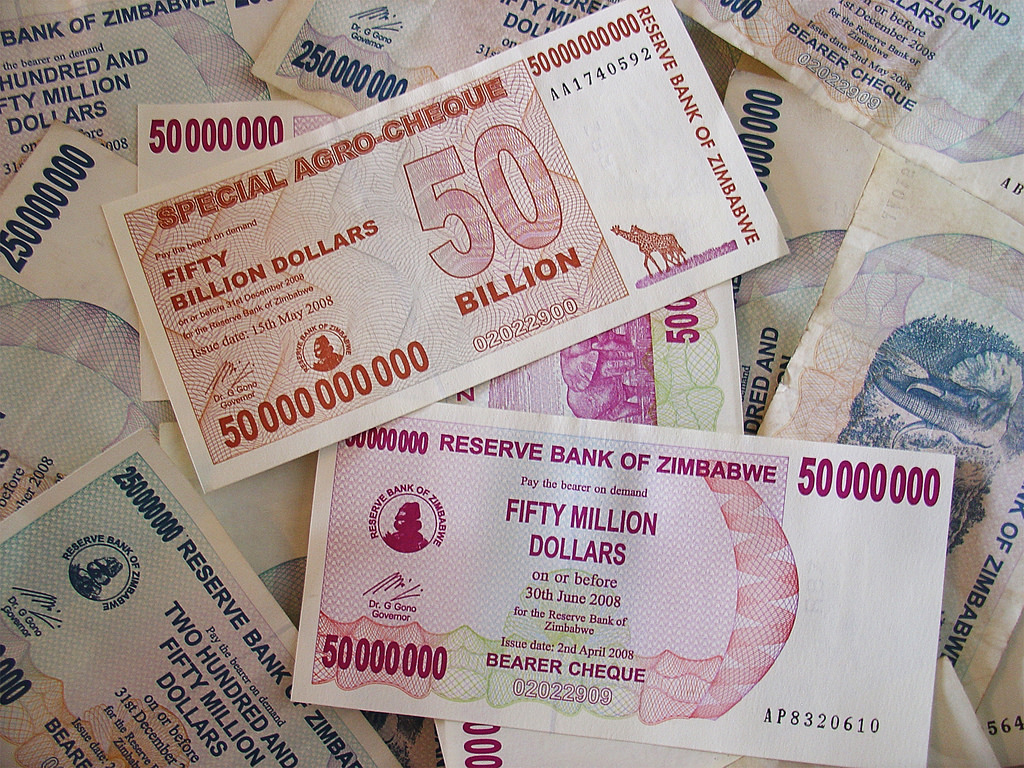
Zimbabwe, once considered the breadbasket of Africa, now lies in an economic flux. A new term, ‘Economic Trauma’, is proposed in this blog to draw attention to the societal impacts of historical, perpetuating, and contextual lines of trauma that influence the current situation.  


We use language like economic hardship, economic turmoil, or economic crises, but seldom if at all do we talk about Economic Trauma. We think of trauma in terms of confronting direct, physical acts and their consequences. We recognise emotional and mental trauma as being damaging to a person’s psyche. However, bubbling away in Zimbabwe for some time is something I’ve recently experienced a first-hand assault in – Economic Trauma.

Quite literally one morning we woke up and the money in our bank account was valued at less than a quarter of its worth compared to the day before. Wait … what? How does that happen? Well, it’s complicated and depends on many variables. Most of these the average citizen doesn’t understand, not because they’re uneducated, but because it’s complex and layered between propaganda, historical and cultural narratives, speculation, ineffective processes, and fear. A lot of fear. So aren’t we just talking about bad economics here? The short answer is no. And here’s why.

Back in the 2000s the Zimbabwean economy went through an almost total collapse. There have been attempts at reform since, and in recent years improvements have been made. But in September and October this year (2018), there was episodic hyperinflation again due to various reasons including short-sighted government decisions, unwavering national debt, a fluctuating import/export market and, again, fear. Even though the economy was still better than it had been in recent years, Zimbabwean citizens had a severe reaction to the situation. There was panic buying, queues at fuel stations, and general despair across the nation. The people were experiencing Economic Trauma … but what is this, and how does it affect the economy?

Trauma is a circumstance that brings about a feeling that your safety has been violated and your trust broken. It causes anxiety, shame, intense reactions when triggered, ambivalence about hope for the future, and a sense of vulnerability and lack of control. These feelings or outcomes are currently exhibited in most citizens in Zimbabwe relating to the economy and decision made about it.  The hysterical stocking up of basic commodities. The dread at the news of daily rates and inflation. The deep anticipation and apprehension of what the next day brings—will there be relief, or more relentless, disappointing news?

If this extent of hyperinflation hadn’t been seen for a few years, why are the people across the country experiencing such extreme reactions? Well, they’re reacting based on how they felt when facing the dire economics of 2008 or the banking crisis of 2015.

It is collective trauma, with endless parallels to other recognised traumas. We see a societal level symptomatology akin to Post-Traumatic Stress Disorder. A trauma that makes you personally invisible in the sea of economic trauma around you. It makes your strife and hardship inconsequential and, for the most part, ineffective. It de-identifies you in your own personal struggle because everyone is going through it, too. The ripple effects of economic trauma into one’s relationships, business interactions, community, and eventually one’s society are palpable. Yet we don’t see a human rights declaration that places value or weight on safeguarding individuals from the impacts of economic trauma (even though it’s manmade and therefore could and should be controllable.) Instead, we see headlines blaming the ‘economic migrant’ for searching for a better life. And, let’s be honest, wouldn’t you? It’s a much more passive and discrete way of stripping away a person’s dignity and self-determination. It allows for blame to be shifted and diluted away from the epicentre of where the trauma stems from and how it is perpetuated.

The Zimbabwe situation, like many other old colonies and young countries, is in its entirety a complex one. By no means can it be unpacked and understood in one blog post. But in an effort to understand what we see happening in front of us, and to unashamedly open a dialogue to facilitate healing within our societies, I offer up three simplified points as navigational milestones relating to this current economic trauma. Although written as separate points, they require interrelated projects:

  1. Historical lines of Economic Trauma:

Colonisation, tribal conflicts, historical disempowerment, and intergenerational trauma are all significant contributors to our current situation. There is an incredible need for different avenues of reconciliation and healing, inclusive of pathways into economic opportunities through structural reforms to rectify the loss experienced by the previous generations.

  1. Perpetuating lines of Economic Trauma:

Aid, investments, development funds, and international monetary systems are structured to advantage the western, corporate business model, or are used for political gain. They are in fact harming and taking advantage of our economy. What we need are mutually beneficial profit-sharing agreements, business and environmental accountability, and safeguarded local investment and development, inclusive of pan-African business, and social support structures to facilitate resilience.

  1. Contextual lines of Economic Trauma:

Understanding the factors that have and continue to contribute to our turbulent situation is critical. But at some stage we need to take control of our own healing. We can no longer blame everyone else for all our current issues. Current-day corruption, lack of accountability or transparency, and unmet basic human needs are prevalent. We cannot heal as a nation until we are all healed.

It’ll never be a quick and easy recovery, but it’s what is needed in Zimbabwe. Without it, our economy continues to suffer, and in turn, so do we. We cannot do one type of healing or recovery without the other. We cannot expect people to participate in reconciliation programs, anti-corruption programs and development programs when they are struggling economically. And we cannot expect the country to make a sustained economic recovery with unhealed trauma’s lurking. They are the two sides of the same coin that is Economic Trauma.


susanAbout the author:

Susan Wyatt is Zimbabwean born and raised. She is a Mental Health Occupational Therapist, with a Master’s degree in Anthropology and Development, specialising in Conflict and Development. Her expertise is in transcultural mental health, reconciliation, peace building and development practices. Susan is the director of Tana Consulting, which currently operates out of Harare, Zimbabwe.


Are you oversimplifying? Research dilemmas, honesty and epistemological reductionism by Rodrigo Mena

By Posted on 3467 views

During a recent field trip to South Sudan, a question haunted me: How can I tell the story of this place accurately without reducing in my research the lived experiences of people I engaged with? Epistemological reductionism can be a challenge for scholars, and this post explains that the reasons for epistemological reductionism are complex and contextual, moving beyond just a personal limitation of doing research.


Last year, I was in the northern part of South Sudan researching how small villages cope with drought amidst the armed conflict affecting the country. The villagers taught me how to select (and treat) the best leaves of trees to prepare soup. This ‘soup’ of leaves would be their only meal for the day. They told me their stories; they shared their water and experiences. I had been trying to learn as much as possible about the country, its history, and its reality.

However, a question followed me around: How can I tell the story of this place accurately, doing justice to people’s everyday experiences? How can I answer any research question adequately without oversimplifying a large and complex reality? Inspired by a post of Andrew Quilty, I reflect here on reductionism and oversimplification in academia.

Aware of my blind spots, language barriers, cultural and historical ignorance, and positionality, I realised that despite my best efforts and intentions, there will always be there an epistemological reductionism: The way of knowing a reality and presenting it to others (through papers, reports, blogs) will always suffer from a methodological attempt to reduce its complexity into simpler and smaller parts.

Beyond insiders and outsiders

This reductionism does not only apply to me as a foreign researcher or outsider, but also to local people, researchers, and journalists. Discussing this concern with an Afghan colleague and friend in Kabul, he reflected that he feels the same in his own country. We talked about how each person has a position, positionality, and angle, and that our jobs (and that of journalists, too) entail the need for reduction.

Multiple processes and moments guide the reduction process. Our research questions and data collection instruments do their part. Before them, the decision of what to research often aligns with the funds available and politics of what can be funded, by whom, and for what. Supervisors and research groups also play a relevant role trimming what will be researched, presented, and how. By the end of the process, journals and book editors also influence what is said and how it is said.

The idea is not to address this complexity in depth, but to argue that this epistemological reductionism is contextual and more complicated than just a personal limitation of doing research.

collecting leaves 2

Collecting leaves in South Sudan

How to do research considering this reductionism?

These reductionisms and limitations do not discredit the relevance and value of research, but invites more reflective, humble, and honest research. We need to be careful of which discourses we are reproducing and from where we get our stories. South Sudan or Afghanistan, two countries mentioned here, are beautiful countries, with people living their lives in a way as normal as possible, like in every other place. They are also facing crises and war, but we cannot reduce their realities only to these last facts.

We also need to be humble, but at the same time confident. What we know about these places is not nothing, neither everything. Our research needs to be as focused as possible—clear on our angle and what we can achieve. Our positionality needs to be acknowledged, as it will change over time.

Most importantly, we need to be honest. Sometimes the problem is not the ignorance of the epistemological reductionism, but the overcompensation of it by making our results more prominent or representative. The pressures to publish, to present results that fit with the theories and own ideas can also lead to not being honest. When we present results not totally aligned with our interviews, observations, sources, and sound analytical methods, we are harming by presenting to others a reality that is not—although always imperfect and limited—‘evidence-based’[1]. Our results might be used by policy makers, educators, and others, but by not being honest, any practice coming from it can be damaging. We need to be honest with our number of participants, research limitations, methods, analyses, and results. In other words, we need to be honest about what we can say, aware of the reductionism and the tendency to overcompensate for it. Interesting and necessary would also be a discussion over what are the structural forces in academia that make us dishonest sometimes.

This entails patience. Doing research in this way might mean having less comprehensive results; however, by being replicated or linked with other results, building a chain of “lesser results, we start to get to know places and processes better. Overcoming the epistemological reductionism mentioned here is not a matter of not facing it, but how we through doing research become aware of it and of the consequences of not doing so. What do you think? How do you work around these reductionisms?

[1] Relevant for another discussion is the question on what is evidence based, which evidence, for what, and from where. The recent case of fake articles being published in relevant journals to show flaws in the system can lead to a further and relevant discussion (see more at: https://www.theatlantic.com/ideas/archive/2018/10/new-sokal-hoax/572212/)


Rod

About the author:

Rodrigo (Rod) Mena is a socio-environmental researcher and PhD – AIO at the International Institute of Social Studies of the Erasmus University Rotterdam. His current research project focuses on disaster response and humanitarian aid governance in complex and high-intensity conflict-affected scenarios, being South Sudan, Afghanistan and Yemen his main cases. Experience conducting fieldwork and researching in conflict and disaster zones from in Africa, Latin America, Europe, Oceania and Asia.


Elections in the DRC: Compromises, surprises and the ‘game of gambling’ by Delphin Ntanyoma

By Posted on 3468 views

The results of the general elections recently held in the Democratic Republic of the Congo (DRC) after being delayed for two years show interesting developments. The opposition remained weak despite rallying together, and the Catholic Church came to play a pivotal role. This post explores the ‘gambling game’ through which these elections have been compromised by surprises. The far-fetched results of the presidential elections will unlikely contribute to the DRC’s long-term stability.


The recent elections held in the DRC were characterised by the high number of candidates running for vacant positions: 23 presidential candidates (of whom 21 finally contended for this position), and about 15,000 candidates vying for 500 seats in the national assembly. At the provincial level, more than 19,000 candidates competed for 780 seats.

But the debates and the media’s coverage of the elections that took place at the national and provincial levels  focused mostly on the presidential elections, as this is the center of Congolese politics and power struggles. Whoever controls this position will certainly have an upper hand. Based on the provisional results announced at the beginning of this year, Felix Tshisekedi Tshilombo, one of three contenders, has been declared the winner, beating Martin Fayulu Madidi and Emmanuel Ramazani Shadary, a candidate of the ruling coalition (Front Commun pour le Congo). The latter is widely described as the ‘dauphin’ of departing president Joseph Kabila.

Kabila’s departure

Many observers were surprised by Joseph Kabila’s decision not to run for a third term, even though the DRC’s Constitution does not allow for the extension of presidential rule beyond a second term. Many thought and predicted that Kabila would maneuver to extend his period of rule. Though he had not publicly announced this intent, he made many moves that hinted at attempts to contend again.

But in early November last year, nearly two years after Kabila’s second term ended in December 2016, he expressed willingness to cede power by nominating his ‘heir’, Ramazani Shadary. Few had predicted this scenario. Understanding this choice of Kabila of not running for the third term, one however cannot rule out the pressure and leverage of the international community but also that of regional organisations such as SADC and the African Union.

The persisting weakness of the opposition

While uncertainties were surfacing around elections, the Congolese opposition parties had been struggling to establish a strong scheme through which they could work together, with all of them rallying behind Fayulu as a united candidate. However, Felix Tshisekedi and Vital Kamerhe decided to break away from the agreement, opening a breach to a rift within these opposition political parties. As this withdrawal expressed once again weaknesses within the Congolese opposition, observers could predict a breach through which the ruling coalition could easily influence the electoral process, hence declaring their candidate as the winner.

Since the Peace agreement in DRC in 2002, there seems to be a bunch of surprises and compromises in Congolese politics. Nonetheless, the announcement of Felix Tshisekedi as the new president is seemingly the compromising ‘gambling game’ for the short-term future.

The Catholic Church as saving grace

The delayed electoral process was saved through the intense involvement of the Catholic Church in December 2016, when the elections were originally intended to take place. Via the Congo National Episcopal Conference (Conférence Episcopale Nationale du Congo: CENCO), the failure to organise elections had been ameliorated by reaching an agreement led by Catholic Bishops in Kinshasa. The Catholic Church managed to bring on board opposition parties that had dismissed previous consultations. Moreover, the agreement helped to set up an agreed electoral calendar and eased tensions. Though widely interpreted, the agreement advocated finding a compromise over ‘political prisoners’ and those under prosecution for likely politically oriented motives.

The Catholic Church is among the few institutions and organisations whose actions in the DRC are influential, with the Church wielding power countrywide. The Church is among the few providers of public services in a fragile state setting. It deployed approximately 40,000 observers during the recent elections. And being largely embedded in local communities, it has much leverage and influence to gather information from the polling vote.

Problems with the voting procedure

The voting procedure also reveals the struggle for true representation of the Congolese people. Since 2011, the general election would be won by achieving a simple majority instead of an absolute majority. Among the top three, the announced elected president won 7,051,013 votes (38.57%), while the second on the list, Martin Fayulu, obtained 6,366,732 votes (34.83%)—a difference of 1.7%. Moreover, the participation rate in this election has been estimated to be around 47.56%, meaning that 52.44% of the population did not vote. Winning this presidential election by such a small margin facilitates a discussion on how excluded territories could have been a ‘game changer’.

A ‘gambling game’

Remarkable about the Congolese elections is the role of the church. While the government blocked all international involvement and did not allow observers, the churches have been the binding factor that enabled the election and organised the observers. It shows the relative strength of civil society in the country that is characterised by a severely fragile state. Even though this has probably helped to avert large-scale violent conflict (at least until now), it has not resulted in an uncontested outcome. Instead, one could suspect that the announced results are a ‘gambling game’ that characterises the elite class in the DRC. In most cases, these types of ‘gambling games’ end up with elites making deals to access large shares of the pie to the detriment of its citizens. Notwithstanding all the challenges presented above, these developments could lead to more violence in the future.


Image Credit: MONUSCO Photos/R56A9909


e2bc395cd7699d2f9479bbce2c15304c

About the author:

Delphin Ntanyoma is a PhD Researcher in Conflict Economics at the ISS. On his blog www.easterncongotribune.com, he writes about developments in the Eastern DRC.


Bewitched, bothered and bewildered: a study of witchcraft accusation in Northern Ghana by Issah Wumbla

By Posted on 2810 views

Witchcraft accusation and consequent banishment that still persists globally can be viewed as a form of violence against women and children. While it is believed that women are accused of witchcraft mainly due to their socio-economic status, an intersectional analysis of witchcraft accusation in Northern Ghana shows that other factors also contribute.


Could you imagine justice depending on the posture of a dying chicken? Such is the case of determining who is a witch in the witch-finding shrine at Gambaga. In the court of the god (judge), both the accused and the accuser present a live chicken to be used for the ritualistic trial process by the priest. If the slaughtered chicken lies on its breast as it dies, then the accused is guilty. If the chicken lies on its back with wings spread upwards, then the accusation is false.  This is what a partial observer of the of the witch trial process at the Gambaga witch-trying shrine might think. Believe it or not, witchcraft accusation and consequent banishment persists globally and can be viewed as a form of violence against women and children. However, the means of identifying a witch can be ridiculous as the one explained above.

While it is believed that women are accused of witchcraft mainly because of their gender, an intersectional analysis of witchcraft accusation in Northern Ghana shows that other factors also contribute. Ongoing research on the phenomenon of witchcraft accusation and banishment of women suspected to be witches indicates that the interaction of multiple identity categories such as gender, socio-economic conditions, age, or institutional practices influences the process of witchcraft accusation and subsequent banishment.

The call for the achievement of gender equality and the empowerment of all women and girls, and the elimination of all forms of violence and harmful practices against women as stipulated by the Sustainable Development Goal 5 could not have come at a better time. At present, violence against women has assumed rather subtle forms, sometimes passing by unnoticed. Witchcraft branding and the banishment of alleged witches from their communities to seek refuge in witches’ camps, as is still practiced in Northern Ghana, is one such a subtle form of violence against women that requires the attention of scholars and policy-makers alike.

Understanding the phenomenon however, requires investigating it in a more nuanced and pragmatic manner than just considering it as old women’s issue that demands legal and or policy attention. An analysis of the way in which gender intersects with other statuses of power and how the daily struggles for dominion and control over socially valued resources between women and between women and men is vital. My resent research paper titled “Condemned without hearing”[1] provides an intersectional analysis of how gender interacts with age, and socio-economic conditions to contribute to the branding of some women as witches and the practice of banishment.

The research was conducted in the at the Gambaga Witches’ camp[2] and Gbangu in the East Mamprusi District of the Northern Region of Ghana. The study sought to find out how the social positioning of women contribute to discrimination against them in context of witchcraft accusation and exiling of suspected witches. Based on the objective, I did a mini survey on the socio-demographic characteristics of the inmates of the Gambaga witches’ camp and interviewed fifteen of them. The manager of the Presbyterian Go Home Project was a key informant. The interview questions were centered on their experience of accusation and the accusation process. The interviewees provided insights into the social values and structures that influence beliefs and practices in communities, as well as women’s own life experiences and strategies in coping with their situation. Fifteen people from the Gbangu community were also interviewed. Gbangu is a nearby community to Gambaga where the belief in witchcraft was common. These interviews and survey were conducted within a two month’s (mid-July to Mid-September 2017) field work.

Factors affecting witchcraft allegation

The findings are fascinating. Firstly, the study showed that gender is a major social category that influences witchcraft accusation. Women’s susceptibility to allegation is not due to their gender per se. However, their vulnerability emanates from the constructed roles and expectations of women and men. Some practices that are imbedded in some institutions locate some women in lower status of power, making them experience witchcraft allegation and its associated violence differently as compared to men and other women.

Secondly, socio-economic conditions of women contribute to witchcraft accusation. Both relative success in economic ventures and poverty make women the target of witchcraft accusation. The differences between the relative well-off women and the poor in relation to accusation is that those economically well off are also located in other social categories of higher status of power that work to their advantage amidst accusation whereas the poor women are usually located in other categories of low status of power making their experience of accusation and oppression different.

Thirdly, old age usually coupled with the status of widowhood and poor family backgrounds has proved crucial for the understanding of women’s vulnerability to witchcraft branding and exiling. Most of the women surveyed were widows and attested to being affiliated to and dependent on poor family members; as a result, they were defenseless when accused.

Fourthly, there are three levels of decision-making in witchcraft accusation within the accused community thus; at the family, the clan, and community chief’s level. Before reaching the witch finding shrine at Gambaga, leaders of at least one of these levels would have decided or been consulted. And at all these levels, the interactions of all the categories mentioned above influence the decision-making process. Having strong connections such as influential children, affiliation to royalty of good standing, being economically self-dependent as well as a lack of them influences the final decision regarding accusation. These apply to the process of accusation since it is related to the decision-making process.

Concluding remarks

Intersectionality and power relations (Foucauldian power/knowledge)[3] help in our understanding of how the locations of some women accused of witchcraft in multiple social categories (gender, socio-economic conditions, and old age) make their experiences of accusation different than others because the interactions of such multiple identities can mutually strengthen or weaken each other. The concepts also help in the making of meaning in the decision-making process and the process of accusation itself in witchcraft allegation.

Overall, gender, socio-economic conditions, and old age are key factors that influence accusation and related treatment. However, one of these categories or statuses of power considered in this research standing alone is inadequate to explain women’s susceptibility to witchcraft allegation and its related violence. Being placed differently in multiple statuses of power makes women´s experience of violence different from one individual to another. Depending on how many of these categories an accused person belongs to, a woman could be less vulnerable, more vulnerable, or not vulnerable at all. The interactions of gender with socio-economic conditions and age, and their embeddedness in institutions and structures in the accused original communities, influence the processes of accusation and decision making regarding suspected witches.

In general terms, I am convinced this can apply to other forms of violence against women. So, policies and programs aimed at curbing violence should consider the differences in women as starting point for analyzing such phenomena and how they should be addressed. Measures aimed at addressing violence against women might fall through the boundaries at the intersections of the various categories of power and gender related to the problem in context.

[1] Wumbla, I. (2018) ‘Condemned without Hearing: An Intersectional Analysis of the Practice of Branding, Banishing, and Camping of Alleged Witches in Northern Ghana’, ISS Working Paper Series/General Series 633(633): 1-51.

[2] Gambaga is the is the capital of the East Mamprusi District. The camp is in the middle of the town and serves as a refuge for accused witches who are banished from their communities.

[3] Sawiwki, J. (1986) ‘Foucault and Feminism: Toward a Politics of Difference’, Hypatia 1(2): 23-36.

Winker, G. and N. Degele (2011) ‘Intersectionality as Multi-Level Analysis: Dealing with Social Inequality’, European Journal of Women’s Studies 18(1): 51-66.


Image Credit: African Gender Institute/Groupuscule


About the author:

Wumbla Issah holds a Master of Arts in Development Studies-Human Rights, Gender and Conflict Studies: Social Justice Perspectives, a Bachelor of Arts in Social Work with Political Science from the University of Ghana and a Diploma in Basic Education from Gbewaa College of Education. He has has varied research interests in gender issues and development, Child rights, youth and development, educational policies, and social justice. He is a professional teacher and social worker with experience in Teaching, Community Development, and Human Rights Advocacy.

Development Dialogue 2018 | Who decides who gets social protection? by Maria Klara Kuss

Social protection interventions have recently been scaled up in sub-Saharan Africa. While international aid donors have invested much money, time and effort into the policy design phase, the real politics start to unfold during its implementation phase. This is when people experience who will receive benefits and who is excluded. What can the case of Zambia tell us about the political debates  on who ‘deserves’ social protection and who does not?


THE POLITICS OF IMPLEMENTING SOCIAL PROTECTION

In sub-Saharan Africa, the social protection agenda has been largely driven by international aid donors who have invested many resources into influencing the design and scale-up of these interventions. It is therefore not surprising that much evidence exists on the positive impacts of social protection interventions on a range of indicators (e.g. on poverty, health, and education). Moreover, recent research into the politics of social protection has shed light on the political drivers of the expansion of social protection in sub-Saharan Africa. Thus, much attention has been given to the policy design rather than the implementation phase.

This can however be particular misleading in in the area of social protection. This is because the deep politics – and thus the negotiations for social justice – unfold after its implementation. This is when it becomes more visible for the public who will and who will not receive those benefits (see Grindle & Thomas, 1991). This can be illustrated by the findings from my PhD research that analyses the politics of implementing social cash transfers (SCTs) in Zambia.

SOCIAL CASH TRANSFERS IN ZAMBIA – A RICH HISTORY IN TARGETING

In Zambia, around 54% of the population lives in poverty, and almost 41% in extreme poverty (CSO, 2015). Similar to other African countries, most of the country’s poor (77%) live in rural areas (CSO, 2015). To reduce poverty and eradicate the intergenerational transmission of poverty (see MCDMCH, 2012), international aid donors have supported the Government of Zambia in initiating different SCT schemes. Since 2003, in total four small-scale SCT schemes were piloted – each targeting different groups of poor people (e.g. children, female-headed households, old people, and people with disabilities or chronic diseases). These schemes were strongly driven by Zambia’s aid donors while the Government of Zambia has long remained reluctant in taking the schemes beyond its pilot phase.

Finally in 2014, the Government of Zambia took the vital decision to introduce a single nation-wide SCT scheme. The commitment to implement a single SCT scheme meant that the Zambian Government took a vital decision about whom they considered most deserving of receiving support in form of SCTs. The proposed targeting approach of the new scheme included a range of household compositions such as households with old people, people with disabilities, as well as households with young women caring for children. Given the variety of households included, the new SCT scheme was named ‘the Inclusive Scheme’.

THE TRANSFORMATIVE IMPLICATIONS OF ZAMBIA’S ‘INCLUSIVE SCHEME’

The targeting approach together with the formal policy objective of the ‘Inclusive Scheme’ signalled a potentially transformative change of Zambia’s welfare regime with its underpinning values of social justice. This was because it included young women and their children who previously did not receive any benefits. My research findings however indicate that the Inclusive Scheme did not result in a transformation, but rather in the continuation of Zambia’s political settlement with its values of social justice.

Only shortly after the implementation of the scheme in local communities, strong local opposition emerged because as it became clearer who would and would not benefit from the Inclusive Scheme. A series of debates about the deservingness of young women and their children followed. But instead of transforming the perceptions of powerholders about their deservingness, the powerful local resistance resulted in a drastic change of the targeting approach of the Inclusive Scheme. This fundamentally changed the values of social justice that underpinned the scheme.

THE DEEP POLITICS OF SOCIAL PROTECTION

In order to understand the deep politics of social protection, it is therefore crucial to pay attention to the implementation phase. This is not a phase where decisions are carried out in a bureaucratic manner, but where political reactions are likely to occur since the implications of the policy design become apparent. People will understand who will be included and who will be excluded from receiving social protection benefits. If these policy ideas are competing with people’s perceptions of social justice, local opposition is likely to emerge. This can pose a threat to the sustainability of the initial policy design with its underpinning values of social justice and thus compromise the investments made during the design phase.


­­­­­Disclaimer:

This blog article builds on the findings of PhD research by Maria Klara Kuss which analyses the negotiations of Zambia’s welfare regime and is based at the United Nations University MERIT’s Graduate School of Governance at Maastricht University in the Netherlands. For more information see: Kuss, M. K. (forthcoming). After the scale-up: the political drivers of sustaining social protection in Zambia. GIZ policy brief. Eschborn: GIZ.


References:
CSO (2015). 2015 Living Conditions Monitoring Survey Report. Lusaka: Central Statistical Office.
Grindle, M., & Thomas, J. (1991). Public choices and policy change. Baltimore: The Johns Hopkins University Press.
MCDMCH (2012). Harmonised Manual of Operations. Social Cash Transfer Scheme. Lusaka: Ministry of Community Development, Mother and Child Health.

This blog article is part of a series related to the Development Dialogue 2018 Conference that was recently held at the ISS. Other articles forming part of the series can be read here,  here , here, here and here.


About the author:

PhotoMKussMaria Klara Kuss is a PhD fellow in Public Policy and Policy Analysis at the United Nations University MERIT’s Graduate School of Governance – supervised by Allister J McGregor (Sheffield), Mark Bevir (UC Berkeley), and Franziska Gassmann (Maastricht). She is also affiliated to the African Studies Centre at Leiden University (ASCL). Her PhD research is interdisciplinary in nature and draws on anthropological and sociological approaches to public policy analysis. It analyses the de facto negotiations of Zambia’s welfare regime with a focus on the transformative impacts of social cash transfers.

Development Dialogue 2018 | Pan-African diasporas in the Brussels bubble: new actors, new business? by Valentina Brogna

Pan-African diasporic networks are emerging in Europe as new lobbying actors within EU-Africa relations under the prism of development cooperation. Who are they, and can they influence EU development policy? This article shows that pan-African diasporic networks as new actors within (or without) EU-Africa relations try to propose different narratives on the African continent, advancing the cause of African-led development.


EU-Africa relations are tightly linked to development cooperation. Civil society tries to influence development policies, gathering around International Non-Governmental Development Organisations (INGDOs). Recently, pan-African diasporic networks have been created with apparently similar purposes, gaining visibility in the same EU political instances, but also African (AU, ACP Group) and international ones.

Many questions relate to the rising of pan-African diasporic networks in Europe, including on development theory (which paradigm(s)?), EU lobbying (which advocacy strategies? why lobbying the EU?), social movement studies (do pan-African diasporic networks and INGDOs ignore, clash, co-opt one another?), and African and diaspora studies (how do pan-African diasporic networks evaluate their representativeness as the sixth African Region?). With these questions in mind, I enucleate the ‘diaspora’ concept and sketch features of some pan-African Diasporic Networks active at European level.

CONCEPTUALISING PAN-AFRICAN DIASPORIC NETWORKS

I consider African ‘diaspora(s)’ inasmuch as networks and organisations that take ownership of this term, a “category of mobilization” (Kleist 2008, cited in Sinatti and Horst 2015), with the aim to unify what seems disperse, thus strengthening their agency vis-à-vis political institutions. Definitions of ‘diaspora’ in scientific literature stress ideas of dispersion (of people in distant places, normally abroad), relation-keeping (with the hailing country) (Van Hier, Pieke, Vertovec 2004, cited in Norglo et al. 2016), transnationality (Clifford 1994, cited in Norglo et al. 2016, Sökefeld 2006) and imagined community (Sökefeld 2006, Anderson 1983).

Institutional legitimation to African diasporas’ engagement in different fora is given by the AU definition: “Peoples of African origin living outside the continent, irrespective of their citizenship and nationality and who are willing to contribute to the development of the continent and the building of the African Union” (AU 2005, point VIII, 18). By finding themselves in between social places, African diasporas could have a comparative advantage vis-à-vis traditionally conceived INGDOs (Brinkerhoff 2011). African diaspora representatives at EU level are today advancing the cause of African diasporas’ formal recognition in development cooperation (Bora, pers. comm.; Global Diaspora Week 2018).

Pan-African diasporic networks regroup people from different African countries. They operate at national and international level with purposes of inclusion and anti-racism in the societies of residence and betterment of living conditions in the countries of origin. Which visions of development do pan-African diasporic networks concretely strategise to put in practice? When lobbying at EU level, they tend to officially espouse the Sustainable Development framework (UN 2015), probably as the contrary would imply working outside political institutions tout-court, renouncing to any attempt of influence (Ebony, pers. comm.).

Many of these networks are Brussels-based. The EU capital also gathers the AU Permanent Mission to the EU, the ACP Group Secretariat: multi-institutional strategies can thus be considered here. Among these networks, created since 2011, we find the African Diaspora Youth Network in Europe (ADYNE – 2011), the Africa-Europe Diaspora Development Platform (ADEPT – 2013), the A.C.P. Young Professionals Network (ACP YPN – 2014), the African Diaspora Youth Forum in Europe (ADYFE – 2014), the African Diaspora Network in Europe (ADNE – 2015), and the Afro-European Diaspora Platform (AED – 2015). The European Year on Development might have had a triggering effect.

ADNE operates through lobbying events with EU institutions. They have individual and organisational membership, a diverse expertise (both thematically and geographically), an enabling social capital (ex: professional connections to the EP, the ACP Secretariat, DG DEVCO). ADEPT, created within the Joint Africa-Europe Strategy, has organisational membership and aims to become the umbrella organisation of African diasporas. ACP YPN, now a member of ADEPT, works to influence EU, AU and the ACP Group with regards to youth empowerment in the implementation of the Cotonou agreement, currently being renegotiated; its membership is individual only, but its members are highly proactive. Competition among these organisations is probable; lack of unity is often deplored and calls for better cooperation are made, without (for the moment) leading to concrete results (Global Diaspora Week 2018).

Other pan-African diasporic networks define themselves as clearly pan-Africanist (Boukari-Yabara 2014) and follow the African Renaissance ideal (Diop  1948; do-Nascimento 2008), detached from the mainstream development paradigm and classic EU-Africa relations: the International Movement for the Renaissance of a Unified Africa (MIRAU), the Pan-African League Umoja (LP-U), and its Belgian branch Renaissance Africaine. They operate for the development of African countries by Africans themselves (including African diasporas), persuaded that EU-Africa relations are not a priority in the quest for a genuine ‘rebirth’ of the continent.

To conclude, pan-African diasporic networks as new actors within (or without) EU-Africa relations try to propose different narratives on the African continent, debunking some development cooperation myths, advancing the cause of African-led development, in cooperation with external actors like the EU or autonomously.


References:
ACP YPN, n. d. http://www.acpypn.com, accessed 25/07/2017
ADEPT, n. d., http://www.adept-platform.org/about-us/ accessed 25/07/2017
AED, n. d. https://diasporafroeuropeenne.org/presentation-2/ accessed 18/08/2018
ADNE. n.d. http://www.africandiasporanetwork.eu/en/aboutus.html Accessed 05/05/2018
ADYFE, n. d. www.adyfe.eu, accessed 15/08/2018
African Union. 2005. ‘Report of the Meeting of Experts on the Definition of the African Diaspora’, 11 – 12 April 2005, Addis Ababa. http://www.dirco.gov.za/diaspora/definition.html. Accessed 04/05/2018
Anderson, B. 1983. Imagined communities: reflections on the origin and spread of nationalism, London: Verso.
Boukari-Yabara, A. 2014. Africa Unite. Une histoire du Panafricanisme, Paris : La Découverte
Brinkerhoff, J. M. 2011. ‘David and Goliath: Diaspora organizations as partners in the development industry’ In Public Administration and Development 31: 37-49 10.1002/pad.587
Diop, Ch. A. 1948. “Quand pourra-t-on parler d’une renaissance africaine?” In Le musée vivant, N. spécial 36-37, 57-65. Paris : ADAM
do-Nascimento, A. J. (ed.) 2008. La renaissance africaine comme alternative au développement. Les termes du choix politique en Afrique. Paris: L’Harmattan
L.P.-U n. d., http://lp-umoja.com/lpu/onepage/ accessed 12/12/2017
MIRAU n.d., http://www.mirau.org accessed 10/02/2018
Norglo, B. E. K., Goris, M., Lie, R., and Ong’ayo, A. O. 2016. ‘The African Diaspora’s Public Participation in Policy-Making Concerning Africa’. In Diaspora Studies 9(2): 83–99
Renaissance Africaine asbl, n. d., https://www.linkedin.com/company/raasbl/ accessed 13/08/2018
Sinatti, G. and Cindy Horst. 2015. ‘Migrants as agents of development: Diaspora engagement discourse and practice in Europe’ In Ethnicities 15(1): 134-152
Sökefeld, M. 2006. ‘Mobilizing in Transnational Space: A Social Movement Approach to the Formation of Diaspora’ In Global Networks 6 (3): 265–84
UN A/RES/70/1 Transforming our world: the 2030 Agenda for Sustainable Development https://sustainabledevelopment.un.org/post2015/transformingourworld accessed 05/03/2017
Interviews:
Bora, ACP Young Professionals Network, Advocacy and Parliamentary Relations Officer, 18 October 2017
Ebony, ACP Young Professionals Network, Policy advisor, 30 January 2018
Observed meetings:
22/05/2017, Conference The impact of Communications on EU’s Policies on Africa, organised by Africa Communications Week; EU DG DEVCO, Brussels
23/05/2017, Conference Changing African Narratives through Diaspora Initiatives, organised by Africa Communications Week; AU Permanent Mission to the EU, Brussels
27/09/2017, Conference Africa at a Crossroads: Youth Political Mobilisation, Freedom of Association and Peaceful Assembly, organised by the Foundation for European Progressive Studies (FEPS) and SOLIDAR as part of the S&D Group Africa Week 2017; FEPS, Brussels
21/03/2018, Cercle Kilimandjaro de l’Université Saint-Louis – Bruxelles (USL-B), Conference L’impératif panafricain: penser la repolitisation, with the participation by Dr. A. Boukari-Yabara, LP-U Secretary General ; USL-B, Brussels
05/10/2018, Global Diaspora Week 2018 Opening Ceremony Digital Diaspora. Boosting the Digital Agenda and Innovation for Development, organised by ADNE; European Parliament, Brussels

This blog article is part of a series related to the Development Dialogue 2018 Conference that was recently held at the ISS. Other articles forming part of the series can be read here,  here , here, and here.


Valentina photo

About the author:

Valentina Brogna is a PhD researcher under FSR grant at the Research Centre in Political Science (CReSPo), Université Saint-Louis – Bruxelles. Her research focuses on the participation of pan-African diasporic networks and INGDOs within EU-Africa relations, mainly in the Post-Cotonou negotiations.

Development Dialogue 2018 | Social cash transfers: the risk of Malawi’s donor dependence by Roeland Hemsteede

Social cash transfers are becoming more popular, especially in regions such as sub-Saharan Africa. But what happens when the government does not support these programmes? Roeland Hemsteede shows that in Malawi, the dependence on donor funding and lack of government buy-in pose a risk to hundreds of thousands of people whose livelihoods depend on these transfers.


Direct cash transfers to the poor and vulnerable are rapidly gaining popularity around the world, reaching 750 million to 1 billion people, including many in sub-Saharan Africa. They typically aim to improve the welfare of beneficiaries as well as to increase their investment in human capital (Arnold, Conway, & Greenslade, 2011).

Malawi’s Social Cash Transfer Programme (SCTP) targets the ultra-poor and labour constrained and reaches 10% of the population. Currently, it reaches 276,063 beneficiary households with a total of 1,159,691 members. While national leadership is seen as essential to development processes, the SCTP bears all signs of being donor-driven, with limited buy-in from Malawi’s political elites. This jeopardises the long-term future of the SCTP. This blog explores some of the causes and consequences of this limited buy-in.

SUPPORTING MALAWI´S SOCIAL CASH TRANSFER PROGRAMME

The funding landscape for the SCTP is highly fragmented (Hemsteede, 2017). Donors fund the transfers in 27 out of Malawi’s 28 districts, while the Government of Malawi (GoM) funds the remaining district. This GoM funding is the result of one donor requiring 10% counterpart funding, yet its provision has been irregular. Several other development partners provide technical assistance to the two GoM ministries that are involved.

WHY THE DEVELOPMENT COMMUNITY LIKES THE SCTP

The development community sees the SCTP as the ‘golden boy’ of social protection in Malawi. It is generally well run and the impact evaluations are positive (Handa, Mvula, Angeles, Tsoka, & Barrington, 2016). The GoM realises that donors like the programme, which contributes to its reluctance to finance it; after all, many programmes that donors are less interested in also need funding. Meanwhile, the donors are happy to retain strong (financial) control over the cash transfer, not least because of the ‘cash gate’ scandal.

‘Cash gate’, a large corruption scandal uncovered in 2013, strongly damaged donors’ confidence in Malawi’s public finance management. As a result, many donors felt that providing direct budget support was no longer acceptable, but project support was still an option. The SCTP was such a project, as much of its finances are managed by an independent consultancy firm that is hired by one of the donors. Moreover, the idea that the money directly went to beneficiaries appealed to donors. As a result, funding for the SCTP increased, but the system operates almost completely in parallel to the government’s own systems.

PERCEPTION OF POLITICS

Politicians in Malawi, who ultimately control budget allocations, are less enthusiastic. In my interviews with them, they frequently voiced the opinion that money should rather go to the ‘productive poor’ and that cash transfers were not a good solution—an opinion also held by others (Hamer & Seekings, 2017; Kalebe-Nyamongo & Marquette, 2014).

Members of Parliament also often criticised the SCTP’s implementation, arguing that as representatives of the people, they should have a role in the targeting of beneficiaries, and that it bypassed government’s systems, making it hard for them to maintain oversight. All this contributes to a situation whereby some politicians feel that they don’t own the SCTP and that it is a ‘donors’ thing’.

THE IMPORTANCE OF NATIONAL OWNERSHIP

My data point to at least three major reasons why national ownership of the SCTP should be important.

  • It is essential to ensure the sustainability of the cash transfers.
  • Leadership is essential for domestic and international resource mobilisation.
  • As part of Sustainable Development Goal 17, the Paris Declaration, and the Accra Agenda for Action, governments should lead their development priorities.

In the case of the SCTP, however, the development community drives the programme by controlling the funding and technical knowledge. The two involved ministries: the Ministry of Gender, Children Disability and Social Welfare, and parts of the Ministry of Finance, Economic Planning and Development, appear strongly committed to the programme, but their hands are tied by the lack of resources.

CONCLUSION

The SCTP resulted from a strong push by development partners, who funded its creation and expansion. They strongly influenced its design and the decision to create parallel structures for managing the SCTP. Malawi’s political establishment meanwhile feels little ownership over the programme. Without this sense of ownership, they are unlikely to ensure the sustainability of the SCTP. This poses a risk to the hundreds of thousands of people whose livelihoods depend on the SCTP if donors reduce their funding in the future.


References
Arnold, C., Conway, T., & Greenslade, M. (2011). DFID Cash Transfers Evidence Paper. Policy Division Papers.
Hamer, S., & Seekings, J. (2017). Social protection, electoral competition, and political branding in Malawi (No. WIDER Working Paper 99/2017).
Handa, S., Mvula, P., Angeles, G., Tsoka, M., & Barrington, C. (2016). Malawi Social Cash Transfer Programme Endline Impact Evaluation Report. Chapel Hill.
Kalebe-Nyamongo, C., & Marquette, H. (2014). Elite Attitudes Towards Cash Transfers and the Poor in Malawi. Research Paper 30. Retrieved from http://publications.dlprog.org/EliteAttitudesCTs.pdf

This blog article is part of a series related to the Development Dialogue 2018 Conference that was recently held at the ISS. Other articles forming part of the series can be read here and here.


About the author:

Profile RoelandRoeland Hemsteede is a PhD student at the University of Dundee in Scotland, United Kingdom. In his research he explores how power relations at the national and international level affect the design and implementation of cash transfer programmes in Malawi and Lesotho. Previous blogs on this subject have been published on SocialProtection.org and can be found at http://socialprotection.org/learn/blog/authors/author/1338/latest-posts. Roeland obtained his Master degree (by Research) in African Studies from Leiden University in 2013 and took several extra-curricular courses focussing on the political economy of development at the International Institute of Social Studies in The Hague in 2012/13.


Development Dialogue 2018 | Blue Economy: A New Frontier of an African Renaissance? by Johan Spamer

The African Union recently proclaimed that the ‘Blue Economy’, as the ocean economy is increasingly known, could become the ‘New Frontier of an African Renaissance’. The Blue Economy promises sustainable development through its focus on socio-economic inclusion and the protection of the maritime environment, but is it really all it promises to be? With the first global conference on the sustainable development of the blue economy taking place in two weeks, this article takes a closer look at what the Blue Economy is about.  


It was as late as 2012 that the Blue Economy was officially recognised at the Third International Conference on Sustainable Development in Rio de Janeiro (Rio+20). In the absence of a universal definition, Verma (2018) argues that the Blue Economy can be regarded as the integration of ocean economy with the principles of social inclusion, environmental sustainability, and innovative, dynamic business models (p.103). As such, the Blue Economy offers a new and alternative sustainability approach that goes beyond simply harmonising activities in an ecologically friendly manner. It’s a notion that grew out of the Green Economy (Claudio, 2013), but with different policies and frameworks, offering its own characteristics and domain for countries whose futures are based on maritime resources. Africa is calling the Blue Economy narrative the frontline of the continent’s rebirth, but what is this new notion, and how is it different from other blue-infused (e.g. Europe’s blue growth) drives?

AFRICA’S NEW (BLUE) DEVELOPMENT INITIATIVE

The paths followed by leading African countries (e.g. Seychelles, Mauritius, Kenya and South Africa) in establishing Blue Economy frameworks are important, and so is the manner in which these countries go about it by establishing dedicated departments for implementation. The Blue Economy per definition offers an opportunity to prevent the vulnerable, often also marginalised populations, from missing out on socio-economic opportunities in the maritime sector. Furthermore, these beneficiaries can now obtain a fair share of the public good, claim their voices on an equal footing, and can attain a secured sense of dignity through unlocking wealth opportunities.

At least, this is the picture painted by African legislators. However, we are still lacking sufficient empirical data and scientific research to substantiate these foreseen outcomes. Critique against or endorsements of the African Blue Economy are both reference to ad hoc cases and by making broad conclusions in the absence of rigourous in-depth case analyses. Furthermore, the scope of the Blue Economy within the African context includes lakes, rivers, dams, and underground water. It goes beyond the traditional coastal and ocean-based economies with landlocked countries also included in the regional strategies (UNECA, 2016). This makes generalisation and case comparisons with non-African Blue Economy countries complex.

Central to this approach, and within the context of people-orientated sustainability (Attri and Bohler-Muller, 2018), is the principle of social justice through fairness (equity) and inclusivity. The aforesaid echoes strongly with the SDGs’ sentiment (see SDG 14) to ensure long-term sustainability by:

  • Enhancing and leveraging newly received benefits from the ocean environments to the benefit of all (inclusivity) through activities such as bioprospecting, allocated fishing quotas or rights, oil and mineral extraction agreements;
  • Fostering national equality (parity which includes gender equity), allowing for inclusive growth associated with decent employment for all; and
  • Having strong international governance structures and measurements in place to specifically guide the developing country regimes for nearby seabed development. This relates to the management of their rights and interests to be properly sanctioned in the expansion of their national waters beyond the current state dominion.

Keen et al. (2018) provide a useful overview of the Blue Economy. As expected, the three main sustainable components (economic, social alias community and ecosystem) underpin the core Blue Economy aspects. These components are complemented by enabling institutional arrangements as well as technological capacity, reflecting the linkages within such a multi-scalar model. The three predominant concepts that are important to oversee this sustainable development framework are: a) agency, b) power, and c) politics.

As such, we can contextualise and link these concepts within the domain of development studies in the following manner (although not limited to): the need for agency through institutional platforms (e.g. multi-stakeholder initiatives), power relations (e.g. gender), influencing the political economy (e.g. the role of the developmental state), political ecology (e.g. ecosystem resilience), and the role of technology (e.g. innovation).

Notable is the acknowledgement of the importance of diversity (cultural values) and gender equity. The Indian Ocean Rim Association’s (IORA) Declaration on Gender Equality and Women’s Economic Empowerment, adopted at the 16th Council of Ministers Meeting in 2016 (Bali, Indonesia), affirmed the overall commitment towards the promotion of women’s rights (Verma, 2018). The success of the Blue Economy as an exemplar for promoting inclusiveness and equity depends on how different vulnerable groups such as marginalised women, skill-deficient persons, and poor communities are incorporated. At a theoretical level, the Blue Economy is portrayed as an evolutionary concept over the long term. The benefits are foreseen to mainly depend on the theories still to be developed by the scholarly activity in this research domain (Attri, 2018).

THE BLUE CANVAS: PAINTING THE FUTURE

The Blue Economy as a sustainable development framework explains how social justice and equality can be addressed on different levels, especially for the most vulnerable. Partnerships, capacity building, infrastructure development and country-level frameworks are very important in the process of opening up new markets and allowing for greater access in a sustainable way. Barbesgaard (2018) challenges this view, labelling ‘blue growth’ as ocean grabbing. This view is supported by Brent et al. (2018), who highlight contradictions within the blue economy’s ethos and question the promise of an inclusive three-fold win on a socio-economic-ecological level.  Still, this is what Africa seems to be calling for (at least the African Union), and the Blue Economy is seen as the vessel to cross to new (socially just) opportunities by keeping a balance between factors; more growth but with less unsustainable practices.

Kenya will be hosting the first global Sustainable Blue Economy Conference from 26-28 November 2018 in Nairobi.  All are invited, with special arrangements to welcome the marginalised and often excluded parties (e.g. poor communities and small-scale fishers). However, the question remains: will all have equal voices and approve the agenda? See http://www.blueeconomyconference.go.ke/ for more details.


References
Attri, V.N. (2018). The Blue Economy and the Theory of Paradigm Shifts. In Attri, V.N. and Bohler-Muller, N. (Eds). (2018). The Blue Economy Handbook of the Indian Ocean Region. (pp. 15 – 37).  Africa Institute of South Africa.
Attri, V.N. and Bohler-Muller, N. (2018). The Beginning of the Journey. In Attri, V.N. and Bohler-Muller, N. (Eds.). (2018). The Blue Economy Handbook of the Indian Ocean Region. (pp. 1 – 12). Africa Institute of South Africa.
African Union (2012). 2050 Africa’s integrated maritime strategy, version 1.0. African Union.
Barbesgaard, M. (2018). Blue growth: saviour or ocean grabbing? The Journal of Peasant Studies, 45 (1) 130 – 149.
Brent, Z.W., Barbesgaard, M. and Pedersen, C. (2018). The Blue Fix: Unmasking the politics behind the promise of blue growth. Transnational Institute.
Claudio, C. (2013). From Green to Blue Economy. Philippines Daily Enquirer 23 June 2013. Available at: http://business.inquirer.net/128587/from-green-to-blue-economy [Accessed 23 Augustus 2018].
Keen, M.R., Schwarz A-M and Wini-Simeon. Towards defining the Blue Economy: Practical lessons from Pacific Ocean governance. Marine policy, 88 (2018), 333-341.
UNCTAD. (2014). The Oceans Economy: Opportunities and Challenges for Small Island Developing States. United Nations Publications.
Verma, N. (2018). Integrating a Gender Perspective into the Blue Economy. In Attri, V.N. and Bohler-Muller, N. (Eds.). (2018). The Blue Economy Handbook of the Indian Ocean Region. (pp. 98 – 124). Africa Institute of South Africa.
UNECA. (2016). Africa’s Blue Economy: A Policy Handbook. Economic Commission for Africa.

This blog article is part of a series related to the Development Dialogue 2018 Conference that was recently held at the ISS.


JS Photo #1

About the author:

Johan Spamer is a researcher at ISS in the domain of multi-stakeholders initiatives (MSIs), inclusive development and innovation, specifically within the Blue Economy.

Enacting transitional justice in Colombia and South Africa by Fabio Andres Diaz Pabon

By Posted on 1661 views

Debates on the provision of justice in countries transitioning from armed violence to peace often fail to reflect on how the objective of justice must be linked with its practice. A recently published volume explores this through reflecting on the challenges facing the implementation of the transitional justice framework established in the recently signed peace agreements in Colombia.


Considering the practice of development and justice is as important as reflecting on what development is and what its relation is to justice. However, when we write about justice and development, we often assert what should be done, leaving aside questions on how to do it. This is commonly the case with initiatives related to the implementation of peace agreements, and in particular transitional justice frameworks. Justice and development are intertwined concepts, as discussed by Sen and De Greiff.

“Transitional justice” initiatives form a central part of the transition processes designed to move countries away from war and violence (recall that around 60% of armed conflicts relapse in under five years following a peace agreement). However, debates remain regarding what kind of justice should be sought through these processes: restorative (a system of justice that aims to heal and restore social relations within communities) or retributive (a system of justice based on the punishment of offenders), and whether local or national justice initiatives work better. Initiatives for justice and transitional justice face the challenge of bringing about development in different contexts and of integrating different, even competing, stories. This must be achieved in the face of the risk of overgeneralisation regarding what works and what does not work.

The truth is that we still lack an understanding of what really works in bringing about justice; we have opinions and beliefs on what form of justice is better, but no assessment of this has been done on a long-term basis across territories in transitional contexts—at most we have evidence specific to particular contexts in bounded time frames. However justice and development are endeavours that extend over long time periods. In addition, we must recognise that the study and practice of transitional justice is a fairly recent field; the evidence on what works or does not work is not as clear as we would like.

South Africa’s Truth and Reconciliation Commission—all talk and no action?

The South African case, and especially its Truth and Reconciliation Commission, lauded in the 1990s and early 2000s as a mechanism of transition able to bring justice to victims of atrocities and human rights abuses and to advance reconciliation, is illuminating. The case clearly illustrates the interlinkages between justice and development: marginalised black South Africans were promised empowerment, emancipation and development as an outcome of the transition away from the Apartheid regime, and this was understood as necessary to reconcile the country. However, over time the “ideal” nature of the South African Transitional Justice framework has been critiqued, and gaps in the implementation of the promises of the transition embraced by South Africa have emerged, raising questions regarding failures to realise the vision of justice the country pursued.

From this, it is clear that it is not only important to reflect on what justice is and how it is envisioned, but also on how visions of justice should be implemented. An ideal framework for justice that cannot be materialised is a mirage that erodes the legitimacy of institutions and may create or exacerbate grievances that fuel further conflicts and affect the legitimacy of the state. South Africa did not only face challenges in arriving at its vision of justice; it faced challenges in translating this particular view of justice into practice.

Colombia’s transition: facing similar problems

The transitional justice framework and the promise of justice espoused in general the peace agreements between the Colombian government and the FARC-EP illustrates the complexities of and contestations involved in determining a shared vision of justice, as well as the critical importance of the need to reflect on the challenges of how to affect this justice. Peace agreements are mere pieces of paper—they need to be enacted and realised in order to for countries to achieve peace.

Practitioners, bureaucrats and academics wanting to understand and effectively respond to the implementation challenges of development and justice work must engage the link between theory and practice and focus explicitly on practice. In the case the transitional justice components of the peace agreements in Colombia, this requires consideration of multiple elements. Academics and practitioners in Colombia and elsewhere in the global South have attempted such an exercise over the last two years—captured in the recent publication “Truth, Justice and Reconciliation in Colombia– Transitioning from Violence.

The volume considers how the context of Colombia conditions the possibility of the justice agreements being implemented and the practical implications and requirements of the concepts of justice mobilised in the agreements. The text engages with the challenges ahead for the implementation of the transitional justice agreements, particularly in relation to rural reform, reincorporation and reconciliation, historical memory and symbolic reparation, as well as feminist and intergenerational approaches to justice and reconciliation. The volume also brings together lessons applicable to Colombia from other countries’ experiences with transitional justice—notably from South Africa, Sri Lanka, Peru and Bosnia and Herzegovina.

This kind of analysis will always face the constant tension between theory—the legislative frameworks guaranteeing human rights—and practice—the realisation of these ideas—in complex settings in which generalisations are difficult, evidence is limited, and information is limited. This is the challenging space in which Transitional Justice frameworks will succeed or fail in bringing about development in Colombia, South Africa, and elsewhere.


Picture credit: Camilo Rueda López


UntitledAbout the author: 

Fabio Andres Diaz Pabon is a Colombian political scientist. He is a research associate at the Department of Political and International Studies at Rhodes University in South Africa and a researcher at the ISS. Fabio works at the intersection between theory and practice, and his research interests are related to state strength, civil war, conflict and protests in the midst of globalisation.

Children as experts: rethinking how we produce knowledge by Kristen Cheney

Most research on adolescent sexual and reproductive health and rights is adult-led and adult-centred, not only ignoring young voices but denying diversity amongst young people. But a new project co-led by Kristen Cheney of the ISS departs from the premise that young people are the experts of their own lives, giving children and adolescents the chance co-create knowledge. In this article, Cheney details the importance of youth-led participatory research and how this is done through the new project.


It is often assumed that social research is the domain of experts—and that those experts are necessarily adults. Most research on adolescent sexual and reproductive health and rights (ASRHR) is adult-led and adult-centred, not only ignoring young voices but denying diversity amongst young people. Information about young people’s sexuality therefore often remains insulated within their peer groups, preventing innovation in ASRHR programming. This too often leads to a deficit or pathological perspective on adolescence in ASRHR research and intervention.

ISS departs from this premise in our latest youth participatory research project, Adolescents’ Perceptions of Healthy Relationships. The APHR project is funded by the Oak Foundation, with the objective to inform their child abuse prevention programming through greater attention to the broader societal, structural factors that provide an enabling environment for the sexual abuse and exploitation of children. The project is led by ISS’ Kristen Cheney and involves Auma Okwany as East Africa lead researcher.

Instead of embracing prevalent adult-imposed models of adolescence, the APHR project departs from the premise that young people are the experts on their own lives. Indeed, we believe that young people are essential co-creators of knowledge, best suited to conduct research on their own thoughts and experiences. They have the best access to their peer groups where vital information is often kept locked away from adults’ gazes. So whenever possible, we conduct youth-led, participatory research. This way, young people become not mere objects of research but co-producers of knowledge about young people’s lives through greater disclosure of more authentic viewpoints.

Conducting research in Oak’s two main project areas, East Africa and Eastern Europe, ISS leads an international team consisting of partners from International Child Development Initiatives (Netherlands), Animus Association (Bulgaria), and Nascent Research and Development Organization (Tanzania). Together, they support young people in Bulgaria and Tanzania to participate in every step of the research, from designing quantitative and qualitative tools to data collection to analysis, dissemination and advocacy. This Circles of Support youth-centered approach provides training for adolescents as young as twelve years old to act as young peer researchers (YPRs), with support for research activities throughout the project—while always ensuring that young people’s considerations take precedence over adults’ opinions (Figure 1). Despite some adults’ concerns that young people might not be up to the task, we consistently find that young people are not only competent researchers, but also capable self-advocates.

Untitled.png
Figure 1. YPRs in Dar Es Salaam discuss important aspects to consider in research on adolescents’ perceptions of healthy relationships (2017). Their input is incorporated into the research design from the start.

Preliminary Findings

Having completed an extensive survey of nearly 2,000 adolescents aged 10-18 across Bulgaria and Tanzania, our approach has proven fruitful for getting at adolescents’ views on what constitutes healthy relationships. We are still collecting qualitative data that will both validate and deepen our understanding of the survey findings, but our preliminary observations from the survey revealed which characteristics and relationships adolescents value most in each setting.

In Bulgaria, responses indicated that adolescents generally value trust and respect most in their relationships. While they reported mostly positive relationships with family—particularly with their mothers—adolescents’ responses indicated that the more problematic relationships were those with peers and others in their school settings.

We are following up the survey to further unpack these results, in order to understand how adolescents define trust and respect, as well as to understand family and school dynamics.

Untitled1
Figure 2. A YPR in Sofia, Bulgaria, shares her group’s qualitative questions with the group.

In Tanzania, adolescents also reported supportive relationships with their mothers. In addition, they found that religious leaders were important in guiding young people’s behaviour. They indicated that a large part of their understanding of being loved, in various relationships, is someone providing for their needs, both emotional and material. But preliminary survey findings also pointed to widespread abuses toward adolescents—from various people at home, school, or in the community. To some extent, their answers even pointed toward a normalisation of that violence; for example, some pointed out that there were high levels of bullying in school, yet they did not necessarily consider this a bad thing, depending on the circumstances. Some saw excessive discipline from teachers as concern for their learning, while others reported that fighting to defend a friend shows that you are loyal and is therefore ‘healthy.’ The TZ team is currently completing qualitative data collection (Figure 3), which we hope will help us further unpack these responses during analysis.

Untitled2.png
Figure 3. A YPR in Tanzania interviews a classmate (2018).

Scholar Activism

Our research team has been providing excellent support to our phenomenal young peer researchers (YPRs). Through our Circles of Support approach, the team in each country has been able to tailor training to the YPRs’ needs and abilities. To ensure that young people’s concerns predominate, we have consulted YPRs at every stage, while constantly checking our own tendencies to want to redirect research toward ‘adult’ concerns. As a result, we are seeing exceptional personal growth as well as group cohesion amongst our YPRs.

Untitled3
Boy and girl YPRs in Magu, Tanzania, come up with research questions together (2017).

For this reason, we consider our participatory approach ‘always already advocacy’. ‘Protection’ is sometimes invoked to deny young people’s participation, but participation can be inherently protective, especially in ASRHR, where knowledge is power. Our training covers basic concepts that help empower kids to know their rights and develop their ASRHR competencies—which they then disseminate to others. Participatory research also fosters more interpersonal communication by modeling healthy relationships within the research process itself (Figure 4).


Headshot 02 17About the author: 

Kristen Cheney is Associate Professor of Children and Youth Studies at ISS. She is author of Crying for Our Elders: African Orphanhood in the Age of HIV and AIDS and co-editor of the forthcoming volume, Disadvantaged Childhoods and Humanitarian Intervention: Processes of Affective Commodification.

The problem with transnational corporations in the DRC’s mining sector by Ben Radley

A new Congolese mining code signed earlier this year is intended to increase the mining sector’s contribution to state revenue, which should in theory lead to improvements in the daily lives of the Congolese. However, if the misappropriation of mining revenue continues under the new code, little is likely to change. State misappropriation of mining revenue, while so often the focus of analysis, is just part of the problem. Tax evasion and avoidance strategies practiced by transnational corporations are of greater importance.


On March 9th, 2018, just two days after a six-hour meeting with some of the world’s most important mining executives, DRC President Joseph Kabila signed into law a new Congolese mining code, updating the 2002 code following years of parliamentary process and debate. Through this new legislation, the Democratic Republic of Congo (DRC) hopes to reap higher benefits from its huge resource wealth. Royalties on copper and cobalt have risen to 3.5 percent, up from 2 percent, and the government’s stake in new mining projects has been set at 10 percent, up from the previous 5 percent. Congolese Parliament also introduced a number of new elements late on in proceedings, most notably a 10 percent royalty tax on “strategic substances”, a 50 percent super-profits tax, and the annulation of a 10-year stability clause to ensure the new provisions come into effect immediately.

Liberal Regime, Low State Revenue

The intention behind these changes is that they will increase the mining sector’s contribution to state revenue, which under the Kabila administration to date has been low, and significantly below its potential. Based on data from 2010 and 2011, one study found the Congolese state exerted around a 13 percent tax rate over the sector—well below the 46 percent tax rate considered reasonable for the DRC by the World Bank. Another, more recent study, conducted by the German Society for International Cooperation (GIZ), calculated that between 2011 and 2014, total state revenue collected from the sector amounted to a mere 6 percent of total mining sector revenue across the same period.

Even the former IMF DRC Head of Mission, Norbet Toé, commented that ‘the 2002 mining code is too generous, so much so that the state captures very little in the end’. From this perspective, the new mining code represents a welcome correction, and is part of a current trend across Africa whereby African states are beginning to reassert themselves following generations of World Bank-led neoliberal mining sector restructuring.

Yet while mainstream media coverage has focused on the various tax increases and the resultant stand-off between President Kabila and mining executives, a wider issue has been generally overlooked: that if old problems continue into the new code, the fiscal increases are unlikely to lead to significantly increased state revenue (and therefore, in theory at least, to improvements in the daily lives of Congolese).

Transnational Corporation Behaviour

One reason for this is the Congolese state’s misappropriation of mining revenue intended for the treasury. This has been demonstrated by a near constant flow of academic and advocacy reports over the last several years (see here, here and here for some of the most recent), which rarely fail to generate international headlines and spark public and media debate in the DRC. The popularity of these reports has its roots in the ideological primacy of “bad governance” (African governance, that is) as the prime causal explanation for the failure of the DRC to benefit from its resource wealth.

To be sure, state misappropriation of mining revenue has been a serious problem under the Kabila administration, and it is correct that the government be held accountable for its actions when they work directly against the interests of the Congolese people. However, as research by Stefan Marysse and Claudine Tshimanga (2014: 155) has noted, this is not the “most important black hole” when it comes to low state revenues in the DRC. The quantitatively bigger problem, they concluded, is corporate tax evasion and avoidance practiced by transnational corporations (TNCs).

Based on an analysis of mining company financial reports, Marysse and Tshimanga (Ibid.) found “international companies in joint ventures with Gécamines try to pay the least possible, resorting to juridical-accounting techniques…to shift their profits to countries where they pay less tax”. This is achieved primarily by transfer pricing, whereby through intra-company trade (trade between two or more companies within the same legal entity) TNCs artificially manipulate the real prices of goods and services entering and leaving a country to shift their profits to low-tax or no-tax jurisdictions.

A transnational could, for example, set up a subsidiary in the DRC that extracts copper and then sells it at a loss to a subsidiary in Switzerland. This subsidiary could then sell it on for a profit. The balance sheet of the transnational that owns both these subsidiaries would much look the same, but the Congolese company would record major losses, while the Swiss one would enjoy big profits.

This is, in fact, exactly what research indicates is happening. The result is that TNC subsidiaries in the DRC invariably run at a loss and therefore do not pay Congolese profit tax. For example, a 2014 study of Swiss-based Glencore found its Congolese subsidiary Kamoto Copper Company (KCC) to run at a loss of hundreds of millions of dollars per year from 2009 to 2013. Over the same timeframe, its Canadian-registered subsidiary Katanga Mining Limited ran at a net profit of $401 million over the same period. This resulted in a loss of revenue to the Congolese state of $153.7 million. Recent KCC financials demonstrate gross debt of $8.9 billion and a capital deficit of $3.9 billion.

Five mining company case studies conducted by Congolese civil society organisations between 2015 and 2017 came to the same conclusion. They found that ‘profit tax payments to the Congolese state are minimized by mining companies, and thus…this very important flow often remains hypothetical, or even almost zero’ (The Carter Centre 2017: 4). As MP Alain Lubamba reflected recently, ‘there is this contradiction that emerges each time…when the miners declare losses [in the DRC] when their mother company is only enjoying success’.

Given these practices, an improved fiscal regime and better state management of government revenue will do little to address the state’s low capture of mining revenue as ultimately, you cannot tax losses. The profit tax and the much-discussed new super-profits tax—by far the most important fiscal measures of the new code—are rendered impotent.

A first step to addressing this problem in the DRC must be to push subsidiary financial reports into the public domain, in the same way that TNCs registered on the New York or Toronto stock exchanges must publish their financial reports. This would bolster domestic and international efforts to address the issue. Currently, subsidiary financials are jealously guarded by both companies and government officials, and with good reason. Once made public, the game will be up, and TNC misappropriation of government revenue might begin to spark a similar level of debate as we currently see in the DRC around state misappropriation. Indeed, whisper it quietly, it might even come to be seen as of greater importance.


References:
Marysse, S. and C. Tshimanga (2014) ‘Les “Trous Noirs” de La Rente Minière En RDC’, in S. Marysse & J. O. Tshonda (eds) Conjonctures Congolaises 2013: Percée Sécuritaire, Flottements Politiques et Essor Économique, pp. 131–168. Paris: L’Harmattan.
The Carter Center (2017) ‘Improving Governance of Revenues from the Mining Industry: Cross-Cutting Lessons from Fiscal and Parafiscal Analyses of Five Mining Projects in the D.R. Congo’. Kinshasa: The Carter Centre.

The article was originally published on African Arguments. You can read the original here


Picture credit: Julien Harneis


About the author: 

BR Portrait.jpgBen Radley is a PhD student at the International Institute of Social Studies in The Hague. His research interests centre on the political economy of transnationals and development in low–income African countries, with a focus on the DRC. He’s a Leverhulme Trust grantee, and an affiliated member of the Centre of Expertise for Mining Governance at the Catholic University of Bukavu in the DRC.

Beyond the binary: negotiating cultural practices and women’s rights in South Africa by Cathi Albertyn

By Posted on 3622 views

In a recent lecture at the ISS, Professor Cathi Albertyn of the University of the Witwatersrand discussed how South African women navigate civil and customary laws to claim women’s rights within culture. Here she shows that women in South Africa do not seek to oppose culture and custom, but desire equality within their own communities.


Women in South Africa have long opposed discrimination in the family, in both civil and customary law. When the South African Constitution was negotiated in the early 1990s as the apartheid dispensation made way for a democratic political system, few expected the conflict that occurred between women pursuing equality and traditional leaders seeking to affirm culture and custom. Women fiercely opposed the traditional leaders’ 1993 call for customary law to be excluded from the equality guarantee in the Bill of Rights, arguing that all South Africans should be recognised as rights-bearing citizens in the new democracy. In the end, the 1996 Constitution created a plural legal system that recognised customary law, as the written and unwritten indigenous law regulating the lives of many black South Africans (especially in rural areas), and subjected it—together with all law—to the values and rights of the Constitution.

As with earlier forms of civil law, women suffered multiple inequalities under customary law, including unequal status and rights in the family, to inheritance and land, as well as participation in customary courts and positions of leadership. But in calling for equal rights, they did not seek to oppose culture and custom. On the contrary, organisations such as the Rural Women’s Movement were very clear that women wanted equality within their communities. In constitutional terms, they asserted both the right to equality (section 9 of the Constitution) and the right to participate in their culture (sections 30 and 31).

The relationship between equality and culture

How, then, should we think about the relationship between equality and culture? In the early 1990s, international law did not seem to be particularly helpful. Whilst the Convention on the Eliminations of All Forms of Discrimination against Women (CEDAW) set out important rights, it did not engage the cultural domain beyond calling for change. Rather, it seemed to imagine completely separate and hierarchical spheres of women’s rights and discriminatory culture. This tended towards a trumping relationship between women’s rights and a “cultural other”.

South African lawyers and policy-makers imagined a different relationship, drawing on the idea of “harmonising” customary law with the Constitution. Here they were influenced by the work of Women and Law in Southern Africa (WLSA), who recognised that women’s rights needed to be strengthened within their customary context. Their research pointed to ideas of custom and culture that were not bounded, rigid and unchanging, but more flexible and responsive to a changing world, and to women’s needs. In contrast to the official customary law, codified under colonial rule, the “living law” revealed practices in which women secured rights to inheritance, land, and so on.

This idea of “living law” in which women were agents within an evolving system, able to draw on multiple ideas to negotiate change from within, became a key idea in both legislative and judicial reform of customary law in South Africa.

For example, research in South (and southern) Africa which showed that women actively seek out rights in marriage, reaching to civil marriage when they could not secure rights in customary marriage, influenced the enactment of the Recognition of Customary Marriages Act in 1998. The RCMA granted women equal status and rights in marriage, while preserving customary forms of celebration and—controversially and directly against CEDAW—recognised polygamy.

In addition, Classens and Mnisi’s research into land rights—with land usually held by men—has uncovered practices in which women (particularly single women with children) are able to negotiate access to land in their communities by drawing on customary and constitutional values of equality, democracy, need and dependency.

Criticism of “harmonising” two law forms

These examples point to the possibilities of claiming women’s rights within culture, and that cultural rules and practices can accommodate and affirm women’s rights and gender equality. But this approach is not without problems, nor is it uncontested.

A major criticism by writers, such as Himonga (2005) and Nhlapo (2017), is that legislative and judicial attempts to “harmonise” customary law with the Constitution are too reliant on civil forms and lack the imagination to embed customary values in new legal forms. As a result, they have not always been followed within rural, customary communities.

Others, such as Nyamu-Musembi (2002), point to the problems of power and vested (male) interests within communities, suggesting that the potential for change is limited as long as women lack authority and voice. Even where women succeed, it is by conforming to gendered “stereotypes”, such as the “dutiful daughter”. Further, meaningful cultural change is often only possible with support from “outsiders”, such as local NGOS (Nyamu-Musembi, Hellum and Katsande 2017,).

Working from within is a contradictory and uneven strategy. However, it cannot, and should not be dismissed. Women need rights within their communities and “top-down”, trumping strategies, while important, can have significant limits. In the end, there is no magic bullet for women’s rights.


List of useful references
Catherine Albertyn ‘Cultural Diversity, “Living Law” And Women’s Rights in South Africa’ in Daniel Bonilla Maldonado (ed) Constitutionalism in the Global South (2013) Cambridge University Press 163-.
Aninka Claassens & Sindiso Mnisi-Weekes ‘Rural Women Redefining Land Rights in the Context of Living Customary Law’ (2009) 25 South African Journal on Human Rights 491.
Anne Hellum & Rosalie Katsande ‘Gender, Human Rights and Legal Pluralities in Southern Africa: A Matter of Context and Power’ in Giselle Corradi, Eva Brems & Mark Goodale (eds) (2017) Human Rights Encounter Legal Pluralism: Normative and Empirical Approaches 119–136.
Chuma Himonga ‘The Advancement of Women’s Rights in the First Decade of Democracy in South Africa: The Reform of the Customary law of Marriage and Succession’ 2005 Acta Juridica 82.
Thandabantu Nhlapo ‘Customary Law in Post-Apartheid South Africa: Constitutional Confrontations in Culture, Gender and “Living Law”’ (2017) 33 South African Journal on Human Rights 1.
Celestine Nyamu-Musembi ‘Are Local Norms and Practice Fences or Pathways? The Example of Women’s Property Rights’ in Abdullahi A An-Na’im (ed) (2002) Cultural Transformation And Human Rights In Africa 126.
Bhe v Magistrate Khayalitsha [2004] ZACC 17 http://www.saflii.org/za/cases/ZACC/2004/17.pdf
Shilubana v Nwamitwa [2008] ZACC 9 http://www.saflii.org/za/cases/ZACC/2008/9.pdf
UN GA Report of the independent expert in the field of cultural rights, Ms. Farida Shaheed, submitted pursuant to resolution 10/23 of the Human Rights Council, 22 March 2010, A /HRC/14/36
UN GA Report of the Special Rapporteur in the field of cultural rights, 10 August 2012, A /67/287
UN GA Report of the Special Rapporteur in the field of cultural rights, 17 July 2017, A/72/155

Picture credit: Max Pixel


image-20160512-16407-1phc8djAbout the author: 

Cathi Albertyn is Professor of Law at the School of Law, University of the Witwatersrand, South Africa, where she teaches graduate and post-graduate courses in Constitutional Law and Human Rights. Prior to joining the School, she was the Director of the Centre for Applied Legal Studies (2001-2007) and headed its Gender Research Programme for ten years (1992-2001). She was appointed to the first Commission on Gender Equality and later served on the South African Law Reform Commission. research interests include Equality, Gender Studies, Human Rights, the Judiciary and Constitutional Law.

The role of the media in promoting water integrity: the case of Ghana by Abdul-Kudus Husein

By Posted on 2883 views

Ghana’s water utilities are undermined by corruption, impeding the ability of millions of Ghanaians to access safe water resources. The media can play an important role in pushing back corruption in several ways. But often, the media’s potential as watchdog is not fulfilled. This article highlights the key challenges that the Ghana’s media sector faces and argues that it is not likely to ensure greater water integrity without support from the government, the private sector, and civil society.


It is 6am on a Saturday morning and Charity Abiamo, a street vendor of oranges, is on a daily mission with her three children to find water. Charity and her children live in Abofu, an informal settlement situated between Achimota and Abelemkpe in Accra, Ghana’s capital.

Charity leads the way in the alleys of Abofu carrying a black plastic container, with her one–year-old child strapped to her back whilst her two other children follow her carrying two yellow jerrycans known as ‘Kuffour gallons’. These yellow one-gallon containers, which have become a symbol of the water shortage in Ghana, were named after the country’s former president, John Agyekum Kuffour (2000–8), under whose rule Ghana experienced a severe water crisis.

The journey from Charity’s home to the source of drinking water, a large drainage channel connecting to the Odaw River in Accra, takes between 10 and 15 minutes. As Charity arrives, other families are already at the Odaw drainage channel, stretching over the edge with their containers to collect water from an overflowing algae-infested pipeline. Charity claims she uses the water for cooking, drinking and washing, despite the water not being treated considering the lack of suitable and safe alternative water sources.

Accra’s water problems

Accra, Ghana is a fast-growing urban area that is facing considerable planning challenges including access to clean water owing to its rising population. With a current total of 4 million, the city’s population is expected to double by 2030, further compounding the water situation as illustrated by Charity.

Water supply to urban populations in Accra is assigned to the Ghana Water Company Limited (GWCL). Water is provided for inhabitants of these regions using a piped rationing system managed by the GWCL. Additionally, there are private tanker services to provide water to areas that are not served by the GWCL. Despite these measures, both high and low income earners in Accra still face a great challenge in accessing water. High-income earners in areas with piped water connections even purchase large water-storage vessels, such as the ‘poly-tank’, to store enough water to last them a week or more. Those in the low-income bracket rely on small, unhygienic storage systems and informal vendors such as the water-tanker services, community standpipes and boreholes for their daily use.

Poor integrity contributes to water woes

In an article published by Bloomberg, Moses Dzawu (2013) argued that many of the GWCL’s problems can be attributed to weak and outdated pipes, which fail to support the mass production and distribution of water to certain parts of the capital, as well as poor management, a lack of transparency and accountability, and corruption.

Similarly, Peter Van Rooijen (2008) maintains that corruption, together with a lack of transparency and accountability, is a key challenge hindering the GWCL’s effective operation. Corruption in the water sector in Ghana takes many forms, from misappropriations of huge sums of money to illegal connections and consumption of water. Indeed, stories of corruption have always dominated the media space in Ghana.

The link between media and integrity

The media, along with other agencies, plays an important role in corruption detection and promoting transparency and accountability in the water sector. Scholars argue that Ghana’s media has contributed largely to the country’s democratic efforts by holding the state accountable, promoting citizen education and participation, and monitoring state institutions.

In fact, in 2001, the media, together with the Integrated Social Development Centre (ISSODEC), successfully opposed a World Bank-backed project to fully privatise the GWCL. This effort was largely carried out through increased media reportage, in order to educate the public on the dangers of such privatisation (Amenga-Etego and Grusky 2005: 275).

The media is widely regarded as a defence against abuses of power; excessive politicization of national matters in the Ghanaian media is therefore very worrying. The lack of coverage and at times biased coverage on corruption or lack of integrity show that there is still a way to go before the media plays its potential role of encouraging and catalysing change within the water sector.

Challenges for the media on water integrity

The Water Integrity Network (WIN) supports and connects partners, individuals, organisations and governments promoting water integrity in order to reduce corruption and improve water-sector performance worldwide. In its Water Integrity Global Outlook 2016, it maintains that in order to fight corruption in the water sector there is a need for people to first recognise that corrupt practices exist. Local and national media both have an important role to play in bringing issues of corruption to the attention of civil society, the public and policymakers, to ensure that action is taken through policy or advocacy.

Several things come into play here: first, ownership of the media can play a role. The question of whether the media is independent or state-owned influences the extent to which it can be critical about the level of corruption in state institutions. State media tends to be less critical of government institutions, whilst the private media will most likely be more critical.

Furthermore, the amount of resources available to journalists may influence how effectively the media is able to act as a watchdog in fighting corruption. Ghanaian reporters are often poorly paid, under-resourced and lacking in training. As a result, journalists in Ghana find themselves susceptible to bribery and self-censorship.

Aside from low salaries, the Ghanaian media also suffers from weak capacity. There is a lack of adequate training and mentoring for thousands of journalists in the country in general and in specific the water sector, even though some donor organisations and non-governmental organisations (NGOs) have attempted to train reporters. Most of these attempts have, in fact, been frustrated by a lack of commitment from the journalists themselves.

The social media debate

Social media presents opportunities as well as challenges for the future of the news media in promoting integrity in the water sector. It offers many people new ways of networking, and of sharing and receiving information outside of the mainstream media such as TV, radio and newspapers.

Social media can serve as a mechanism to ‘name and shame’ corrupt officials and share information on corruption using blogs and corruption-reporting platforms such as ‘I PAID A BRIBE’ by the GII in Ghana. This online platform helps to collect anonymous reports of bribes paid, bribes requested but not paid, and bribes that were expected but not forthcoming.

Looking ahead

The watchdog role of the media does not end at producing information about misbehaviour, but also concerns how that information is used to hold people accountable for their actions. A government must know that people want responsiveness and wish to hold those in power accountable for their actions. A country’s media is likely to have a minimal effect on corruption if it tows the political line or fails to obtain the necessary support from the government, the private sector and civil society.

If the UN’s Sustainable Development Goal (SDG) 6 on water is to be achieved, the issue of water integrity should be taken more seriously by the media because it plays a key role in various aspects of the SDGs.

It is important that new initiatives are established where the media is further encouraged to take a keen interest in reporting on water related issues. International non-profit organisations, such as WIN, as well as other civil-society organisations have a role to play in ensuring that journalist networks are supported to report on these issues. It is important that the interest of journalists in reporting on such issues is sustained, which could be done through involving them in training courses or broadening their knowledge and awareness on integrity issues in the sector. The government has a role to play in ensuring that the space for the media remains open and that their safety on reporting on sensitive issues is assured.

International non-profit organisations, such as WIN, as well as civil society organisations should intensify their efforts in supporting the media to report on water issues. Journalists who show an interest in the water sector should be given the opportunity, through training courses, to broaden their knowledge and awareness of integrity issues in that sector.

Finally, there is a need for enhanced monitoring mechanisms to be utilised by citizens, civil society and the media in order to strengthen accountability and transparency, and to ensure value for money in water-service delivery.


This post is a shortened version of the original article that can be found here


33591844_10216565409229217_4810907646955618304_n.jpgAbout the author:

Abdul-Kudus Husein graduated from the ISS last year with a MA degree in Development Studies. He is currently the Communications Officer at the Ghana Anti-Corruption Coalition (GACC). His professional portfolio includes communication and fundraising with civil society and the private sector. He has over 10 years experience in generating and implementing positive offline and online messages to engage audience and stakeholders and strong long term commitment to public policy, governance, participatory development, communications for change and local economic development.


Striking at the glass ceiling: a tale of seven judges (and a lawyer) by Ubongabasi Obot

By Posted on 3252 views

Memories came racing back for Ubongabasi Obot during a recent book launch at the ISS. The book’s theme? Breaking through the glass ceiling as an African woman. Obot’s own journey to become a female lawyer in Nigeria had been fraught with challenges, and she identified with the seven female Africans who are now judges in international tribunals and whose stories are captured in the book. Here she reflects on the launch, and on trying to make it in a male-dominated sector.


I remember the day that I was called to the Nigerian Bar Association as an admitted attorney. How happy and proud I was. But after graduating, people around me already began giving me unsolicited advice. Get a job in a private company! You should join the civil service and push the ranks! Get married, have children and build a good home! I wanted to engage in legal practise, and by that I mean litigation. A courtroom-style kind of life is what I yearned for. However, it was already made clear to me that litigation was men’s turf and that the perception existed that you could not be a successful litigation lawyer and a good wife.

I began practising as a lawyer in a private law firm. I also engaged in voluntary work for non-governmental associations, pursing my passion. Not too long after, I got married and moved to a different state. I became engaged in voluntary work, again while looking for a paid job. Oh, how tough and glaring it became. This was now the survival of the fittest, and by fit, I mean you had to be a “man”!

I wrote examinations for many private legal firms. I wanted the best, so I applied to those. I had the grades to match it. I passed the written examinations, moved to the oral interviews, and then the rejections kept on coming. I was broken. How was I ever going to get to the top? I had bills to pay, too. It was better to work in good law firms, as this would help me acquire more knowledge, build my clientele, and I could be on big profile cases. If I did well, worked with the right crowd and won the right cases, I could eventually be recommended for the position of a judge.

However, I did not get the big law firm jobs. I never understood why until one day, I received a call from one of the law firms I had applied to. ‘Hello is this Ubongabasi,’ I replied. ‘Yes, oh, I thought you were man,’ said the recruiter on the other line. You see, my name is quite masculine, which some may feel is misleading, but I do not apologise for that. The recruiter continued, ‘we received your application. Are you single or married?’ I answered, ‘I am married.’ The recruiter responded, ‘I’m sorry, but we cannot give you the job.’ No other explanation. I was denied the job by reason of being female and married. Therefore, in their opinion, I could not be a good lawyer.

I received the next blow from a regional manager of one of the top banks in Nigeria. Here, I did have connections. The manager and my uncle were friends. He mentioned that they had a vacancy for a legal / loan recovery officer. My uncle told him he knew a young and intelligent lawyer who fitted that profile. He asked that I send him my CV. Not bad, I thought—I could still go to court. The manager later called my uncle after and said I could not get the job, stating: ‘a married woman could not do that kind of job.’

The importance of sharing narratives

Thus when, on 7 May 2018, the book International Courts and the African Woman Judge: Unveiled Narratives was launched at the International Institute of Social Studies (ISS) in The Hague, the stories of the powerful women resounded with me, and resided with me. I had dreamed of a life in the courts, but my reality was different. It is so important for those who did make it to share their journeys through such books. And it is equally important those who didn’t make it to do the same.

The book launch was attended by numerous dignitaries from the International Courts and other organisations, was sponsored by the African Foundation for International Law, the ISS, and the Institute for African Women in Law. Edited by Dr. Josephine Jarpa Dawuni and Akua Kuenyehia, this book narrates the lives of seven female African judges who, through hard work and determination, now sit as judges of International Tribunals. Drawing on legal theories, feminist legal theories, post-colonial feminism and feminist institutionalism, it provides an intersectional analysis of how gender, geography, class, politics of the judiciary and professional capital contributed to shaping the lives of these women. Dawuni, who attended the launch, explained how the book celebrates the lives and laudable achievements of great African women judges.

The launch was followed by a panel discussion, beginning with Judge Julia Sebutinde of the International Court of Justice. She remarked on a number of questions that people ask her. Questions such as: ‘what you regard as the most important achievement of your life?’ This, she said, is a “curious question”, insinuating that women who did well in their careers had to sacrifice their family life to get to the top or that connections secured their jobs.

Listening to Dawuni’s and Sebutinde’s words, I knew I was in the right place! Daniela Kravetz talked about the Gqual campaign and their strategies to promote gender parity in international tribunals and bodies. When Judge Liesbeth Lijnzaad, the third and final panellist of the International Tribunal on the Law of the Sea, later referred to the books on the shelves of her library, there were four books on how to succeed in the legal career—and none was written about women. All were about men who had succeeded in the legal field.

The book is thus also an important contribution to scholarship. The personal narratives of successful women in the legal sector have not been systematically written about. Women often find it very difficult getting to the top of their careers and if they do so, many in society immediately draw a number of presumptions. For example: they ‘had connections’; or ‘it was just by a stroke of luck’; or ‘they are not doing well as family women.’

We will see each other at the top!

I am glad that I attended this event. The words of these women continue to resonate in my head. As Lijnzaad offered me a bitterbal and smiled at me at the reception, I asked her, ‘how can I make it to the top?’ She answered, ‘become an expert in your field, work hard, and you will be able to play with boys on the same field. You will shine.’

I agree with her, but thought about how, in addition, some structural and cultural factors work against some women especially in less developed societies. These factors can be challenged through legal recourse, and through continuous and consistent exhibition of the works and achievements of successful women in all fields. We can also create movements to pressurise the government to create/implement laws against discrimination of married women in this and other professions.

Women should not be discouraged. These women judges have made it to the top, and there are other women who are extremely successful in their careers, too. We need to read about them more often. Every young girl or woman can make it if they put their mind to it. We will work hard, and we will see each other at the top!


An ebook has been made available to students of Erasmus University

ubby picAbout the author:


Ubongabasi Obot is a practising lawyer from Nigeria who is currently on leave to complete her MA in Development Studies at the ISS.


Toward ‘fisheries justice’?: the global ‘fisheries crisis’ and how small-scale fishers are fighting back by Elyse Mills

By Posted on 3171 views

The global ‘fisheries crisis’—in which fish stocks are depleted, environmental destruction has reached an apex, and small-scale fisheries are disappearing—is causing irreversible damage to both the fisheries sector and communities sustained by fishing activities. Governments implement stricter regulations and resource management strategies in an attempt to solve the crisis, but these approaches typically leave out the perspectives of small-scale fishers. Despite this, fishing communities are constructing innovative ways to make their voices heard and to protect their lives and livelihoods.


Transforming global fisheries

The overlap of the global food crisis (sparked by the 2007-2008 food price spike), and rapid economic growth occurring in the BRICS countries (Brazil, Russia, India, China, and South Africa) has contributed to significantly altering patterns of food production, consumption and trade worldwide. Economic growth has also facilitated changing dietary preferences, contributing to a rising global demand for animal protein. Fish protein has become particularly popular in light of health warnings about industrially farmed animals and eating too much red meat. This has caused fish consumption to double worldwide in the last 50 years.

Rising consumption has intensified pressure on the global fisheries sector—particularly to meet the demands of highly populated countries like China. Even South Africa, which has the smallest economy and population among the BRICS, saw fish consumption increase by 26% between 1999 and 2012. In terms of production, China is by far the world leader, and at its 2012 peak contributed 70% of fish to the global supply. Between 2012 and 2014, it further expanded its capture fishing sector by almost 2 million tonnes and its aquaculture sector by nearly 5 million tonnes. India produced at a similar level, contributing 50% of the global fish supply in 2012—ranking third in global capture fisheries (after China and Peru) and second in aquaculture. South Africa has one of the largest capture fishing sectors in the African continent, contributing approximately US$ 435 million to the national economy in 2012.

Fighting for policy change in South Africa

Capture fishing in South Africa is an important source of livelihoods for many coastal communities, of which a large proportion engages in small-scale fishing. Of the 43,458 commercial fishers and 29,233 subsistence fishers in South Africa, approximately 50,000 are considered small-scale.[i] However, despite comprising almost 62% of the fishing population, the South African Department of Agriculture, Forestry and Fisheries’ national policies have historically not recognised the particular needs of small-scale fishers and the difficulties they are facing, focusing instead on expanding the large-scale industrial fishing industry. This has sparked intense resistance from fishing communities.

After the government adopted its 2005 long-term fisheries policy, leaving small-scale fishers without any access or fishing rights, a group of fishing communities, led by community organisations Masifundise and Coastal Links, took the issue to the South African Equality Court. The Court finally ruled in favour of the development of a new policy. In 2012, the new Policy for the Small-Scale Fisheries Sector in South Africa was completed, introducing new strategies for managing the sector, which aim to secure rights and access for communities by prioritising human rights, gender, and development as key issues. This marked an important victory for South African fishers, demonstrating their capacity for mobilisation and to achieve change. In 2014, Masifundise and Coastal Links also published Small-scale Fisheries Policy: A Handbook for Fishing Communities, providing fishers with accessible information on how the policy could be applied in their daily lives.

Untitled1.png
Handline fishers off the coast of Cape Point, South Africa. Photo: Rodger Bosch

Fishers’ participation in governance processes

Considering South Africa’s 2012 policy was developed partly as a response to pressure from fishing communities, it has set an important precedent for future fisheries policies, both nationally and internationally. Masifundise and Coastal Links also played key roles in discussions with the FAO’s Committee on Fisheries (COFI), which led to the publication of the Voluntary Guidelines for Securing Sustainable Small-Scale Fisheries in the context of Food Security and Poverty Eradication (SSF Guidelines) in 2015. These guidelines were the result of a bottom-up participatory process that included 4,000 representatives from small-scale fishing communities, governments, fish workers’ organisations, research institutes, and NGOs.

The development of the SSF Guidelines and South Africa’s national policy signal an important shift in the perception and governance of fisheries sectors. While small-scale fishers have been crucial contributors to the global food system for generations, their rights are only now beginning to be more formally recognised. There appears to be an important connection between this newfound recognition and increasing mobilisation within fishing communities both nationally and around the world.

The rise of a global ‘fisheries justice’ movement?

Increasing mobilisation among fishers, particularly within the last few decades, has demonstrated their commitment to participating in, and shaping, the transformation of the fisheries sector and its socio-political context. Fishers are also joining forces with farmers, pastoralists, rural, and indigenous peoples, as overlapping food and climate crises highlight common struggles between social movements. Their shared commitment to creating a fair food system has contributed both to a transnational convergence of resource justice movements (e.g. agrarian, climate, environmental), as well as the emergence of what I would argue is a global ‘fisheries justice’ movement.

A key actor in this movement is the World Forum of Fisher Peoples (WFFP), of which Masifundise and Coastal Links are active members. Founded in 1997, the WFFP now links 43 national small-scale fishers’ organisations in 40 countries around the world. It focuses on addressing the issues threatening small-scale fisheries (e.g. privatisation, climate change) and advocates for fishers’ human rights and secure livelihoods. The WFFP holds a triennial General Assembly and an annual Coordinating Committee meeting for member organisations to come together, reflect on their goals and actions taken, and develop new strategies for the future.

In an era when power within the food system is increasingly being concentrated in the hands of a few huge corporations, movements of small-scale food producers and their allies offer alternatives based on social justice, sustainable production methods, and protecting the environment that rejuvenate hope for the way forward.


[i] Small-scale fishers refers to: ‘Persons that fish to meet food and basic livelihood needs, or are directly involved in harvesting/processing or marketing fish, traditionally operate on or near shore fishing grounds, predominantly employ traditional low technology or passive fishing gear, usually undertake single day fishing trips, and are engaged in the sale or barter or are involved in commercial activity’. Definition from Department of Agriculture, Forestry and Fisheries (DAFF) (2012), Policy for the Small-Scale Fisheries Sector in South Africa.


Untitled.pngAbout the author:

Elyse Mills is a PhD researcher in the Political Ecology Research Group at the ISS. Her PhD research focuses on the dynamics of fisheries and fishers’ movements in the context of global food and climate politics. She also co-coordinates the Initiatives in Critical Agrarian Studies (ICAS), and is part of the Emancipatory Rural Politics Initiative (ERPI) Secretariat.


The positive effects of systemic collapse — lessons for Cape Town by Lize Swartz

By Posted on 3127 views

16177487_1348685531818526_4418355730312549822_oAbout the author:

Lize Swartz is a PhD Researcher at the ISS and blog manager of the ISS Blog. Her research focuses on the link between civic action and change in social-ecological systems, and she has conducted fieldwork in three South African towns to closely study citizen responses to the collapse of local water supply systems.


Across the world, newsreaders recently started catching on to arguably one of the most pressing challenges in South Africa: The looming collapse of Cape Town’s water supply system. The Cape Town government and residents over the past few years have taken numerous steps to slow the gradual emptying of dams supplying this city, but ‘Day Zero’ is now a real possibility1. While news media show the uncertainty and fear surrounding Day Zero, ongoing research about similar ‘water crises’ in South Africa shows that systemic collapse can also beget positive outcomes.


The dreaded ‘Day Zero’

Long before the issue of water scarcity is now reaching its peak, water restrictions were imposed in Cape Town, South Africa in an attempt to save water in dry summer periods until the next rains would come. The Western Cape, one of South Africa’s nine provinces situated in the south west of the country, had experienced below-normal rainfall for years, to an extent that residents could witness the difference in the matter of a decade. Moreover, Cape Town’s population increased by 1 million people in just a decade, increasing the demand for water2.

It hence should not have come as a surprise that this African city that houses over 4 million people would eventually face water scarcity. Over recent years, however, the dry period started stretching into the winter and beyond, and predictions for dry future decades became a present reality. The inability to balance decreasing water supply with an ever-increasing demand has resulted therein that dams supplying the city have now reached such a low level that policy-makers have become cognisant of the very real possibility of municipal water supplies running out. The city has taken extensive measures to halt the sysem’s collapse, but current efforts seem to have been in vain3. Much uncertainty surrounds ‘Day Zero’, and what happens after this moment cannot be predicted. However, ongoing research of similar systemic collapse in three other South African towns can potentially provide some lessons – and hope.

Crises: An opportunity for change

Over the last two years, I have been studying civic action in three South African towns following the collapse of their municipal water supply systems. The processes of collapse and restoration were studied from a systems perspective. Systems theory sees the world as comprising countless social-ecological systems that are closely linked to their environments in which change occurs. Hence, I talk about Cape Town’s water in terms of a local water supply system.

From a systems perspective, static water management paradigms may lead to systemic collapse and eventual reorganization. The good news is that this collapse can force necessary change need for the system to function better in the future. The theory describes moments in the adaptive cycles of ecological systems where opportunity for novelty and innovation can emerge. This usually follows after systemic collapse. Hence, while one of the possible outcomes of systemic collapse is the failure of a system to return to ‘normal’, through this it can change to something new altogether, possibly becoming an enhanced version of its former self. A new normal may be created, and both the state and citizens can play a part in achieving this.

Systemic collapse: Not all bad news

My research shows that in each of the towns the municipal water supply had run out after dams and rivers were drained. None of the municipalities had a plan in place for after ‘Day Zero’. But each town found their own way of dealing with the crisis. One town set up functional water collection points. Others resorted to ‘water shedding’4. Throughout, citizens led the process of restoring the water system, also adapting their water use practices or securing their own water supply in whichever means available to them. All three towns somehow managed the collapse and carried on until water could be restored to the taps.

IMG_2839
Drained to the dregs: In one of the studied towns, the last available water was drained manually from a reserve dam (see pumps on left of photo) before the taps spluttered and ran dry in June 2016. The town then survived without water in taps for around six weeks. Photo: Lize Swartz

While the data analysis phase is in its early stages, my study tentatively shows that some citizens through civic action have played a crucial role in managing the collapse by adapting their own water use practices and by becoming water distributors themselves in the period following collapse. As in Cape Town, in the three towns the government’s lagging response and trial-by-error approach to dealing with the problem also characterised the periods before and after these water supply systems collapsed. The bad news is that governance practices in the three towns do not seem to have been adapted on the long run.

While this is bad news, particularly because drought and climate change discourses allow the state to absolve itself from blame, herein lies the hope: Citizens learned and could apply the lessons to their interactions with the water systems. Much novelty emerged not only in the way people made sense of their relationship with water and in their adaptive practices, but also in social relationships and in their conceptualisation of their identity as citizens and their own power. 

While, evidently, governance practices founded on certain beliefs regarding water availability need to change, this new realisation of the role of citizens as water users in contributing to change, and the value of civic action in shaping new futures, is an essential starting point. It can help to address the problematic issue of technocratic ‘fixes’ and the empty discourses on ‘participation’ that I argue led to the increased vulnerability of systems that ultimately resulted in their collapse.

While the extent and type of change brought about may not be enough to protect the water systems from future shocks, particularly due to partial instead of system-wide adaptation, small changes are an essential starting point for better aligning water demand with water supply, to change how systems work without changing their core function, in this case supplying water. Hence, the study shows the importance of citizens in leading change to a new, adaptive water governance paradigm characterised by flexibility.

IMG_7368
While some residents of one South African town had to survive from whatever the water they could carry, cooperation instead of conflict seemed to characterise interactions in the town. Photo: Lize Swartz.

Lessons for Cape Town

What exactly can the city learn from smaller towns? Some preliminary insights point to the inevitability of change following systemic collapse, and the ability to shape the type of change that would ensue. The trend in (near-)collapses of water systems across South Africa clearly indicates that something must change. And the space for civic leadership presents itself in this moment of crisis. Such moments of crisis invite reflexivity and create opportunities for novelty of thought and practice – and therefore for change, be it political or systemic. Learn from the collapse and apply the lessons to the water system to improve its resilience and sustainability. Learn to collaborate and to work together – this will be crucial in the period going forward. It is up to Capetonian policy-makers, residents and industries to collectively harness this opportunity to tailor the system to better function in the context of a changing landscape and deteriorating governance. It is also up to Captonian residents to then hold the state accountable across all levels, and to demand its adherence to its self-assigned mandate of ensuring sound water governance and sustainable water use.


1Day Zero, the day when municipal taps are turned off, is currently expected on 21 April 2018.
2http://www.statssa.gov.za/?page_id=1021&id=city-of-cape-town-municipality
3From 1 February 2018, potable water use will be limited to 50 litres per person per day. However, despite increasingly severe water restrictions, only 39% of residents are using less than the specified limit. While the city is in the process of augementing its water resources – something residents feel it should have done years ago – water demand is clearly not being managed well.
4 While this term, referring to the intermittent provision of water at certain times of the day, may be known in South Africa, it is likely less known outside of the country. The phrase has its origins in the term ‘load shedding’, referring to the intermittent provision of electricity in the country due to an ongoing energy crisis that is comparable to the national water crisis in many aspects. 
MAIN PHOTO: In one of the towns, citizens become water suppliers by providing water to the public on a daily basis.
DISCLAIMER: None of the findings in this study are final or binding.