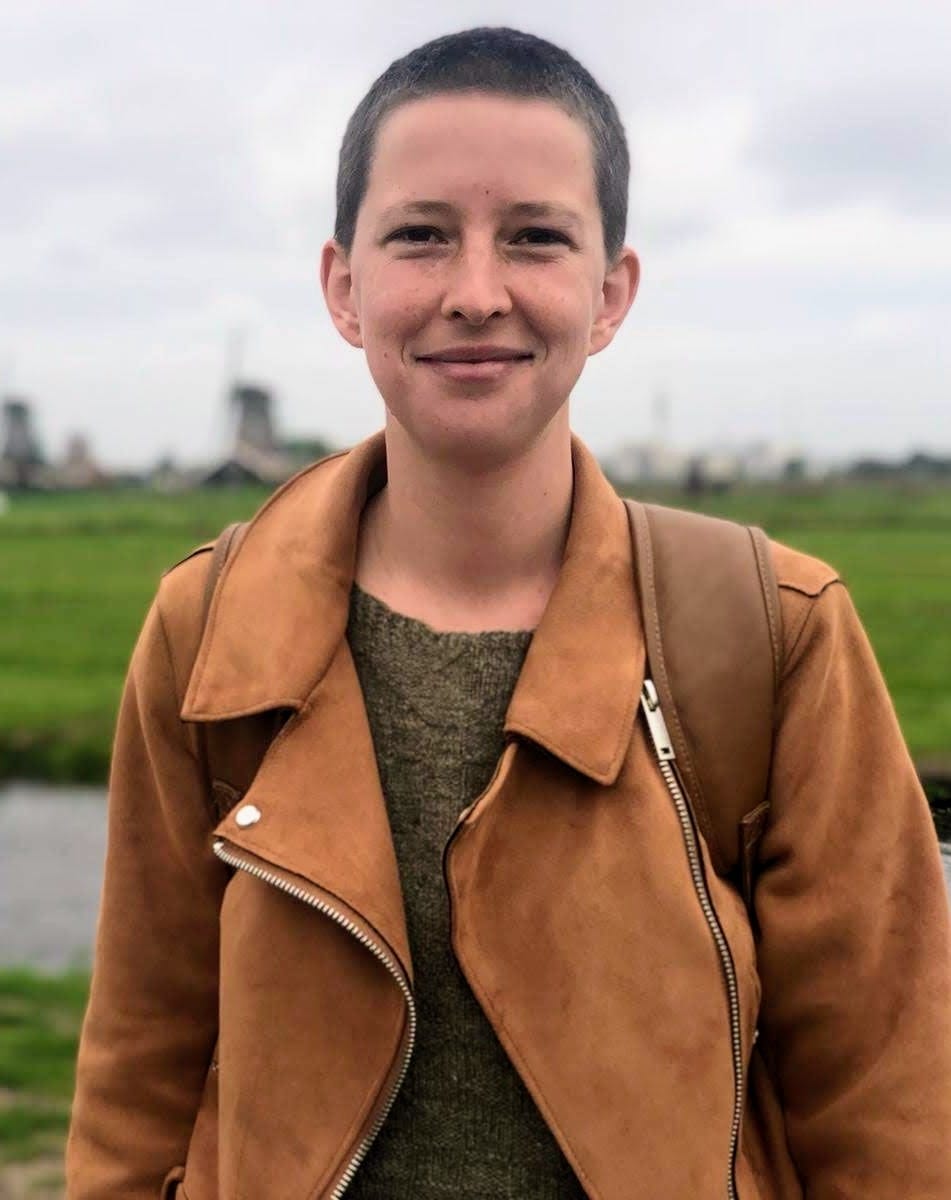
In this blog, Thea Hilhorst looks at the potential outcomes following the Dutch general election last week. Whilst the PVV party, led by Geert Wilders, won the largest proportion of votes, this is just the beginning of the government-forming process. The Dutch system requires building governing coalitions, and the largest party does not always form the next government. So, what is the PVV? How might they govern? And will Geert Wilders become Prime Minister?
Last Wednesday, 22 November, the PVV (Party for Freedom) led by Geert Wilders won the most votes in the national elections in the Netherlands. But the national elections to elect members of the Lower House of parliament in The Netherlands is just the beginning of the government-forming process.
The Netherlands has a system of parliamentary elections, unlike other countries that have presidential elections. In those countries, the two winners of a first round of elections may need to contend in a second round until one of the presidential candidates obtains a majority vote. In a parliamentary system, on the other hand, elections are about allocating parliamentary seats to political parties. The Netherlands has 150 parliamentary seats, and a party or coalition needs 76 seats to form a government, and so select a Prime Minister. The PVV came out of the elections as the largest party with 37 seats. As there are 150 seats in total, this means that slightly less than 25% of the electorate voted for PVV (and 75% did not).The second place in the elections came to the combination of the Green Left and Socialist Party, that ran together in these elections for 25 seats, followed by 24 seats for the currently largest party VVD and 20 seats for the new party of New Social Contract.
Another notable difference between a presidential and a parliamentary system is the different power invested in the leader of the government. While a President usually has executive power, a Prime Minister is technically speaking just the chairperson of the government – although far more powerful in practice than this job description would imply.
What is the PVV? And what did they win?
The Party for Freedom is mainly known for its leader: Geert Wilders, who has started PVV in 2005, having previously been a politician for the VVD party (of Mark Rutte, current Dutch PM). As a party it stands out, because there is no membership and hence it is often referred to as a ‘one-man show’. The PVV can be seen as a right-wing populist party. It rides strongly on anti-immigrant sentiments and islamophobia, and it denies the relevance of climate policies. Its political programme for the election proposes to end immigration, development cooperation and involvement in climate action. Geert Wilders also announced he wants to spend “not a single Euro” on gender equality, and he is a proclaimed fan of NEXIT (Netherlands leaving the EU). Socio-economically the PVV profiles itself as the champion of marginalized people, promising to lower costs for health insurance, lower the retirement age and increase minimum wages, although it is not clear how proposed measures will be financed.
The PVV has never previously been part of the Dutch government, but in 2010 they did provide support to the first government formed by Mark Rutte. This arrangement, sometimes known as a ‘confidence and supply’ formation meant that whilst the PVV did not provide any Ministers, they did support the government during votes in the Upper and Lower chambers of the Dutch parliament. In any case, the PVV pulled out of this arrangement in 2012 and collapsed the government, leading to fresh elections.
The Dutch government is almost always a coalition, and the process can take months
In the Dutch parliamentary system, coalitions need to be formed of different parties to reach a majority of seats in the parliament. Ruling by a single party could only happen when a political party won more than 75 seats, which has never happened in Dutch history. This means that PVV cannot form a government unless it can form a coalition with at least two more parties. The RTL News service has made a handy ‘coalition forming tool’– with so many political parties having been elected, coalitions can involve up to 5 parties in partnership. The formation of a coalition is a long-term process. The last government of the Netherlands consisted of 4 different parties and only reached an agreement after 271 days. It is usual that the largest party can initiate the coalition building process, and that this party will take the lead in the government and provide the Prime Minister. This is not always the case, in fact there have been 11 elections in the 20th century where the leader of the largest party did not become Prime Minister, the most recent in 1986.
Moreover, it is even possible that the winner is not going to be part of the new government at all. Whilst the largest party is given the first chance to form a coalition, there have been a few historical precedents where coalition negotiations failed, and new negotiations started up with other parties. This can have the consequence that the party with the largest number of seats is shut out of the government. This happened three times in the last century, and co-incidentally always in cases where the Labour (PvdA) party won the elections. In 1982, the party obtained 52 seats, more than one third of the votes, and was nonetheless side-lined in the formation of the government.
What happens next?
Formation processes are very unpredictable. The programmes of PVV and any likely coalition partners (other parties on the right side of the political landscape) have some issues in common but are also hugely different on others. An additional complications is that the VVD –the largest party for the last 12 years – now has a new leader who has initially ruled out working with the PVV. The new leader, Dilan Yeşilgöz, remarkably has a refugee background herself yet opposes liberal asylum practices. The second likely coalition partner for the PVV would be New Social Contract (NSC), that is an entirely new Party formed by the popular parliamentarian Pieter Omtzigt, who won 20 seats at the first election it joined. The combination of a new leader of the VVD and an entirely new party sitting at the negotiation table with Geert Wilders, who has been a solo player since he started the PVV, makes the process markedly unpredictable.
The three parties may find it easy to form a right-wing government in no time, or they may clash over their differences and leave an open arena for other parties to try to form a coalition. Only time will tell.
Opinions expressed in Bliss posts reflect solely the views of the author of the post in question.
About the author:
Dorothea Hilhorst is professor of Humanitarian Studies at the International Institute of Social Studies of Erasmus University.
Are you looking for more content about Global Development and Social Justice? Subscribe to Bliss, the official blog of the International Institute of Social Studies, and stay updated about interesting topics our researchers are working on.
[vc_row css=”.vc_custom_1592900783478{margin-right: 0px !important;margin-left: 0px !important;}”][vc_column css=”.vc_custom_1592900766479{margin-right: 10px !important;margin-left: -10px !important;}”][vc_column_text]The International Humanitarian Studies Association (IHSA), which is hosted at the Humanitarian Studies Centre at ISS, held its biennial conference at the beginning of November in Dhaka, Bangladesh. Held in collaboration with North-South University (NSU), and the Insights Network, the three-day conference featured a huge range of presentations and panel discussions on everything from migration, conflict, humanitarian education; and much more besides. The conference was also an opportunity to elect a new President and Board Members for the Association. [/vc_column_text][vc_separator color=”custom” accent_color=”#a80000″ css=”.vc_custom_1594895181078{margin-top: -15px !important;margin-bottom: 10px !important;}”][vc_single_image image=”25987″ img_size=”full” add_caption=”yes” alignment=”center”][vc_separator color=”custom” accent_color=”#a80000″ css=”.vc_custom_1594895181078{margin-top: -15px !important;margin-bottom: 10px !important;}”][vc_column_text]The International Humanitarian Studies Association (IHSA), brings together both researchers and practitioners from across the Humanitarian Studies spectrum and its related ‘sister’ subjects: including conflict studies, migration studies, environmental sciences; and international relations. The Association was founded in 2009 by a group of researchers including Dorothea Hilhorst (ISS), who stood down as the third president at the conference. IHSA has plenty of activities and opportunities for members, including working groups and expertise databases, but one of its biggest activities is the biennial conference.
This time, the conference was held in Dhaka, Bangladesh, (and online!) and featured over 300 attendees. It highlighted over 60 different panels and roundtables held on a range of subjects including: “Filling the gap or filling the shoes? Civil society and political change in historical disasters”, “Who or what constitutes the Humanitarian?”, “Building locally led solidarities over shrinking space for civil society”, and “Humanitarian action in Latin America and the Caribbean (LAC): Its governance and peculiarities in the region”. You can check out the full list and schedule here, while various recordings of the roundtables will be available on the IHSA YouTube channel in the near future.
New President and Board Members elected
Antonio De Lauri (Chr. Michelsen Institute, Oslo) was elected by the IHSA Members as the new IHSA President, and will lead the Association for the next four years.
In a commendation speech, the outgoing President, Dorothea Hilhorst (ISS) said: “I’m delighted that Antonio will be leading the International Humanitarian Studies Association for the next few years: he is an excellent academic – a formidable intellectual that has a strong track record in field research in humanitarian arenas. He is a great networker and I am convinced he will be a wonderful IHSA President. I look forward to him working with the new board to bring the Association to a broader audience and take the IHSA community to become yet more meaningful to its members.”
Dorothea Hilhorst – one of the founding members of IHSA in 2009 – was the third President of IHSA after Alex de Waal and Peter Walker whom she succeeded in 2016. IHSA will now be hosted at the Humanitarian Studies Centre in The Hague, and will benefit from two new staff members, increasing the capacity of the organization exponentially. An exciting programme of events and initiatives is planned for the coming years.
New Board Members
Members of the Association also voted for new Board members to join the 10-person board. Palash Kamruzzaman (University of South Wales), Carla Vitantonio (CARE), and Juan Ricardo Aparicio Cuervo (Universidade de Los Andes) were newly elected, whilst Rodrigo Mena (ISS) and Andrew Cunningham were both re-elected. Board members serve for four years, and the newly elected members now join existing members Susanne Jaspars (SOAS, University of London), Nazanin Zadeh-Cummings (Rijksuniversiteit Groningen), Patrick Milabyo Kyamusugulwa (ISTM-Bukavu), and Maryam Zarnegar Deloffre (George Washington University).
Mohamed Jelle (UCL) and Virginie Troit (Fondation Croix-Rouge) have left the board following the end of their terms; IHSA would like to thank them for their work and dedication over the last four years.
The International Humanitarian Studies Association welcomes new members: students, researchers, and practitioners from across the world of Humanitarian Studies. You can find out more about member benefits by visiting the IHSA website.
[/vc_column_text][vc_separator color=”custom” accent_color=”#a80000″ css=”.vc_custom_1594895181078{margin-top: -15px !important;margin-bottom: 10px !important;}”][vc_column_text]Opinions expressed in Bliss posts reflect solely the views of the author of the post in question.[/vc_column_text][vc_separator color=”custom” accent_color=”#a80000″ css=”.vc_custom_1594895181078{margin-top: -15px !important;margin-bottom: 10px !important;}”][vc_column_text css=”.vc_custom_1700597250996{margin-top: 0px !important;}”]About the author:
Tom Ansell is the Coordinator of the Humanitarian Studies Centre and International Humanitarian Studies Association.[/vc_column_text][/vc_column][/vc_row][vc_row][vc_column css=”.vc_custom_1596795191151{margin-top: 5% !important;}”][vc_separator color=”custom” accent_color=”#a80000″ css=”.vc_custom_1594895181078{margin-top: -15px !important;margin-bottom: 10px !important;}”][vc_column_text]
Are you looking for more content about Global Development and Social Justice? Subscribe to Bliss, the official blog of the International Institute of Social Studies, and stay updated about interesting topics our researchers are working on.
Each year, International Sex Workers Day celebrates sex workers’ resistance to the stigmatization, criminalization, and exploitation they face. This year, to commemorate the event, a seminar at the ISS discussed how sex workers’ advocacy resulted in the recent decriminalisation of sex work in Belgium. In this article, Marianne Chargois, Daan Bauwens, and Karin Astrid Siegmann discuss which further changes need to be made to ensure the dignity and rights of sex workers in Belgium.
Until June last year, Belgian law criminalized services and third parties supporting sex work based on the understanding that all sex workers are victims of exploitation and human trafficking, independent of their own view of or consent to their situation. This could lead to bizarre situations where a sex worker’s accountant or even his or her child — basically anyone supporting sex workers — could be, accused of ‘profiting from the exploitation of sex work’ and could be fined or imprisoned for pimping.
Decriminalization is an important first victory
Utsopi has fought against these stipulations since 2015, and last year, the union won! Taking a seat at the negotiating table in the Belgian Ministry of Justice first of all made it possible for sex workers to argue that sex workers can give consent, stopping the infantilization of those working in the ‘adult industry’.
The revised law also defines pimping more clearly, so that normal economic transactions are not targeted anymore. Instead, the criminalized aspects are now more narrowly defined as the ‘abnormal profits and advantages from the organization of prostitution’ or the organization of sex work in disrespect of sex workers’ labour rights. In contrast to the earlier version of the law, this does not threaten consenting sex workers’ livelihoods. Rather, it enables them to access necessary things that are normal for all other workers, such as having a bank account, housing, or other basic needs.
But much still needs to be done
Yet, while important, decriminalization is just the first step towards the improved rights and recognition of sex workers — many other things still have to change. For instance, stigmatization and discrimination involve such high levels of symbolic as well as physical violence that the large majority of sex workers refrain from divulging that they do sex work. These hidden lives expose them to greater risk of exploitation, abuse, and blackmailing.
Broader social protection is required
Besides, Utsopi and its partner organizations are working with the government on the concluding phase of a labour law for the right to have an employment contract and guaranteed social rights. Directly after the reform in 2022, only independent sex work was possible in Belgium. Working as employees would enable sex workers to start benefiting from social security. This would for instance enable sex workers to go on early maternity leave, but also to cover their risks, which include sexually transmitted diseases, but also other risks that they face such as harassment or discrimination based on the sex work.
Cooperation from municipalities is essential
Apart from the national legislation, local governments can make it difficult to carry out sex work by imposing restrictive conditions. For example, some municipalities require sex workers to register, and locations for sex work often have to comply with specific regulations. Presently, there is still a lack of spaces to work legally and under decent conditions. Shared spaces, brothels self-managed by sex workers, or other possibilities still need to be created and guaranteed.
Migrant sex workers need to be included
Finally, maintaining a certain level of tolerance in sex work regulation remains necessary even after it has been decriminalized. Most sex workers cannot access existing legal entitlements. For undocumented migrants, for example, the lack of residence or work permits implies that abuses can go unreported out of fear of deportation. In fact, no decriminalization process is complete without entitling undocumented sex workers to rights. This also points to the ‘unfinished decriminalization’ of sex work in New Zealand. Being the first country to decriminalize sex work in 2003, New Zealand still excludes migrant sex workers from the ambit of the Prostitution Reform Act.
A regulatory ‘grey zone’ remains necessary
One complication related to the protection of sex workers’ rights is that for some, sex work is a backup to make ends meet in an emergency. This implies that these persons do not consider themselves sex workers and are, consequently, unlikely to claim associated rights and entitlements. To address these additional complications that sex workers face, a certain regulatory ‘grey zone’ remains necessary.
The decriminalization of sex work is not a silver bullet
These learnings from the Belgian experience add nuance and realism to the idea of decriminalization as the silver bullet for ensuring decent work for sex workers. Marjan Wijers, consultant, researcher, and activist in the field of human trafficking and sex workers’ rights, echoed this when discussing the Belgian reform. She highlighted the paradox that decriminalizing brothel-based sex work in the Netherlands in 2000 ushered in an even more restrictive legal environment for sex workers now based on administrative law.
Still, on International Sex Workers’ Day, Belgium’s ‘swimming against the tide’ was an apt celebration of sex workers’ agency to successfully challenge the legal and societal structures that marginalize and stigmatize them!
Note: Thanks to Silke Heumann and Maria Ines Cubides Kovacsics for their helpful feedback on and suggestions for improvement of this post.
Opinions expressed in Bliss posts reflect solely the views of the author of the post in question.
About the authors:
Marianne Chargois is a member of the executive team of the Belgian sex worker union Utsopi.
Daan Bauwens is the Utsopi director.
Karin Astrid Siegmann is Associate Professor in Labour and Gender Economics at the International Institute of Social Studies (ISS).
Are you looking for more content about Global Development and Social Justice? Subscribe to Bliss, the official blog of the International Institute of Social Studies, and stay updated about interesting topics our researchers are working on.
The current wave of protests on the A12 highway in The Hague against government subsidies for fossil fuels have been both applauded and condemned. Several scientists have joined the protests in their professional capacity, which has led to questions of whether their activism threatens their independence as scholars. In this blog article, Dorothea Hilhorst responds to the argument of Dutch scientist and writer Louise Fresco in an NRC column last week that academics have no place in protests. All academics/scientists should be wary of their place in society and should use their positions of expertise to advocate for better outcomes, she writes.
Last Sunday, on 1 October 2023, I was standing on the highway of the A12 in The Hague, together with about 600 activists from Extinction Rebellion, until we were taken away by the police. I was fascinated by the colourful collection of activists with their original slogans chalked on cardboard and enjoyed the cheerfulness of the chants and the music. Many of the activists were here for the twentieth time in a row. Extinction Rebellion has been blocking the highway on a daily basis, starting 9 September, and aims to return every day until the Dutch government stops subsidizing fossil fuels.
As I was sitting on the road, I had serious conversations about why I was there as a scientist and whether my presence was at the expense of my independence. What struck me most is that the question of independence is so strongly linked to activism and taking action to the street. Scientists constantly interact with social groups. In fact, this is encouraged. Scientists who entrench themselves in their ivory towers have an increasingly smaller chance of obtaining scientific funding or promotions. Science is part of society, and the issues we deal with are largely determined by societies. And often enabled by societal actors, too, a lot of research is in fact financed by commercial companies.
It is very common for scientists to be active in politics in addition to their work and, for example, to serve on behalf of a political party in the Senate or on municipal councils. Scientists also often sit on supervisory boards or are attached to a company as supervisory directors. This often leads to additional income, which must be properly reported, for example on university websites, for reasons of propriety and transparency.
The social involvement of scientists regularly leads to questions about the independence of science, especially when it can be demonstrated that the scientist takes the interests of a company into account in the scientific work or — as is currently the case — if the question is raised whether it is ethically responsible to have companies such as the fossil industry, the tobacco industry, or alcohol producers help pay for research. Except in these specific cases, social involvement is seen as a must and is not considered to be in conflict with the independence of the academe. But strangely enough, it does when it comes to involvement in an activist organization — a clear double standard.
Take for example Louise Fresco, who recently argued in a column for the NRC that scientists and academics have no place in a protest, is an example of a socially involved scientist. In the past, she was a supervisory director of Rabobank, a major Dutch bank, and, as a scientist, she was co-director of Unilever in addition to her scientific work. She is currently a supervisory director at agriculture company Syngenta. In her column, though, Fresco says that scientists should not demonstrate . With that argument, scientists should also not be involved in an industry or political party. These organisations are not exclusively based in their actions by scientific evidence, and their agendas are always encompassing more that the scientist’s field of expertise can oversee.
I am happy that the activists of Extinction Rebellion are open to listening to my research findings about the consequences of climate change for poor people in poor countries — people who have never been on an airplane, yet who are paying the highest price for climate change. I think that with my scientific attitude, which is used to questioning and critically observing (like all scientists), I can contribute to the movement, and I notice that my questions about the action strategy are taken seriously, whether or not they are taken up. Above all, I am convinced that being on the A12 will not prevent me from remaining true to my independent research methods.
Is criticism of the alleged loss of independence of demonstrating scientists perhaps a veiled rejection of the method of civil disobedience that Extinction Rebellion has adopted? In that case, I advise Louise Fresco and other concerned colleagues to delve into the positive contributions to the world history of civil disobedience for, for example, the abolition of slavery, decolonization, or the fight for women’s suffrage. Scientists that remain in their ivory towers, or indeed continue to sit around glass-topped boardroom tables, can fail to engage with the full spectrum of society. This, surely, is to the benefit of no-one.
Opinions expressed in Bliss posts reflect solely the views of the author of the post in question.
About the author:
Dorothea Hilhorst is professor of Humanitarian Studies at the International Institute of Social Studies of Erasmus University.
Are you looking for more content about Global Development and Social Justice? Subscribe to Bliss, the official blog of the International Institute of Social Studies, and stay updated about interesting topics our researchers are working on.
Despite myriad legal provisions in place in the Netherlands to prevent discrimination, it remains a serious issue, permeating all societal sectors and informing government actions and policies, as the recent childcare allowance scandal has shown. Between 2020 and 2022, ISS Rector Ruard Ganzevoort in his capacity as a member of the Dutch Senate chaired a parliamentary committee of inquiry that examined the effectiveness of anti-discrimination legislation. In this blog article, he discusses some of the key findings of the investigation and names six factors that can be considered when seeking to ensure that existing laws effectively prevent discrimination.
Photo by Jeremy Bishop on Unsplash
Why is it that discrimination is rampant, even when strong anti-discrimination laws are in place? And not just discrimination by individuals or organizations, but also by government institutions? In the Netherlands, a country often priding itself on its strong (although at least partly imagined) history of tolerance and equality, this has come to the public attention with the childcare allowance scandal, where substantial indications of systemic or institutional discrimination in our social welfare system and our tax system surfaced.
As a member of the Dutch Senate, a position I held until last June, I chaired a parliamentary committee of inquiry on the effectiveness of anti-discrimination legislation. The question the Senate wanted to address is why our legislation seems unable to curb this widespread and systemic discrimination. The first article in the Dutch Constitution explicitly bans discrimination on any ground. We also have specific laws against discrimination on more specific grounds. We have implemented a system for complaints and local institutions to address individual cases. In short, we have extensive policies against discrimination. And yet… discrimination not only persists despite our legislation and policies but sometimes because of them. And it is highly detrimental to our citizens.
The committee looked specifically at discrimination in the domains of 1) the labour market, 2) education, 3) social security, and 4) the police — four domains with a different degree of governmental influence. In each domain, we selected specific issues in discrimination that would help us understand the dynamics so that we can improve the legislative process. In the domain of social security, we looked at two issues: first, the role of algorithms in detecting unlawful use of social support and, second, the fact that certain groups tend to avoid the social security system, even if they are entitled to receive support.
The results of the inquiry were published in June last year and can be viewed here (full report in Dutch) and here (summary in English). Below, I briefly discuss two key findings from the report: that algorithms carry a discriminatory risk, and that people do not access social security provisions available to them in part because the government seems to mistrust eligible persons.
Algorithms can discriminate and pose a risk
The analysis of our investigation highlighted the discriminatory risk of algorithms, especially when prejudice and bias are incorporated into the risk profiles and data sets. Moreover, even relevant and / or seemingly neutral information can contribute to the discriminatory use of profiles and data. A combination of postal codes, IP addresses, and phone numbers for example can indicate ethnicity or nationality and thereby can result in indirect discrimination.
Government distrust may explain failure to access social security provisions
Regarding the non-use of social security provisions, the complexity of the system and the fact that the government seems to mistrust those who need support were found to be important factors. This regards especially those with fewer social-economic resources and people with structural or temporarily impaired capabilities. Although these criteria are hard to define in law, the outcome can be seen as discriminatory.
Six factors to consider for more effective legislation
Analyzing cases from these four domains, the investigation yielded six crucial factors that are not only relevant for the effectiveness of legislation (although that was the focus of the analysis), but also for policies in organizations. In those cases, the word ‘government’ can be exchanged for ‘leadership’.
First, trust. Does the government trust or mistrusts its citizens? The fundamental attitude should be that people by and large can be trusted and that in varying degrees they need support. If the government displays fundamental mistrust, this will likely result in discriminatory laws and policies.
Second, attention. Does the government display continuous attention for discriminatory processes and outcomes, and does it listen specifically to what people need and experience? Lack of attention puts systems above people and easily results in discriminatory laws and policies.
Third, norms and language. Do new laws explicitly refer to antidiscrimination principles and make them concrete? And are implicit norms inclusive enough or do they favor certain groups? Vague and implicit norms can easily result in discriminatory laws and policies.
Fourth, simplicity. Do our laws and policies provide transparent, consistent, and integrated criteria and regulations to citizens and institutions, including educators and social services? The complexity of our laws and policies makes it difficult for citizens to claim the support they need, to execute their rights and to file complaints where needed. It also yields space for bias and prejudice and can therefore result in discriminatory laws and policies.
Fifth, leadership and accountability. Does the government explicitly make institutions and organizations responsible to curb discrimination and to arrange accountability structures? And do our policies provide for the necessary skills and professional space to use and account for discretionary power and hardship clauses? Failure to do so, especially in situations of unclear norms or conflicting political demands, may result in discriminatory laws and policies.
Sixth, clear and effectivecomplaint procedures. Are the possibilities for citizens to complain about certain decisions clear, accessible, and effective? It is not enough to have procedures in place, if people cannot realistically use them. Moreover, this should not be the only safeguard because then only the well-resourced citizens are able to use them which actually increases the risk of discriminatory laws and policies.
Trust, attention, norms, simplicity, leadership and accountability, and clear procedures. Obviously, these principles for legislation and policies are not a foolproof remedy for discrimination. They are, however, an important instrument in addressing the systemic and institutional dimensions of discrimination. They clarify how our legislative processes and organizational policies can willingly or unwillingly result in discrimination, and they show what we can do to reduce that. In the end, of course, they turn out to be just principles for good laws and good policies for all our citizens.
Opinions expressed in Bliss posts reflect solely the views of the author of the post in question.
About the author:
Ruard Ganzevoort is rector at the International Institute of Social Studies in The Hague
Are you looking for more content about Global Development and Social Justice? Subscribe to Bliss, the official blog of the International Institute of Social Studies, and stay updated about interesting topics our researchers are working on.
The recent occupation of the A12 highway in The Hague to protest fossil subsidies has dominated news headlines as protestors blocked the highway en masse for several days in a row. ISS Professor of Pluralist Development Economics Irene van Staveren was one of several academic researchers who joined the protests. In this article, she explains why they decided to appear in academic gowns and refutes several counterarguments scientists, politicians, journalists, and others use to deny climate change or the need for climate action. Neutrality is no longer an option, also for scientists, she writes.
About a week and a half ago, I also stood on the A12 highway alongside Extinction Rebellion (XR) to protest against fossil subsidies. I wore my academic gown, along with about thirty other professors, to make it clear that we were there as scientists. Science has been demonstrating for decades that the Earth is warming, and we have increasingly more evidence that this is due to our economic behaviour.
However, there were some counterarguments. For example, an economist who has held numerous leadership positions in the public and private sectors wrote, to my astonishment, that “there is no way to deduce from climate science that ‘fossil subsidies’ should be abolished.” While economic science convincingly demonstrates that price incentives lead to behavioural change. Economists who specifically focus on climate (climate scientists, in other words) emphasize that a price tag on CO2 emissions helps to reduce them.
The new leader of the political party CDA (Christian Democratic Appeal) also reacted sceptically to our resistance, suggesting that companies would relocate abroad, and emissions would continue while we would have fewer jobs. As if job retention in polluting sectors should be a priority in these times of labour market tightness. We actually need a lot of hands for the production and installation of solar panels, heat pumps, and insulation. In line with this short-sighted point, there is also the well-known comment at social gatherings, “what about China?” If you genuinely believe that, you should stop buying goods that are produced cheaply there. China is not idle; it’s the country that installs the most solar panels.
Let me now address those subsidies. There was some sour commentary from an investigative journalist claiming that the term is incorrect and that the calculation is based on assumptions. The term does not refer to government expenditures but rather to tax breaks for large companies in the oil, gas, and coal industries. But by now, doesn’t everyone who follows the news know this? They are disguised subsidies. And yes, when you calculate a cost advantage, you cannot avoid making assumptions. The research that XR is based on is transparent about this and calculates the tax benefits compared to the fossil taxes that households pay. Meanwhile, the government has just admitted that the amount is even higher: at least 40 billion euros.
Finally, some university boards had reservations about us being there in our academic gowns. Fortunately, my dean and board supported us wholeheartedly. And rightly so. The academic gown does not belong to the university but symbolizes science. When politics claims to want to achieve the goals of Paris but simultaneously ignores scientifically substantiated arguments that this means we must significantly reduce fossil energy much faster, then we have a responsibility to reinforce these arguments.
Because, as the writer Elie Wiesel said, “Neutrality helps the oppressor, never the victim.” If our country does not stop fossil subsidies very quickly, we are contributing to millions of climate victims. Especially in the Global South, more and more people are already facing shortages of drinking water and food, as University of Amsterdam colleague Joyeeta Gupta, the recently awarded Spinoza Prize recipient, mentioned in her speech at the A12.
This blog article is based on a column first published in Dutch in the newspaper Trouw on 19 September 2023.
Opinions expressed in Bliss posts reflect solely the views of the author of the post in question.
About the author:
Irene van Staveren is professor of pluralist development economics at the Institute of Social Studies (ISS) of Erasmus University Rotterdam. Professor van Staveren’s theoretical interest is in feminist economics, social economics, institutional economics and post-Keynesian economics. Her key research interest is at the meso level of the economy with topics such as social cohesion, social exclusion, inequality and discrimination, as well as ethics and values in the economy and in economics.
Are you looking for more content about Global Development and Social Justice? Subscribe to Bliss, the official blog of the International Institute of Social Studies, and stay updated about interesting topics our researchers are working on.
On Saturday 9 September, thousands of activists joined Extinction Rebellion in a blockage of the A-12 highway in The Hague, to protest against the 37 billion Euro annual subsidy of the fossil fuel industry in the Netherlands. The amount was established by research collective SOMO and consists of direct subsidies and tax exemptions. On the highway and at the support demonstration organised by several Dutch NGOs there were dozens of professors, wearing their gown joining the protest, among them several professors of ISS. Joyeeta Gupta of the University of Amsterdam and winner of the Spinoza price 2023 spoke at the support demonstration. Here is her speech.
Good morning all!
I am here today because I take every opportunity to call for climate justice. My argument today is: Living within Earth system boundaries requires a just approach. There are system boundaries on Earth. from local to global level. Boundaries must be safe and just. Safe – to ensure that the system does not collapse. Just to ensure that damage to people and nature is kept to a minimum.
Globally, we have crossed seven of the eight boundaries. At a local level, at least two boundaries have been crossed on 50% of the land area, affecting 80% of the world’s population. Boundaries relate to climate change, water, nitrogen and phosphorus, biosphere, air pollution.
Climate change is also part of this. The Paris climate limit of 1.5-2 degrees Celsius is not just enough. Already at 1°C, tens of millions of people are exposed to very high temperatures; much more for sea level rise. Extreme weather events are already costing lives and damaging infrastructure. Furthermore, climate change affects all other Earth systems. By not demanding stronger targets, we accept that these millions of people will be affected by our actions. I repeat, by not demanding stronger targets, we accept that these millions of people will be affected by our actions.
Global boundaries determine what we do in each country. Every country must try to reduce its emissions. But rich countries that have emitted heavily in the past must do more. Instead, in the Netherlands we subsidize our fossil fuel sector with 37.5 billion euros annually, while we only provide hundreds of millions in climate aid. That’s mopping with the tap open. And with a very small mop, and a very large tap. We have no blueprint for phasing out fossil fuels, even though we led the world on climate change in 1989. The global fossil fuel sector is worth between $16 and $300 trillion. We must make this sector responsible. A first step, which should have been taken thirty years ago in the Netherlands, is to abolish fossil fuel subsidies in a fair manner, so that it does not affect access to energy for the poorest.
Boundaries mean that we have to share environmental utilization space. This seems painful because we have to produce and consume less. But perhaps that has no influence at all on our well-being, our happiness. We need to redesign our societies to ensure that what we do here does not harm anyone else far away. We must adopt the ‘no harm’ principle. Boundaries mean that we have to share the environmental utilization space. But if we let the market do that, the price of scarce resources will rise and only the rich will be able to buy them. Ensuring that the world’s poorest have access to water, food, energy and housing will put additional pressure on the boundaries we have already crossed. This may sound like the problem is that there are too many poor people. But to meet the minimum needs of the poorest, their additional pressure on the environment is equal to that imposed by the world’s top 4%. And we are among the richest countries in the world. Boundaries mean that we have to share environmental utilization space. Indigenous people and local communities protect at least 22 percent of the world’s most important biodiversity areas – where 80 percent of biodiversity is found. We should support them, not marginalize them. Climate change could even cause the Amazon to become a net emitter of greenhouse gases, further increasing climate change.
We have crossed boundaries on climate change, biodiversity and water. This means we need to use less and share better. We need Earth System Justice – to ensure that we are held accountable for the harm done to others and to ensure that resources are distributed fairly. We need a global constitution. We must mobilize all actors. If governments are unwilling to take action, social movements may have to use their civil rights to convince their governments to do so with peaceful demonstrations. We must get rid of fossil subsidies. We must get rid of fossil fuels. Thank you.
Opinions expressed in Bliss posts reflect solely the views of the author of the post in question.
About the author:
Professor of Environment and Development in the Global South, Faculty Sustainability Professor, Governance and Inclusive Development (GID), Department of Geography, Planning and International Development Studies, Amsterdam Institute for Social Science Research, University of Amsterdam, the Netherlands.
Are you looking for more content about Global Development and Social Justice? Subscribe to Bliss, the official blog of the International Institute of Social Studies, and stay updated about interesting topics our researchers are working on.
Humanitarian Studies has been defined by Professor Thea Hilhorstas the study of societies and vulnerable communities experiencing humanitarian crisis originating from disaster, conflict, refugee situations, and/ or political collapse. This definition stemmed from the recent launch of the Humanitarian Studies Centre (HSC) on 31 August, 2023 at the International Institute of Social Studies, The Hague. The HSC aims to build a network of researchers, practitioners, and policy makers to collaboratively impact the field of Humanitarian Studies.
The Humanitarian Studies Centre at ISS launched on August 31, with a full-day opening event to ‘take stock of Humanitarian Studies’. Guest speakers included Prof. Antonio De Lauri (Norwegian Centre for Humanitarian Studies), Dr Juan Ricardo Aparicio Cuervo (Universidade de Los Andes), Rob Schuurmans (Acting Director, International Affairs, Municipality of The Hague), and Mariëlle van Miltenberg (Head of Humanitarian Aid at the Ministry of Foreign Affairs). The day was intended to map humanitarian studies in the Netherlands and provide an opportunity for networking, with 36 presentations in different sessions showing the breadth and diversity of Humanitarian Studies.
The Humanitarian Studies Centre will also partner with and host several other organisations, including KUNO (Platform for Knowledge Exchange in the Netherlands), the SSRi (Safety and Security for Researchers Initiative), and the IHSA (International Humanitarian Studies Association). In her opening speech, Thea Hilhorst, who directs the Humanitarian Studies Centre, raised the question what humanitarian studies is.
What is Humanitarian Studies?
“I would like to start with a word of thanks, to the Netherlands government that endowed me with the Spinoza price that enabled setting up the Humanitarian Studies Centre. A first question, then, is of course: what are humanitarian studies?
The field was originally thought of as ‘the study of (international) humanitarian action’. However, perhaps because of my background in development studies, I have always carefully situated humanitarian action in society. Humanitarian action, in my mind, is an autonomous field embedded in society, as I elaborated with Bram Jansen in the idea of the humanitarian arena.
Even so, through time I felt it was needed to broaden the definition of humanitarian studies, away from a focus on international humanitarian action to take societies undergoing humanitarian crises as the starting point. Humanitarian studies, in my mind is:
The study of societies and vulnerable communities experiencing humanitarian crisis originating from disaster, conflict, refugee situations, and/ or political collapse. It studies the causes and impact of crisis; how people, communities and authorities respond to them, including efforts for prevention and preparedness; how humanitarian action and other external interventions are organized and affect the recovery from crises; and the institutional changes that crises and crisis response engender.
This definition implies that there are lots of people that contribute to Humanitarian Studies, without necessarily identifying with the label of ‘Humanitarian Studies’.”
A broad field, open to dialogue
“There is a large range of other academic fields that can interact with, influence, and be in conversation within Humanitarian Studies. We are like siblings in a large family, looking alike yet all with our distinctive features. These include conflict and peace studies, development studies, feminist and post-colonial studies, international relations, disaster studies, and refugee studies. It’s not just academic efforts that contribute to the field either; practitioners are also included – hence the hosting of KUNO at the HSC. The launch of the HSC is also a call to build a network of researchers, practitioners, and policy makers that build collaboratively to have the most positive effect in Humanitarian Studies.”
Not limited to the actions of Humanitarians
“Centering society within Humanitarian Studies means looking at what happens to society during moments of crisis, in contrast to previous approaches. Scholars were mainly interested in the exceptionality of crisis, the violence characterizing crisis, or assumed societies lost their organizing principles to become tabula rasa or institutional voids altogether during a crisis. Few people asked themselves how families managed to feed children, sent them to school, how babies were born, what happened to couples falling in love, who would help people with nothing to eat?
While a plethora of research and lived experience showed that people help each other during crisis (everybody would have died when they had to wait for international humanitarian actors), this largely escaped the eye of the academic world just as much as the aid community. Today, we almost see the opposite happening, with the aid sector celebrating the resilience of local communities, the self-reliance of people on the move and the everyday care they extend to one another.
Whilst it is important to celebrate peoples’ resilience during crisis, and solidarity within societies, this doesn’t mean that the field of Humanitarian Studies takes a rose-tinted view of what happens during crises. Nor can the field ignore the politicization of crisis situations. Lots of research has testified to the politics of crisis, and the ways in which actors reconfigure themselves to benefit from the crisis interventions or change the existing order according to their own interests and views. This happens at international as much as national and the local level, where for example chiefs may ask for sexual favours in exchange for assistance, or local traders may profit from crises by doubling their prices.”
Disaster and crisis as opportunity
“Optimistic people view disaster as a window of opportunity to build back better, and more pessimistic people predominantly see how elites make themselves stronger and richer in times of crisis. Where they agree is that moments of crisis also typically open space for change within society, with existing structures of governance often entirely upheaved, or unable to operate in the same manner. Some of the richest, layered and interesting studies humanitarian scholars have done is to see how institutional landscapes change in crisis situations, whether these changes are permanent, and whether these changes can be affected by carefully crafted interventions.”
A value-laden field
“What I love about humanitarian studies as the title of this domain of work is that it carries a value-laden property. Humanitarian studies is about dignity and it is about humanity. The father of modern humanitarianism, Henri Dunant, proposed that the key idea of humanitarianism is the desire to save lives and restore human dignity. He derived this notion from a tradition of Christian charity that did not seek to radically alter society. However, the notion of humanity has also inspired subsequent scholars. Last year I was in the beautiful city of Davos in Switzerland where a winter walkway is devoted to Thomas Mann, who wrote his ‘Zauberberg’ (the Magic Mountain) during a stay at Davos.
One of the quotes displayed on the walkway says: ‘What then, is humanism? It is the love of humanity, nothing else, and therefore it is political, and therefore it is a rebellion against everything that tarnishes and devalues humanity.’ That is for me the value that drives humanitarian studies.”
The Humanitarian Studies Centre aims to be a hive of activity around the field, with academic and applied research that will continue to centre both society and humanity in societies undergoing crisis or disaster. Along with Director Thea Hilhorst, Deputy Director Rodrigo Mena, and Senior Researcher Kaira Zoe Cañete, another Senior Researcher will also shortly be joining the team. Several PhD researchers are also affiliated to the centre. Non-academic staff include Coordinator Thomas Ansell, and Community Manager Gabriela Anderson Fernandez. An exciting programme of academic research, knowledge sharing, dialogue with practitioners, and much more is planned!
More information about the HSC is available on the ISS website. The HSC has been set up at ISS by Thea Hilhorst, following her Spinoza Prize in 2022.
Opinions expressed in Bliss posts reflect solely the views of the author of the post in question.
About the author:
Dorothea Hilhorst is professor of Humanitarian Studies at the International Institute of Social Studies of Erasmus University.
Are you looking for more content about Global Development and Social Justice? Subscribe to Bliss, the official blog of the International Institute of Social Studies, and stay updated about interesting topics our researchers are working on.
Home is where the heart is, the old adage goes. But home is also a space and a feeling of belonging created through our connections with each other, whether it’s by means of sharing daily experiences, values, hopes and dreams, a place on Earth, or all of these. In this post, Ruard Ganzevoort, who recently joined the ISS as its new rector, shares his thoughts on feeling at home at the ISS and why this feeling arises.
If I would try to describe my experience of joining the ISS community as its new rector, the first thing that comes to mind is how much I feel at home. That is not only caused by the warm welcome I received. It has to do with something much more fundamental. It has to do with where we can locate ourselves at the intersections of the personal, the local, and the global. Feeling at home to me means finding a place where we can be rooted as well as a place from where we move into the outside world. Let me explain.
From my early childhood until today, I have moved quite often. I lived in around 20 houses in 12 cities in two countries. I traveled and worked (even if briefly) in a dozen more countries, most regularly in Indonesia where my partner is from. In the recent past, I co-owned a small boutique hotel in a building that doubled as our private home, with only one sliding door between the lobby and our living room. Home, I can say, has always been a fluid and momentous concept to me — more a specific quality of life than a fixed location. I can feel completely at home in a new place or alienated in a place very familiar to me.
So where do I experience that sense of ‘being home’? And why at ISS? First, it has to do with the personal alignment of values, of what really matters to you. I feel truly at home when my fundamental personal values are shared with the people around me. That doesn’t mean we agree about everything. Far from it. But it does mean that there is a shared understanding of what is really important. It means that what I care about is not dismissed by the people around me.
Connected through our values
At the ISS, I sense this value alignment in the focus on social justice and global equity. There is a shared understanding that what matters to us is the search for pathways to a better world and that our academic endeavours are geared toward aim. And as a corollary of that social justice perspective, we are aware that diversity of positions, perspectives, and personalities should be acknowledged and appreciated. That is why I feel at home and that is what I want to nurture as rector of the ISS.
Connected in the here and now
The second aspect of being at home is allowing oneself to get rooted in a local community. This is not necessarily a permanent community, not one that will always remain the same. It means that we embrace the community as it exists here and now — a community that inhabits a space and is located in a certain environment. For me, the community of ISS feels like home insofar as we are willing to engage with one another, to be there with one another, to be willing to be part of each other’s life in the here and now. And, surely, part of that local community is in fact virtual, but there is a strong here-and-now dimension to a community. One of the striking features of ISS is this experience of a local community of learners, living and working together in that iconic building of ours, located in the specific context of The Hague, with all its unique qualities and possibilities.
Connected to the rest of the world
The third aspect of being at home is being aware that we are connected globally and part of a larger world. To be at home here and now implies that there is also a there and then. Sometimes this is played out antagonistically in an us–them scheme. Much more fruitful, however, is to see home as our base from where we engage with the world. Knowing where we are at home makes it possible to reach out and move to other places without getting lost. One of the beautiful characteristics of ISS is that this is precisely what is happening. Students, staff, and alumni are at home at ISS and travel into the world. And they are at home somewhere else in the world and travel to ISS.
That is why I immediately feel at home at ISS. As rector, I hope to contribute to profound conversations about our values-driven scholarship, to a caring and meaningful social community, and to an ever more intensive focus on the world outside. Let’s do this together!
Opinions expressed in Bliss posts reflect solely the views of the author of the post in question.
About the author:
Prof.dr. (Ruard) RR Ganzevoortis the rector of the International Institute of Social Studies in Den Haag (part of Erasmus University Rotterdam) as well as professor of Lived Religion and Development.
Are you looking for more content about Global Development and Social Justice? Subscribe to Bliss, the official blog of the International Institute of Social Studies, and stay updated about interesting topics our researchers are working on.
How can scientists help engender societal change, and when is it effective to take the road of activism? This question has become increasingly relevant in the face of the urgent need to address the implications of climate change. In this blog (that first appeared on 1 June 2023 as an op-ed in the Dutch newspaper de Volkskrant), Professors Thea Hilhorst and Klaas Landsman – both recipients of the Spinoza Prize, the highest scientific award in the Netherlands in 2022 – gave a speech during the occupation of the A12 by Extinction Rebellion. Why did they choose to participate in this action as scientists?
On 27 May, an estimated 8,500 activists blocked the A12 highway in The Hague. There was no misunderstanding about the illegal nature of the action. Right from the start, the police shouted through megaphones to demonstrators that there was no legal permission for this demonstration and that those who stayed ran the risk of being arrested. Water cannons were already spraying large quantities of water over the crowd from four military vehicles placed at the head and the rear of the mass of people. Indeed, the demonstration took place without a permit, and blocking a highway is against the law. Nevertheless, we then considered and still consider the action to be legitimate.
The effects of climate change are already being felt all over the world. Rich countries emit most of the greenhouse gases inducing climate change. Poor countries, and in turn the poorest and most vulnerable people in these countries, bear most of the consequences – those people who can hardly afford to eat meat or to buy new clothes at every turn of fashion, who don’t own a car, let alone ever take a plane. They pay the highest price for climate change. They pay with their health, their residence, their livelihoods, their safety, and increasingly with their lives.
Heat waves make places in India reach temperatures above 45 degrees Celsius. People with fragile health in an urban poor area living under a corrugated iron roof may not survive. The shepherd in Kenya who loses his goats due to drought has lost everything; he has no savings to buy new goats. Last summer, large parts of Pakistan flooded, destroying 8,000 kilometers of roads and 105 bridges. Even before these can be repaired, there is likely to be another flood. Increasingly, people lose their land to the river, the sea, or excessive drought. We – residents of rich countries- owe a debt of honor to these vulnerable people in poor countries.
A basic principle of civilization is to take responsibility for harm inflicted on one another. The polluter pays. Rich countries must compensate poor countries. But that is not happening. There are no concrete agreements on compensation yet. The USD 100 billion per year that rich countries have pledged for climate adaptation has not been fully delivered. What is paid partly flows back as profit to Western companies that offer technologies for climate adaptation to poor countries.
Even the most immediate humanitarian aid to mitigate the worst consequences of climate change falls short. On 24 May, a UN summit on the drought in the Sahel failed. Rich countries pledged only USD 2,4 billion of the USD 7 billion needed to address starvation. That is a stark contrast to the estimated USD 30 billion with which Netherlands subsidizes the fossil industry annually, mainly through tax benefits.
UN Secretary-General Antonio Guterres equates climate change to ecocide. This is his statement on Twitter of 5 April 2022: “Climate activists are sometimes depicted as dangerous radicals. But the truly dangerous radicals are the countries that are increasing the production of fossil fuels. Investing in new fossil fuels infrastructure is moral and economic madness.” The occupation of the A12 was aimed at protesting fossil fuel subsidies.
Extinction Rebellion stands for nonviolent civil disobedience in the tradition of Mahatma Gandhi, Martin Luther King and Bertrand Russell. A non-violent blockade of a highway, with a demand consistent with UN appeals, represents in our eyes a legitimate response to the violence of climate change exerted on defenseless people, animals, and ecosystems. Politicians linger, listen to the lobbying of the fossil industry, and hope for innovation to solve all our problems. But there’s no time to waste anymore.
Listen to science. Listen to the IPCC, the UN’s Intergovernmental Panel on Climate Change . More and more scientists are joining Scientist Rebellion – a group of academics linked to Extinction Rebellion. We, too, will join again next time.
Opinions expressed in Bliss posts reflect solely the views of the author of the post in question.
About the authors:
Dorothea Hilhorst is professor of Humanitarian Studies at the International Institute of Social Studies of Erasmus University.
Klaas Landsman is the Chair of Mathematical Physics, Institute for Mathematics, Astrophysics, and Particle Physics at Radboud University Nijmegen.
Are you looking for more content about Global Development and Social Justice? Subscribe to Bliss, the official blog of the International Institute of Social Studies, and stay updated about interesting topics our researchers are working on.
In the past, scholars facing persecution have regularly been received by Dutch universities, which have provided them with a safe space to continue conducting their research in times of adversity. In 2019, the Dutch system for providing a safe haven for such scholars collapsed – an event that went largely unnoticed at the time. Ever since, efforts to help scholars have been mostly futile, largely because the bureaucratic hurdles to providing a safe space are more or less insurmountable. In this article, Linda Johnson explains how and why the Dutch system for supporting refugee scholars has become ineffective and suggests what should be done about it.
Photo Credit: Ron Lach
The Russian invasion of Ukraine early last year galvanized universities in the Netherlands into a brief flurry of solidarity and a frantic but largely ineffectual effort to provide a safe space for Ukrainian researchers to continue their work. Working parties were set up, web pages were designed and countless meetings were held. The consternation was immense. Sadly, none of this led to much concrete assistance for imperilled scholars and students. There was simply no system in place that would allow grants to be paid out to those in dire need. It became abundantly clear that the infrastructure for supporting scholars at risk is inadequate.
The lack of an infrastructure for organizing meaningful support was systematically exposed in January this year in a report issued by a prestigious group of critical scholars (The Young Academy), who for the first time showed the deficiencies of the current system in a rigorous report that describes and analyses the situation as it is today. They have made clear that the infrastructure for supporting scholars at risk from all over the globe (Ukraine, Afghanistan, Syria, Turkey, Iran and the list goes on…) is woefully inadequate. But how could this have happened and what needs to be done to remedy the situation?
The early days of Scholars At Risk NL
To answer this question, it is important to first take a look at what has happened in the past few years. In around 2010, the American organization Scholars at Risk (SAR) started approaching universities in Europe with a view to expanding global provision for at-risk scholars. I had been active in university internationalization circles globally for several decades; hence, I was one of the individuals approached for initial discussions on setting up a SAR provision in The Netherlands.
I was enthusiastic about the proposal and felt that the Netherlands should get involved in this important work. The aims of SAR and the mission of ISS were in alignment and it was not difficult to gain the approval of the then ISS rector (Professor Leo de Haan) to begin receiving students at ISS. Many ISS colleagues were in favour of creating a structural provision for scholars under threat. I set up an infrastructure and little by little extended the pilot so that the whole of the Erasmus University could participate.
We managed to place one or two scholars a year at ISS and occasional placements were found in other parts of the university. Mentoring a scholar who has had to flee for his/ her life is not easy work, but there were enough excellent colleagues willing to go above and beyond the call of duty to make the system work. Similar efforts took place at most universities in the Netherlands, largely based on solidarity and relying on colleagues who were willing to spend time and effort over and above their working hours to keep the system afloat.
Between 2010 and 2015, most European countries, including the Netherlands, set up programmes to help scholars at risk. The Dutch support organization for refugee students, the UAF, coordinated Dutch efforts and fulfilled the important task of disbursing the grants made available to scholars at risk. These grants came from a variety of sources (universities, private donations, local councils, SAR and others). For some time, things went well enough.
A turn for the worse
Sadly, in 2019 the UAF decided to end its partnership with the Dutch arm of Scholars at Risk. Worries had begun to surface about possible fines being imposed by the Dutch tax authorities because of the UAF’s role in the distribution of grants. The Dutch tax authorities had indicated that the modest bursaries could be construed as salary and would hence fall under the category of ‘notional’ employment on which the recipient would need to pay tax, and over which the employer would need to pay social insurance. This would multiply the costs involved and reduce the grants to a size too small to meet living costs for the scholar in question.
The financial risk was deemed too great by the UAF – in 2020, it withdrew entirely, effectively making it impossible for Dutch universities to offer financial assistance to at-risk scholars and also bringing to an end any structured coordination of support to at-risk scholars. Expertise on how best to support scholars at risk could no longer be shared and data could no longer be collected and collated on the numbers and origins of scholars seeking assistance from Dutch universities.
In short,since 2020, Dutch universities have no longer been able to make any provision to assist scholars at risk. This situation is in sharp contrast to the generous and well-organized support structures available in many European counties, such as Poland, Germany, the UK, and others.
Ripples of concern, but no comprehensive effort
In 2021, the Taliban takeover in Afghanistan led to a modest ripple of concern among Dutch universities. Small, but uncoordinated and largely unsuccessful efforts were made to offer a safe haven to a few Afghani scholars and their families. This proved to be impossible because of the lack of a grant distribution system. Very quickly, the concern ebbed away without any scholars being placed. A year later, in 2022, the onset of the war on Ukraine led to another ripple of concern within Dutch academia. The problem was closer to home this time. Most Dutch universities felt a moral imperative to get involved and to do something constructive to assist scholars and students from Ukraine. Nothing very concrete was achieved, in spite of the best efforts of some individuals.
Attempts to restart the system
A group of concerned university administrators from Dutch universities met several times throughout 2020-2022 to try finding a way to improve matters. I convened and chaired these meetings. It was agreed that Nuffic, the Dutch organization for internationalization and education, could perhaps take on the role previously fulfilled by the UAF. This seemed to be a good choice, as Nuffic has an extensive network within the Dutch higher education sector, is used to administering grants, and has considerable expertise that would be handy in helping to ensure that at risk scholars are placed in settings appropriate to their field of research.
Nuffic was keen to get involved but at the eleventh hour felt obliged to decline further involvement because of the risks involved in relation to tax authorities and the labour inspectorate. Back to square one…
An opportunity to turn the tide
At this point, the Dutch Young Academy decided to get involved. On 23 January of this year, the Young Academy’s report called ‘Support for at risk scholars in the Netherlands’ was launched. This was a tremendously important step: for the first time, a measured and reflective analysis of the support system was committed to paper in the form of a well-researched report. It showed that at-risk scholars are woefully underserved in the Netherlands. The main conclusion of the report is crystal clear: “There is currently no national infrastructure in the Netherlands for the registration and reception of at-risk scholars.”
The exposure of this embarrassing gap in provision for scholars at risk is important: it gives Dutch universities who wish to host scholars at risk the opportunity to do some repair work on a broken system. They need the assistance of the Dutch government in this endeavour. The question is whether this opportunity will be recognized and acted upon. The Young Academy has laid bare an uncomfortable truth. It is surely impossible for the government to ignore their plea for action……
I believe that the only way forward is for politicians to enter the arena to resolve the impasse. The tax authorities and the labour inspectorate understandably have little interest in ensuring that scholars at risk are supported within Dutch universities. It is hardly their core business. The ministers involved (Education, Culture & Science, and Finance) thus need to take the political initiative to remove the obstacles around the tax and labour regulations and to provide guarantees that will allow the universities in collaboration with Nuffic and UAF to fulfil their moral duty to support scholars who cannot practise their profession in freedom and/or whose very life is threatened.
“It is precisely scholars who are often the first people to pose a threat to repressive regimes, and they are therefore often among the first group who must take flight.’’ – ‘Support for scholars at risk in the Netherlands’, January 2023.
Opinions expressed in Bliss posts reflect solely the views of the author of the post in question.
About the author:
Linda Johnson was the executive secretary of ISS, but has now retired. She is particularly interested in the societal relevance of research. In addition, she has done recent work on the safety and security of researchers and co-developed a course on literature as a lens on development.
Are you looking for more content about Global Development and Social Justice? Subscribe to Bliss, the official blog of the International Institute of Social Studies, and stay updated about interesting topics our researchers are working on.
[The response to the OccupyEUR protest and an invitation to a survey on the university as a ‘brand’ are provocations, writes professor of Social Theory; Willem Schinkel. They flatten what a university actually is.
Source: Femke Legué
Two recent events afford a clear view of what the administrative leadership of Erasmus University Rotterdam (EUR) thinks a university really is. More precisely, these were two provocations. They made me think of Edwin Abbott’s novella Flatland. A Romance of Many Dimensions (1884), that tells the story of A. Square, who lives in Flatland, a world in 2D in which he can only experience a 3D-shape like a sphere as circle. Analogously, at this university the capacity to see in more dimensions seems missing, and everything that does not fit in the ‘strategy’ of administrators and their bureaucratic squares is rendered flat.
First provocation: protest versus ‘academic community’
First there was the response of the university board to the occupation of the space in front of the university’s auditorium by students of OccupyEUR on February 7 and 8. They demanded an end to the university’s ties with the fossil fuel industry, to precarious labour, to student debt, and to the lack of campus accessibility. During a previous occupation in November 2022 the board immediately called the police. This time they did so after one day. This response testifies to an utter incomprehension of campus protest, and to a kind of housekeeping reflex, a neurosis of security and hygiene. When students were unwilling to, on day one, dilute their protest to a ‘dialogue’ on the administrators’ terms, the administrators’ response was, entirely in keeping with the corporate identity of the university: get the fuck out of hEUR with your attempts to make of this place something more than a factory for credentialization and a lobby lounge for suits and ties intent on doing what their daddies did before them: cashing on the planetary plunder called capitalism.
This response testifies to an utter incomprehension of campus protest, and to a kind of housekeeping reflex, a neurosis of security and hygiene
Whoever seeks to return to normal this quickly, rests on shaky foundations. In a decretal dripping with childish frustration, the occupation was dubbed ‘illegal’, and not a protest. What is more, it was declared not befitting an ‘academic community’, which, after all, cannot be disturbed ‘just because a small group has a certain opinion’. As the board said: “In no way have you shown an openness to dialogue. This attitude does not suit an academic community and Erasmian values, nor does it contribute to real solutions.” What a spoiled habituation to being found important. And what a pathetic impatience when, for once, you don’t immediately get your way. Apparently, administrators fail to recognize protest unless it is flattened to ‘having a certain opinion’ and expressing it in a format they determine (a ‘dialogue’). And with a historical and political-theoretical amateurism that is almost touching, they believe a protest is something that doesn’t disturb anything. Finally, and this is an important yield, it turns out they cannot conceive of the climate catastrophe in anything but technocratic terms, as if it were a ‘problem’ requiring a ‘solution’. Of course, that solution could never be anything that changes existing relations of power. Anything else would be ‘a certain opinion’. ‘Leadership’ is a generous concept if all roads automatically lead to the same order-hugging technocracy.
Second provocation: the university as ‘brand’
And then came the question, by email, to partake in a ‘reputation survey’. That went as follows:
Give your opinion on Erasmus University Rotterdam
What is already going well? What could be better? We are curious about your vision. This will help us further develop our brand and better meet the wishes and needs of future and current students and staff.”
Right. So this is the kind of opinion about the university we are encouraged to express: what do we think of the university as ‘brand’? There’s a flattening going on here as well. As a brand the university is reduced to an image of the university, a marketing image, flat like a 2D-picture. Despite the anti-intellectual stink such invitations give off, here too there is a housekeeping neurosis at work. In replacing the university by a branding image, the university in all its complexity, multiplicity and beautiful messiness is ironed out, whitewashed like so often. And nobody seems to have figured out that such a message – the university as brand – is a provocation and an insult to anyone with some inkling of the history of universities.
These two provocations – the reduction to ‘opinion’ and to ‘brand’ – deserve an answer. Actually, they really don’t, but there is a certain need to answer them for whoever advocates another idea of the university. Or rather for whoever has an idea of the university at all. How to understand the buzz about ‘Erasmian values’ and ‘positive societal impact’ in light of these two provocations? If administrators feel free to unload their anti-intellectual bullshit on students and staff, then it is time to face the flatness of their favorite kind of newspeak.
‘Erasmian values’ and the academic community
Let’s first note that the history of academic communities is not written by vice-deans coordinating a new procedure for exam evaluation with program directors and exam administration. That history is written by precisely the thing administrators think is incompatible with it: protest. Feel free to mail me if you want reading tips (but not for a ‘dialogue’!).
The history of academic communities is written by precisely the thing administrators think is incompatible with it: protest.
The values a university has are better uncovered by looking at its actions than at what it decides to print in glossy magazines and flyers. And it would seem that Erasmus University’s actions bespeak the following ‘Erasmian value’: whatever isn’t recognized as ‘academic community’ in the anti-intellectual and ahistorical narrow-mindedness of the administrative frames is repressed by police violence.
In terms of its intellectual contribution to the history of campus protest and the conceptual development of the concept of ‘academic community’, this administrative Flatland reflex has the quality of a fart. The scattered whining that the students did something illegal because university buildings are ‘private property’ is part of one and the same genre of anti-intellectual ghastliness. But that is saying too little. For this anti-intellectualism has a reason, and it produces something. In We Demand. The University and Student Protests (2017), the American scholar Roderick Ferguson illustrates that universities have been a crucial site for social struggle and change throughout the 20th century, and that university administrators have simultaneously worked hard to trivialize and securitize student protests, and to surround them with suspicion rather than to see them as chances for change. As he says:
“(…) anti-intellectualism, not an accident but the intention of certain social projects, is the mature and defensive expression of dominant institutions, one that retaliates against past and present political and intellectual uprisings.” (p. 87)
Historian Howard Zinn already spoke of the ‘danger’ of students for university administrators: students disturb things and make connections that cannot be registered as valuable in bureaucratic academic accounting logics. This, in the case of Erasmus University, despite the Erasmian value ‘connecting’ (marketing icon in the Strategy 2024 document: four puzzle pieces).
What happens in Rotterdam is thus not at all unique, and its predictability makes it exhausting, but also makes it possible to differentiate between person and position, between the administrator and the academic that can be more than administrative executive of a script elaborately recorded in research on campus protest.
Meanwhile, there appear to be suggestions of making it mandatory to announce campus protest, and to then allocate a designated room for it, rendering it part of the logistics of the academic business corporation rather than a disruption and an actual protest. Protest then becomes flattened to every other lecture on ‘fiscal economics’, ‘law and finance’ or ‘art and market’. I suggest the Erasmian value of ‘no protest’ here (icon: muzzle).
Erasmian values appear to be the latest form of flattening the university. Last year I and many others were asked to participate in the process of drafting a new ‘educational strategy’. The idea was that the previous one was not yet informed by ‘Erasmian values’, as it was five years old and the world has changed, according to Creating the Education vision 2023. Working together on world-class education. Makes sense to then takes one’s cue from the ‘values’ of someone who lived five hundred years ago. By the way, in what relevant respects had the world changed in the last five years? Well, the document makes clear that that change mainly lies in the normalization of ‘online education’ (posh name for bullshit on a screen that is conveniently cheap, flexible and – not unimportant – hygienic). Teaching on a screen, nicely flat. Let’s no longer talk about ‘online’ and ‘on campus’ education, but about 2D and 3D. To miss an entire dimension and call it teaching; you don’t survive in the university without a heavy dose of resistance to the absurd.
Talk of ‘values’ is, in fact, always a poor substitute for something substantial, at most it’s the pinning of marketing labels after the fact. The real question is what happens in the case of value conflict. Erasmian value ‘engaged with society’ (icon: three people with their heads in the clouds) doesn’t necessarily go well with ‘entrepreneurial’ (icon: light bulb). Read: OccupyEUR doesn’t go together with Shell. And that was precisely the point. And don’t be fooled by the board’s claim that its ideas aren’t that far apart from those of OccupyEUR. The strategy documents for the ‘convergence’ with the Technical University Delft mention as first future corporate connection (icon: four puzzle pieces): Shell.
Thankfully, the values of the antisemite Desiderius Erasmus were never the reason this university got ‘Erasmus’ as semiofficial name. How that did go about is recounted in the book Erasmus Universiteit Rotterdam 1973-1993 [Erasmus University Rotterdam 1973-1993] (1993) by the historians Davids and van Herwaarden. If you open it, you will see in the colophon on page IV a brand logo at least as strong as that of the university, namely a shell, with the caption: “This publication is made possible in part by the financial support of Shell Netherlands Ltd.” Two years later financial support by Shell helped make the hanging of the Nigerian activist Ken Saro-Wiwa possible. He led the nonviolent ‘Movement for the Survival of the Ogoni People’ (MOSOP), but his protest disrupted the Erasmian value ‘entrepreneurial’ (icon: light bulb).
‘Positive societal impact’
It is clear that university administrators want the university to be an integral part of the contemporary order, the order of the planetary plunder euphemistically called ‘climate change’ – indeed, that euphemism, which comes out of the climate skeptical lobby, issues from the infrastructure of that plunder. ‘Positive societal impact’ is a name for the compulsive desire to do whatever the established order expects and deems proper. The yardstick for ‘positive’ lies with that order. The possibility that this established order itself – including the university – is a case of catastrophic impact cannot be registered in the repertoire of ‘positive societal impact’. But whoever sends the police to students connecting their engagement with the earth with their bodies, makes clear that ‘positive societal impact’ is an all-too fluffy name for nihilism.
The possibility that the established order itself – including the university – is a case of catastrophic impact cannot be registered in the repertoire of ‘positive societal impact’.
Strategies such as Creating Positive Societal Impact: The Erasmian Way assume consensus about the state of the world – there are ‘complex challenges’ – but they forego the fact that ideally, as Julia Schleck writes in Dirty Knowledge. Academic Freedom in the Age of Neoliberalism (2022), universities themselves are arenas of struggle. Struggle over what the world looks like, and struggle about change and about the language we use to position ourselves. That struggle is hygienically removed in flattened notions of ‘positive societal impact, the Erasmian way’. The fancy flyer of that strategy can sell this with a picture of – oh, the irony – a climate protest, but the entire thing is an exercise in anti-intellectualism exemplary for the structure of complicity that the university is for its administrators.
Someone taking a critical look at EUR might just surmise that it is an institution in which young people are mostly taught to manage, pathologize, and exploit other people. A production machine with minds as raw material, graduates as semi-finished products and as end product their participation in a thanatological order. Thank god for activist students falsifying such a horrendous image of the university!
The hollow phrase ‘impact’ appears by now to have replaced the tautologous ‘excellence’. Last year an invitation came to take part in ‘A dialogue on a vision of impact learning’. Another dialogue. This time, significantly, at the Erasmus Centre for Entrepreneurship (icon: light bulb). Those who wanted to go there from campus could take the ‘Impact Tour Bus’. You would have to go to the ‘Student Wellbeing Tent’ to assemble under the banner ‘World Class Education’. I heard afterwards that you could have speed date conversations with an ‘impact coach’ on board the bus (they wore vests saying so). But if it looks like satire, sounds like satire, and behaves like satire, it’s got to be satire, right? Yet as the Strategy 2024 document mentions: “Dialogue at all levels will be a vital part of measuring our success.” Vertical measurement dialogues is one I’m throwing in for free for the consideration of the strategic strategy strategists.
Hierarchy
In at least one respect the university cannot be reproached for its flatness: it is indeed a vertically oriented organization. An extremely hierarchical bureaucracy, based largely on autocratic government, delegated or not, in which self-government by students and staff is a joke no one finds funny. The Dutch university is archaically hierarchical, were it not for the fact that the differentiation in assistant professors, associate professors and professors in the Netherlands dates back to the early 1960s. What was then a temporary measure to deal with rising student numbers became permanent, and is taken seriously down to the most ridiculous details by means of what is fittingly called ‘UFO profiles’: detailed descriptions (in fact mostly lists) of what professors can do more than assistant and associate professors. Of course it is clear to anyone that’s been in a room with a professor for more than a few minutes that this is a fiction (UFO’s: these professors fly so high it cannot be identified what makes them so brilliant). This was the reason for a recent plea to abolish this hierarchy by the dean of law in Maastricht.
Once more, rising student numbers have been the reason for creating a new category of laborer at the bottom of the hierarchy: tutors and other flexible staff in precarious positions
But what happened in the sixties is being repeated. Once more, rising student numbers have been the reason for creating a new category of laborer at the bottom of the hierarchy: tutors and other flexible staff in precarious positions. A reserve army of academic laborers has been created to lower the production costs of teaching even further by way of exploitation and an even more uneven distribution of protections and privileges. As serious scholars in the field of academic freedom show (mail for references, not for dialogue), this Uberfication of teaching is the greatest threat to academic freedom.
Guess who are the only ones in this university, apart from tutors themselves, to have recently spoken up for this cause? The activists of OccupyEUR, who demanded abolishment of precarious positions. The fact that their protest was thus also a fundamental defense of academic freedom is entirely lost on the bureaucratic squares who believe the university is first and foremost a ‘brand’. Yet that protest can be of peripheral interest to no one who thinks academic freedom matters. Next time, look up from your tenth paper this year, walk out on your meeting.
Walking tall
On the second day of the occupation by OccupyEUR I read an article by Nobel prize winner Annie Ernaux in Le Monde diplomatique, titled ‘Walking tall again’. She describes how the French 1995 strikes and protests against neoliberalization ignited her enthusiasm and made her proud, despite her working-class background, to walk tall again. I envisage the administrators of Erasmus University Rotterdam writing her a letter to teach her that such protest is illegal because it disrupts things, and that she’d be better off engaging in a ‘dialogue’. Walking tall? Flatten it down, madame Ernaux!
Thankfully the university still provides space for much more than the square suits and ties on its boards would have us believe. Space for activist students, for instance, despite everything. If you weren’t there: you should have seen the books they brought with them. Inspiration is what you get from students that refuse to waste time in chatter sessions with university power a brand. I am thankful to these students for the reminder that the knowledge we produce and the relations we engage in are inseparable from the struggle for our lives. They may be, in the words of the university board, ‘a small group’, but they are walking tall. And they lead the way in the experimentation with what an ‘academic community’ can be beyond the brand of an anti-intellectual impact rental shack.
Opinions expressed in Bliss posts reflect solely the views of the author of the post in question.
About the author:
Willem Schinkel is Professor of Social Theory at Erasmus University Rotterdam and a member of the Young Academy of the Royal Netherlands Academy of Arts and Sciences (KNAW).
Are you looking for more content about Global Development and Social Justice? Subscribe to Bliss, the official blog of the International Institute of Social Studies, and stay updated about interesting topics our researchers are working on.
In its latest advisory report ‘Met de kennis van straks’ (‘With the knowledge of later’), the Royal Netherlands Academy of Arts and Sciences (KNAW) maps out what Dutch science and society need to do in order to be well prepared – and thus ready – for future pandemics. However, the report pays scant attention to macro(economic) issues, which doesn’t do justice to this societal-medical problem, writes Peter van Bergeijk.
Source: Syaibatul Hamdi, Pixabay.
Introduction
If we have learned anything from the COVID-19 pandemic in the Netherlands, it is that it is almost impossible for economists to make clear what our field is about. In fact, debates on economics all but stopped in my home country (Van Bergeijk 2022) [1]. Important insights from economics therefore did not sufficiently feed into other fields of science and policy.
From an economic point of view, the most important question is how to deal with the scarcity that arises during a pandemic. This requires insight into the effects and effectiveness of measures that have been considered and taken. I want to illustrate this with three topics that also provide concrete recommendations for improvement.
Be transparent about intended measures
A macroeconomic analysis is indispensable both because of the pandemic, which involves a simultaneous loss of a large part of the labour force, and because of measures including business closures and restrictions on gathering and movement. That up-to-date analyses of a flu pandemic were not ready in the Netherlands is an omission of the major policy institutions (CPB Netherlands Bureau of Economic Analysis and the Dutch Central Bank DNB), because the risk was known. On the eve of the COVID-19 outbreak, the ‘Geïntegreerde risicoanalyse Nationale Veiligheid’ (‘Integrated National Security Risk Analysis’ – ANV 2019) for example reported that a flu pandemic in the near future was both likely (5-50%) and a major threat for society with a significant impact on population and the economy at large.
However, the econometricians at CPB and DNB cannot be blamed for not foreseeing the lockdowns that were suddenly conjured out of the medical top hat in 2020. None of the national and international roadmaps anticipated lockdowns (van Bergeijk 2021a). As a result, not only policy analysts, but also scientists could not anticipate that lockdown instruments would be used. A first important conclusion is therefore that realistic roadmaps should be drawn up – and published – as early on as possible so that analyses of concretely considered (combinations of) instruments can be made in advance without the time pressure of an unfolding pandemic.
International comparative macro-research is needed
The KNAW report focuses mainly on improved accessibility of micro data (for example health status and socio-economic characteristics of large groups of individuals). This requires linking medical data files with data on socio-economic characteristics, either by means of long-term panels or through CBS Statistics Netherlands. At face value, this focus on micro and the Netherlands is understandable, but at the same time, one might argue that this focus is too narrow. After all, a pandemic is not a national problem, the micro-macro paradox can lead to bias, and a third relevant problem is whether the vulnerable are (or will be) adequately represented in the data. A very obvious problem with Internet panels, for example, is the under-representation of both the elderly and the disadvantaged and marginally poor, who are both more vulnerable and inherently more difficult to survey.
It is unfortunate that the KNAW focuses so much on the Dutch context. Every national context is unique and findings are therefore strongly determined by the conditions of time and place. ‘Met de kennis van straks’ uses these differences in context to justify an essentially national research strategy. Learning, however, actually requires making to make good use of differences in national contexts. Where regional policy in the Netherlands has proved to be impossible, researchers will have to look beyond national borders for differences in policies, institutions, and behaviour. National navel-gazing can be expected to lead to opportunities and threats being overlooked. It is important to start asking what the optimal design of our society would be from the perspective of pandemic resilience, lest the costs become too high. The second conclusion is therefore that building resilience in an evidence-based way requires extensive investments and structural change, which in turns requires research on the influence of differences between national contexts.
Final research findings do not exist
The economic view of the impact of the COVID-19 pandemic will continue to change significantly in coming years. After all, definitive research findings do not exist. Consider, for example, the estimate for the growth rate of world GDP in the year 2020 provided by the IMF in its World Economic Outlook [2]. Figure 1 shows that successive estimates for 2021 and 2022 became slightly less negative each time. 2020 will never be a good year, of course, but the adjustments made to the historical data are not insignificant. It amounts to 0.3 percentage points, or 10 percent of the first estimate. The adjustments themselves moreover come as no surprise at all (van Bergeijk 2021b).
Figure 1. Adjustments made in four instances by the IMF to the 2020 world production growth estimates provided in its World Economic Outlook.
Source: IMF website, accessed 11 October 2022.
The medical impact of the pandemic will also take time to become clear. We know the number of people that got COVID-19 and whether they recovered or died due to infection, but we know neither the impact on the long run of the lockdowns on the health status of the population, nor the long-term effects of COVID-19 itself. This uncertainty does not mean that no general policy recommendations can be made. Cost-benefit analyses, for example, have shown that while short lockdowns may make a rational and cost-effective contribution during pandemic outbreaks, the same cannot be said of long-term lockdown policies. This is basically because at its core, a human life can only be saved once, while longer lockdowns continuously increase economic costs. So, whether such an insight is valid for the next pandemic is not the question. However, what is ‘short’ cannot be answered in advance. The third conclusion is that economics can play an important role inhelping design macro trade-off frameworks to best fill in and adjust the parameters in the event of a breakout as soon as new insights become available.
Conclusion
Science pretends to know a lot and to be able to contribute much. In this regard, it is probably too big for its boots. Vaccines have been important, but if we can actually put the COVID-19 crisis behind us, it will be mostly thanks to the gift Mother Nature gave us, namely a less severe, more infectious variant that makes COVID-19 better socially manageable. It is human nature to draw some lessons after a pandemic has died out and then to forget them. It is remarkable that all the issues that came up during the previous pandemic, the Mexican Flu pandemic, remained unresolved and came back again during the COVID-19 pandemic. Science could and should play a much more important role here, not so much in research, but in education. It is actually strange that the report does not pay attention to the core task of science. Providing the knowledge about the previous pandemic requires a better place in the curricula of all fields of science. If not, our students, who will probably experience four to five more pandemics in their lifetime, will be not be prepared for the next one.
Footnotes
[1] Dutch readers may want to consult van Bergeijk 2021b.
[2] Another example is the resurgence of research on the economic impact of the Spanish Flu.
This article was originally published on MeJudice and has been republished with permission of the author and editors.
Opinions expressed in Bliss posts reflect solely the views of the author of the post in question.
About the author:
Peter van Bergeijk is Professor of International Economic Relations and Macroeconomics at the Hague-based Institute of Social Studies at Erasmus University (ISS); one of the leading educational and research institutes in the field of development cooperation in Europe.
Are you looking for more content about Global Development and Social Justice? Subscribe to Bliss, the official blog of the International Institute of Social Studies, and stay updated about interesting topics our researchers are working on.
This year in June and July (and into this month of August),a global heatwave led to an increase in deaths and disasters. Several European countries were largely impacted, including the Netherlands, France, Portugal, and Spain. In this blog, we (Shellan Saling and Sylvia I. Bergh) review the European Union’s (EU) policy response to heatwaves, and argue for a more active role for the EU in coordinating national efforts to develop heat-health action plans (HHAPs).
The death tolls of past and future heatwaves
The current heatwave is not the first one. In 2003, an extreme heatwave killed over 70,000 people across Europe. Certain population groups – such as the elderly, people with disabilities, youth, ethnic and racial minorities, and those experiencing homelessness – are especially vulnerable. These groups, as well as pregnant women, young children, and people with chronic conditions such as cardio-vascular diseases, are at higher risk of suffering from reduced physiological and behavioral capacity for thermoregulation, for example due to a limited capacity to sweat. Socio-economically disadvantaged people also have limited access to information sources where health warnings are shared and awareness is raised about how to protect oneself from the heat. More recently, the 2019 summer heatwaves affected Europe, more specifically France, Belgium, and the Netherlands with over 2500 deaths.
Unfortunately, future prospects are bleak. Researchers at the Joint Research Centre of the European Commission predict that assuming present vulnerability and no additional adaptation, annual fatalities from extreme heat in 2100 could rise from 2,750 deaths now to 30,000 at 1.5°Celsius global warming, 52,000 at 2°C, and 96,000 at 3°C. The highest number of fatalities are expected to occur in France, Italy, and Spain. Given these dramatic figures, effective policy response from the European Union is urgent.
The EU’s policy response
The origins of the EU’s policy response can be traced back to the aftermath of the 2003 heatwaves, whose death toll sent shockwaves throughout Europe and prompted immediate action to develop national heat-health action plans (HHAPs). At the EU level, and the European Commission and European Environmental Agency (EEA) in particular, HHAPs fall under the health domain. Hence, the EU has worked closely with the World Health Organisation (WHO) on HHAPs beginning with the EuroHeat project, which identified eight core elements of HHAPs in 2008. They include an agreement on a lead body, accurate and timely alert systems, a heat-related health information plan, a reduction in indoor heat exposure, particular care for vulnerable population groups, preparedness of the health and social care system, long-term urban planning, and real-time surveillance and evaluation.
However, apart from issuing guidance, the EU has lacked a major role in mitigating the impacts of heatwaves. The question remains about why it does not play a more active role in mitigating the effects of heatwaves and in formulating heat-health policy.
We tried to answer this question as part of a wider study on HHAPs in France and The Netherlands, conducted as part of the first author’s Research Paper in the context of her International Institute of Social Studies (ISS) MA degree. The study was carried out in collaboration with an applied research project led by the second author. The findings are based on desk reviews and interviews with experts and policymakers.
Obstacles to a more effective EU response
We found that heatwaves and climate change in general fall under several different policy arenas including climate mitigation, adaptation, social policy, and health. This fragmentation limits the EU’s actions on heatwaves. In addition, categorising HHAPs as falling in the health domain makes it challenging for the EU to act because of their existing laws and regulations. According to the mandates specified in the Maastricht Treaty (European Union Treaty) and its Article 129(4), the European Union is allowed to spend money on European Union level health projects, but is not allowed to harmonise public health measures in member states. The Amsterdam Treaty and the Lisbon Treaty (article 152(7)) provided further updates making it clear that health policy is the responsibility of EU member states.
Recent progress on climate change policy has been made within the European Union with the EU Green Deal. A key component, Regulation 2018/1999 of the European Parliament (known as the European Climate Law issued in 2021) established the framework for achieving climate neutrality. However, this regulation does not specifically discuss or call for national HHAPs.
Hence, there is currently no institution within the EU responsible for monitoring the heat-health action plans or heat health policy of member states more generally because under the EU’s limited mandate, it cannot enforce the HHAPs in the member states. Also, it is not in the EEA’s mandate to provide a framework for policy action in this area, and they cannot lobby or influence the EU member states much.
Sharing knowledge and funding research is good but not enough
Therefore, the main role the EU continues to have is to create and share knowledge with and between the member states. The EuroHEAT project mentioned earlier was co-funded by the European Commission (EC) Directorate-General for Health and Consumers. It quantified the health effects of heat in European cities and identified options for improving health systems’ preparedness for and response to the effects of heatwaves. By coordinating with the WHO European Region, the project led to the first framework for HHAPs. In addition, through the European Environmental Agency (EEA), in 2012 the EU has set up knowledge and research databases available on the European Climate Adaptation Platform (Climate-ADAPT), which contain a host of data on climate and health (among other topics), including case studies on the impact of heatwaves on vulnerable populations and policy measures taken. In early 2021, the EU climate law led to the establishment of the European Climate and Health Observatory. It is managed jointly by the European Commission and the EEA as part of Climate-ADAPT. However, the Observatory has yet to increase its staffing to be fully operational.
Two other recent research and policy development projects funded by the EU were HEAT-SHIELD (a Horizon 2020 research project addressing the negative impact of increased workplace heat stress on the health and productivity of five strategic European industries) and the SCORCH (the Supportive Risk Awareness and Communication to Reduce impact of Cross-Border Heatwaves) project, which have generated useful academic and policy outputs.
However, besides investing in research and policy development, we believe that going forward, the EU should take a more active role in coordinating national efforts to develop HHAPs. For example, in our interviews, we found that there is a lack of communication between the national policymakers who work on heatwaves across the EU, and a desire for more exchanges on best practices. This could be addressed by funding targeted projects under relevant EU programs such as Interreg Europe. We also believe that it would be desirable for the EU to have a stronger role in monitoring the quality of the various HHAPs (using the elements in the WHO framework) and ensuring that they are integrated with other relevant (national and EU) polices on disaster risk reduction or national environmental planning.
Opinions expressed in Bliss posts reflect solely the views of the author of the post in question.
About the authors:
Shellan Saling is a recent graduate from the International Institute of Social Studies (ISS) where she received her MA in Development Studies majoring in Governance and Development Policy. Her research paper (thesis) was on climate adaptation policies, and specifically on national heat-health action plans and heat-health policy within the EU.
Sylvia I. Bergh, Associate Professor in Development Management and Governance, International Institute of Social Studies (ISS), Erasmus University Rotterdam (EUR), and Senior researcher, Centre of Expertise on Global Governance, The Hague University of Applied Sciences (THUAS).
Are you looking for more content about Global Development and Social Justice? Subscribe to Bliss, the official blog of the International Institute of Social Studies, and stay updated about interesting topics our researchers are working on.
As The Netherlands is currently suffering from extreme heat, it is worth reminding ourselves of the effects of the latest heatwave, which took place from 10-16 August, 2020. Worryingly, the excess mortality was 37% higher among people receiving long-term care than the average in the previous weeks. Especially senior citizens (people aged 65 and above) are vulnerable to the negative health effects of heatwaves. They often do not feel thirsty, and accordingly, they do not drink enough. Due to their reduced mobility, they have difficulties in moving to cooler places such as parks. They also cannot afford to buy air conditioners or sunscreens. Hence, as we, Erwin van Tuijl, Sylvia I. Bergh, and Ashley Richard Longman, argue in this blog, there is a need for frugal solutions to protect seniors against heat. Frugal solutions are both affordable as well as “simple” . We present some frugal solutions we identified in a recent research project in The Hague, The Netherlands. We also discuss challenges that hinder development and usage of these frugal solutions.
The respondents in our survey ranked sunscreens and air conditioning highly as their preferred options to keep cool, but the purchase and operating costs are significant barriers. Although not many research participants knew about them, we found affordable alternatives. Instead of air conditioning, wet towels in combination with fans are an effective measure to keep cool, just like applying wet sponges or using a (foot)bath. Pragmatic alternatives for sunscreens are bed sheets to create shade, whereas sun sails/canopies (see picture 1), balcony awnings and window foils (picture 2) are more durable alternatives.
These solutions can be obtained from specialised (online) suppliers, as well as from (low-cost) retailers. Another example is a clamp awning (picture 3), a sun protection device for balconies and terraces that is fastened between the floor and a roof or protrusion, also available at low-cost retailers. These affordable solutions are installed without drilling or other construction measures. The products are therefore a good alternative for sunscreens that are often prohibited by landlords or housing corporations due to aesthetical reasons (i.e., sunscreens may decrease the aesthetical value of buildings) or technical limitations (i.e., some locations might be too windy for sunscreens). Moreover, sun sails and clamp awnings can be taken away quickly when there is no sun, or when seniors move to another house. In this way, seniors do not invest in buildings, but in a product that they can take with them.
Beyond affordable, solutions need to be simple in terms of easy to use and easy to access. However, not all solutions are easy to use. For example, digital apps and other “smart” solutions, such as a “smart beaker” – a cup with sensors and an app that warns when seniors need to drink – are regarded as too complex for seniors who for the most part still have limited digital skills in comparison to younger generations. And due to the limited mobility of seniors, (non-digital) solutions must be easy to use and to access. For instance, we found that for seniors with health problems (e.g., diseases like Multiple Sclerosis) it is difficult to take a cooling vest on and off without assistance. Furthermore, cooling vests might be difficult to obtain for seniors as they are only available online or in shops targeted to business customers. Simple alternatives are wet towels and cooling scarfs (that have a cooling effect for four to five hours) (picture 4). Both alternatives are easy to obtain and can be put on and taken off relatively easily.
A solution that is put in place in The Hague as well as other cities around the world are so-called cooling centres. These are dedicated cooled rooms (i.e., with air conditioning) in (semi)public buildings, such as schools, or libraries. However, will senior citizens really use such spaces? Even if transport was arranged for them, some of our respondents argued that seniors may prefer to stay at home during a heatwave due their limited mobility, and that they are at an increased risk of dehydration if they would undertake the trip to the cooling centre. Seniors now sometimes “flee” their hot apartments and sit in the hallways, leading to noise and other nuisances. Some of our respondents proposed turning their existing common rooms into a cooling centre instead by equipping it with an air conditioning unit.
Challenges ahead
So, while we identified a number of frugal solutions, both in the market and developed by the senior citizens themselves, we also observed demand and supply gaps. Especially smaller entrepreneurs we interviewed struggled to identify their “real” customer – should they talk to homeowners, tenants or representatives of individual retirement home and housing corporations, or rather with those working at the “headquarters” of retirement home chains or housing corporations? Indeed, the same type of organisation might have different ownership and organisational structures. For example, retirement homes can be owned by dedicated elderly care organisations, housing corporations or by real estate investors, and they can be managed in a decentralised way (e.g., per building) or centrally (from a headquarters).
Another issue is that heat health risks are still underestimated by most people in The Netherlands, partly due to the irregular occurrences of heatwaves and their usually short duration. This makes it hard for entrepreneurs to market their products, especially those products that are relatively new on the Dutch market, such as sun sails, cooling scarfs or clamp awnings. And when heatwaves strike, there is a sudden increase in demand, which entrepreneurs have limited capacity to respond to. Therefore, procurement officers in organisations such as senior housing agencies or elderly care centres would be well advised to view heat preparedness as a strategic priority rather than a short term and reactive solution, and prepare for heatwaves in advance. Public agencies could also create more opportunities for entrepreneurs and the “demand side”, i.e., users or those acting on behalf of users, to meet. Likewise, agencies should not only warn seniors and (informal) caregivers about the risks of heatwaves, but also inform them about frugal solutions that can be used to keep cool. Such actions could literally save lives.
Related links:
The project report can be downloaded by clicking here.
More information on the research project is available on the ISS, ICFI, as well as THUAS websites.
Opinions expressed in Bliss posts reflect solely the views of the author of the post in question.
About the authors:
Erwin van Tuijl, Postdoctoral Researcher at the International Institute of Social Studies (ISS), Erasmus University Rotterdam (EUR) and at the International Centre for Frugal Innovation (ICFI), and visiting researcher and lecturer at the Division of Geography and Tourism, KU Leuven (Belgium).
Sylvia I. Bergh, Associate Professor in Development Management and Governance, International Institute of Social Studies (ISS), Erasmus University Rotterdam (EUR), and Senior researcher, Centre of Expertise on Global Governance, The Hague University of Applied Sciences (THUAS).
Ashley Richard Longman, Lecturer, Faculty of Social Sciences, Political Science and Public Administration, Vrije Universiteit Amsterdam.
Are you looking for more content about Global Development and Social Justice? Subscribe to Bliss, the official blog of the International Institute of Social Studies, and stay updated about interesting topics our researchers are working on.
Can collaborative research with marginalised communities be transformative, turning around unjust social relations, and supporting solidarity and rights in a practical sense? In this blog post, we (Jack Apostol, Helen Hintjens, Joy Melani and Karin Astrid Siegmann) reflect on this question based on our experience with the PEER approach, a participatory research methodology, that we used in a study on undocumented people’s access to healthcare in the Netherlands. The answer? We posit that the claim that social science methodologies can directly transform social realities, may be raising expectations too high, at least for the PEER approach. Yet, dissolving barriers between academic and non-academic knowers might be useful in itself, leading to greater respect for, and the amplification of the voices of marginalised people.
PEER stands for Participatory Ethnographic Evaluation and Research. The participatory aspect stems from the involvement of members of marginalised and stigmatised communities as co-researchers. It is used in contexts where it is essential to build trust, where new insights are needed, and where the underbelly of sensitive topics can be exposed through mostly non-directive (open-ended) interviews with hard-to-research and marginalised groups in society. Examples of such topics include research on sexual health, sex work, the illicit or informal economy, and refugees on the move.
PEER research on undocumented people’s access to healthcare
We used the PEER methodology to understand the puzzle of why undocumented people in the Netherlands rarely access healthcare, despite their health rights being formally guaranteed in Dutch and EU regulations. Our research team consisted of people based at universities, like Helen, Karin, and our colleague Richard Staring, and non-academic experts from a group of undocumented peer researchers, including Joy and Jack. Interview questions were developed within the team, with peer researchers knowing best how to address sensitive issues with other undocumented people. Once interviews were concluded, debriefing meetings with the peer researchers formed the starting point of our data analysis.
The benefits of the PEER methodology for accessing and learning from people, who have good reasons to remain under the radar, came out clearly in our study. Joy highlights trust as the main advantage of reaching out to fellow undocumented persons for an interview: “Undocumented people cannot trust anyone. But if we interview them, they know that we are undocumented, and they can open up easily. They can tell the real story, their own emotions, and experiences. Because they know, having the same situation, you can understand them, how they feel, their thoughts.”
Time constrains were tough for peer researchers for whom research came on top of their normal working day. Working as a domestic worker full time, Jack recalls: “I worked as a full domestic worker that time. I started my work from the morning until 6 in the afternoon. Attending workshops and meetings during the whole period of PEER research project were a challenge to me. Usually, I rushed to the evening meetings at ISS [International Institute of Social Studies] after my whole day work. This made me physically and mentally a bit tired to participate in the discussion and share my ideas. Sometimes, I came late due to extra work. But I ought to do it as part of my commitment to the project.”
Two PEER researchers simulating an interview during training, August 2014, The Hague
So can the PEER Methodology change minds, influence policy?
Contributing to social change clearly motivated Jack:
“First, I believed that the project was for the well-being of the undocumented migrants in the Hague. This was about a health issue which was vital for the interest of the undocumented migrants whose access to medical care had been hindered by lack of information, discrimination, and ignorance of some medical professionals about the existing health policy of the government.” But what is the actual potential of such collaborative research to transform the injustices that undocumented people experience? Jack soberly concludes that any broader impact depends on the political context: “Absolutely, a rightist government is against migrants. Any outcome of the research based on a PEER approach would not actually convince the rightist government to take initiatives to change their policy in favour of migrants.”
This suggests the practical limits of what one can realistically achieve with academic research under an illiberal dispensation. On its own, without a shift in attitudes, social research cannot shift policy parameters. As the saying goes, one can take a horse to water, one cannot make it drink! Yet PEER research does break down barriers. The status-quo that segregates undocumented people from the rest of society is challenged, as PEER researchers open doors to long-concealed stories of undocumented life in the midst of plenty. Those without status are respected experts in self-organisation, and can be supported to negotiate access to rights and services. In conclusion, one can highlight the vital transformative role played by migrant self-help organisations like Filmis and others, whose solidarity work has stepped up since the start of the COVID pandemic.
Opinions expressed in Bliss posts reflect solely the views of the author of the post in question.
About the authors:
Jacob Apostol is the co-founder and the current president of the Filipino Migrant in Solidarity (FILMIS) Association. He is a human rights advocate.
Helen Hintjens has been interested in pro-asylum advocacy for about 40 years now. She is inspired by the self-advocacy of those confronting current deterrence-based policies on migration and asylum.
Melanie (Joy) Escano is the Vice-President of Migrant Domestic Workers Union. She is also the co-founder and the current public relation officer of the Filipino Migrant in Solidarity (FILMIS) Association.
Karin Astrid Siegmann is Associate Professor in Labour and Gender Economics at the International Institute of Social Studies (ISS).
Are you looking for more content about Global Development and Social Justice? Subscribe to Bliss, the official blog of the International Institute of Social Studies, and stay updated about interesting topics our researchers are working on.
On 19 October 2021, the government of Israel issued a military order that designated six, renowned and award-winning Palestinian human rights groups as “terrorist organisations”. The reason for this military order, and the evidence for making such designations, have not been disclosed. This is the latest of Israel’s longstanding efforts to undermine the work of these organisations. It also seems clear that this action is intended to intimidate donors and supporters of these organisations.Source: Pixabay
The Palestinian human rights organisations under threat
The six organisations affected by Israel’s military order are: Addameer, Al-Haq, Bisan Center for Research and Development, Defence for Children International-Palestine, Union of Agricultural Work Committees, and Union of Palestinian Women Committees. The work of these six organisations is both crucial to a future peace in Israel and Palestine, and has been invaluable for the work of United Nations human rights treaty bodies, as well as Special Rapporteurs and Commissions of Inquiry, and for the International Criminal Court that is currently investigating international crimes in Palestine. Declaring the work of these organisations as “terrorist” not only undermines efforts at peace, but also places individuals who work for them in a potentially very dangerous situation, and potentially creates dilemmas for states, individuals, and organisations who have supported them (financially or otherwise) regarding the continuity of that support. This combination of (possible) effects forms an existential threat to the work of the six organisations, which no doubt is intended by the government of Israel.
Addameer was founded in 1992 and advocates for Palestinian political prisoners who suffer long-term arbitrary detention, without charge or trial. Al-Haq, founded in 1979, is the West Bank affiliate of the International Commission of Jurists-Geneva, and has issued dozens of meticulously documented reports on the countless human rights violations that Palestinians experience daily. These violations include denials of the right to housing and freedom of movement, lack of protection against settler violence, and a long list of international crimes, most of which are connected to Israel’s regime of apartheid, itself a crime against humanity. The Bisan Center for Research and Development, in operation since the late 1980’s, focuses on the most marginalised communities in Palestine, including women, youth, and workers in the most rural and deprived areas, and advocates for their development needs. Defence for Children International-Palestine has, since 1991, documented serious human rights violations directed against children, including inhuman and degrading punishment and treatment, arbitrary detention, torture, and unlawful killings. The organisation also provides legal assistance and representation to these children in Israeli military tribunals.
The Union of Agricultural Work Committees (UAWC) is one of the oldest Palestinian NGOs that advocates for Palestinian farmers’ rights to sovereignty of their land and products. They have played a leading role in documenting settler violence against Palestinian farmers, work that is especially important now as Palestinians across the West Bank are facing massive settler violence when they try to harvest their olive crops. This is confirmed by reports from the International Committee of the Red Cross, which have documented that from August 2020 up until August 2021, settlers destroyed over 9000 Palestinian olive trees, in addition to increased levels of violence and harassment directed against Palestinian farmers. The Union of Palestinian Women Committees (UPWC), established in 1980, is the umbrella organisation for all Palestinian women’s groups in the Occupied Territories. Its staff have supported Palestinian women’s rights, equal opportunities for men and women, and equity between social classes. UPWC has been a major force in the women’s rights movement in Palestine, and plays an active role in the global movement for women’s rights, including in relation to attention for gender-based violence.
Global reaction to the designation
B’tselem was among the first Israeli organisations to condemn the Israeli government’s designation as a ‘draconian’ measure. In addition, the Office of the United Nations High Commissioner for Human Rights condemned the designations as “an attack on human rights defenders, on freedoms of association, opinion and expression and on the right to public participation”, and called for the designations to be “immediately revoked”. International human rights NGOs Human Rights Watch and Amnesty International also issued strong statements condemning the designations. They have been joined by international legal experts, including the celebrated South African law professor John Dugard, who also reflected on the similar treatment of human rights organisations by South Africa’s apartheid regime in the 1980s.
On 3 November 2021, more than 30 Dutch organizations addressed the Dutch Minister of Foreign Affairs and the Dutch Parliament; they called on the Netherlands to:
publicly speak out against and condemn Israel’s decision as an unjustified violation against civil society;
appeal to Israel to retract this military order with immediate effect;
continue its support to Palestinian partner organisations and ensure that Dutch banking and financial institutions disregard Israel’s order;
openly support the work of these affected organisations.
Above all, the Netherlands has been called upon to ensure support to civil society, and especially to human rights defenders who speak out in defence of the rights of Palestinians.
All of these demands by Israeli, international, and Dutch human rights organisations are fully in-line with the United Nations Declaration and the European Union Guidelines on Human Rights Defenders. Referring to these sources, the Dutch government has openly declared that it “supports human rights defenders, so that they can do their work effectively and safely”.
Valuable time, however, has been lost since 19 October. Even worse, in January 2022, the Dutch government announced that it was stopping its support to one of the six designated organisations (UAWC), even despite their admission that they lacked evidence of a link to terrorist activity.
Action is needed NOW
Respect for international law, and the UN and EU guidelines on human rights defenders, should compel the government of the Netherlands to reverse its decision to defund UACW, and to urge the European Union to join United Nations experts, the UN High Commissioner on Human Rights, and others, in irrefutably condemning Israel’s designations.
So, what can we do now?
Both financial and diplomatic support are crucially needed during this time when Palestinian civil society is under great pressure from Israel’s military and apartheid regime. This is why we produced a letter for individual sign-on, to protest the Dutch government’s decision, and why we will be organising a webinar on 27 January 2022 to discuss this further. For more information, please register here, or alternatively contact our network.
An earlier version of this article, which we provide key updates to above, was published in the Dutch newspaper Trouw.
Opinions expressed in Bliss posts reflect solely the views of the author of the post in question.
About the authors:
Jeff Handmaker is Associate Professor in Legal Sociology at the International Institute of Social Studies, Erasmus University Rotterdam.
Christian Henderson is Assistant Professor of International Relations of the Middle East at Leiden University. Both are supporters of Dutch Scholars for Palestine.
Marthe Heringa is a student at Leiden University and an organiser of Students for Palestine.
Are you looking for more content about Global Development and Social Justice? Subscribe to Bliss, the official blog of the International Institute of Social Studies, and stay updated about interesting topics our researchers are working on.
The Netherlands has been a leading participant in water diplomacy efforts due to a self-proclaimed water management expertise. An extensive discourse analysis of an advisory report finds that the Netherlands in framing itself as a ‘neutral broker’ pursues multiple objectives in its water diplomacy efforts. The article shows that these include much self-interest, and that this small nation’s mercantilist ambitions are alive and well. It also illustrates how to apply a linked series of discourse analysis methods to key policy texts in a way that is feasible for non-specialists.
Water diplomacy as a geopolitical tool
“An old cliché about who the Dutch really are – a mix of merchants and [religious] ministers – applies to foreign policy as well.” (Lechner 2008: 247)
Water conflicts loom large in the present world. Think about Israel/Palestine/Jordan, India/Pakistan, Turkey/Syria/Iraq, US/Mexico and conflicts in the Mekong and Nile basins. There are many more on a smaller scale. Water diplomacy seems to be the only solution to prevent bloodshed and ensure regional stability.
Two things are essential for understanding water diplomacy:
There is no multilateral and universally accepted system in place to manage transboundary water conflicts and tensions. The two UN conventions (New York 1997 and Helsinki 1992) failed to build a global regime, although they partly succeeded in advancing some governance norms. This gave space for so-called ‘third-parties’ – states, NGOs, foundations – to try to mediate and resolve conflicts, including far away.
‘Thirdparties’ explicitly pursue self-interest when engaging in water diplomacy. This means pursuing the goals of enhancing their own international prestige and authority, facilitating exports of goods and services, and shaping global governance norms. Merrill Lynch and the Bank of America estimated that the water industry market could be worth US$800–1,000 billion annually by 2030.Water diplomacy is one of the areas where countries compete to get a share of that huge pie. They do so by promoting their own private sector through technical cooperation and also promoting their own image through promoting and using venues and mechanisms of conflict resolution. The Netherlands is one such country with global aspirations in the water sector, including water diplomacy.
In search of a ‘niche’ for water diplomacy
Third-party water diplomacy offers opportunities for the Dutch water sector. It may win a lot of good will internationally and especially from some powerful riparian actors if successful mediation or prevention of conflicts in transboundary basins occurs. In some cases of strategic importance, such as the conflicts in the Nile and Mekong basins, technical cooperation is an important element of transboundary cooperation through services such as dam construction and maintenance, flood early warning systems or extraordinary releases, and exchange of monitoring and water flow information. Setting up these systems can generate revenues.
Furthermore, there are indirect ways of wielding influence internationally — for example through setting global norms of ‘good transboundary governance’ that would be more accepting of private involvement or that would allow for an internationally-funded river basin organisation to play an active role.
Another possible pathway to influence is by promoting particular venueswhere transboundary disputes can be discussed, such as the Permanent Court of Arbitration and the International Court of Justice, both conveniently located in The Hague. If these courts can wield authority over transboundary conflicts and the Dutch government has some influence over the two courts (by virtue of being a host country), then there is a clear interest for the Netherlands.
Analysing seemingly contradictory objectives
However, aggressive promotion of own self-interest in water diplomacy raises questions. The aims of helping achieve peace on the one hand and pursuing economic self-interest and geopolitical influence on the other may, at least in some cases, be conflicting. This observation led us to research how the acceptance of the Netherlands as a third-party actor in water diplomacy by the riparian parties as well as the wider international community can be furthered despite such seemingly contradictory objectives.
We looked at an advisory report (van Genderen and Rood, 2011) to the Dutch government on water diplomacy, from a key phase of policy reorientation, to find out how the Netherlands positions itself as a leader in water diplomacy efforts globally in relation to its objectives to benefit economically. We looked at the different rhetorical tools used in the report to manage the seeming contradiction by applying a series of discourse analysis techniques: 1) content analysis (word frequency tables plus collocations for key terms, showing the terms that accompany them); 2) text and argumentation analyses,following the approach of Scriven-Toulmin-Gasper (e.g. Gasper, 2000; Gasper and Roldan, 2011); 3) metaphor analysis in the formats by Schmitt (2005) and Steger (2007); and 4), growing out of the previous three steps, a frame analysis using the WPR format developed by Bacchi (2009).
We used these methods in sequence. The content analysis helped in initial orientation and sharpening questions, the argumentation analysis investigated key sections in detail, the metaphor analysis explored then how the central issues are finessed, and the frame analysis synthesised the findings that emerged from the preceding stages.
Here are some of the things we found:
The Netherlands frames itself as a water diplomacy expert. The word “diplomacy” (152 counts) featured more than the word “conflict” (112 counts); “the Netherlands” (138 counts) was mentioned more frequently than the “UN” (86 counts). Also using collocation analysis and concordance analysis, we concluded that the report is not focused on a deeper understanding of the conflicts in specific river basins and ways of resolving them. Instead, its primary concern is the promotion of the Netherlands as a diplomacy agent with a specific ‘niche’.
The detailed text and argumentation analysis confirmed that there is an effort to establish the Netherlands as a credible, authoritative, capable and willing actor to be involved in conflict prevention. We examined the meanings communicated and the logic in the report’s ‘Conclusions’ section where it turns to recommendations for the Dutch government. There, the authors openly but carefully contradict the Minister of Development Cooperation (in 2011 this was Ben Knapen, now Minister of Foreign Affairs) and argue that the Netherlands is better suited to engage in conflict prevention than conflict resolution.
One of the possible benefits of this, along with smaller risks compared to mediation, is the larger role for the Netherlands water sector in all kind of activities that may go under ‘conflict prevention’. We also observed that the water engineering and management prowess of the Netherlands at home is treated as a prerequisite to engage in water diplomacy internationally – which is not self-evident.
Most importantly, neutrality is presented as a key enabler of the Dutch water diplomacy efforts. Using a metaphor analysis, we explored the report’s presentation of the Netherlands as a “neutral broker” in water diplomacy efforts. We looked at three key types of metaphors in the report – “neutral broker”, “conductor of an orchestra”, and games metaphors such as “win-win”, “zero-sum game” and “player” – and observed that the “neutral broker” metaphor (11 uses) dominated. This metaphor links from a source domain of business deals to a target domain of promoting peace (Kövecses, 2002). “Neutral broker” aptly hints at a desired combination of minister/preacher and merchant: a state that will act as an ”international hub”, “enabler”, “norm entrepreneur” and “mediator”, promoting peace (roles that are all suggested for the Netherlands in the report) while at the same time actively promoting its own country’s business.
Finally, we performed a frame analysis to synthesise findings and understand how the report frames the problem that it addresses, what solution it offers, and how this solution is legitimised. The earlier three techniques provide inputs and background to this. We use the format designed by Carol Bacchi called “What is the Problem Represented to Be?”. We found that the report produces three key effects of representation:
The representation of attempted water conflict resolution as risky prompts a focus on conflict prevention. This steers the Netherlands’ external involvements away from conflict mediation towards a larger field with more economic opportunities, both technical and governance-related, namely conflict prevention.
The perception that there are many developing countries in the world without technical knowledge and expertise in water governance and diplomacy leads to the promotion of Dutch assistance – with ‘economic spin-offs’ for the Netherlands.
The presentation of the Netherlands as having a reputation for neutrality, which is foundational to use of the “neutral broker” concept, facilitates the efforts to secure its participation in water diplomacy.
Summary
The report that we studied framed the Netherlands as capable, neutral and willing to engage internationally (with partners in the Hague and around the world). At the same time, it implicitly framed the world (Global South river basins) as lacking expertise and in need of third-party mediation/involvement — hence the ‘niche’ for the Netherlands that has something to gain from such involvement. No serious engagement with counterarguments on these fronts was detected. The report’s orientation is in line with a business-oriented world order within which globally competing nations are there to uphold self-interest (in the competition between “Global Hydro-hubs”). The report seems to continue the historic trajectory of Netherlands’ foreign policy by combining its two paradigmatic roles: the “merchant” (pursuit of self-interest) and the “(religious) minister” (provision of advice and aid).
This post presents findings from our recent article in International Journal of Water Resources Development. The article is open access and can be accessed via the link.
References
Bacchi, C. (2009). Analysing Policy: What’s the Problem Represented to Be? Pearson Press.
Gasper, D. (2000) “Structures And Meanings – A Way To Introduce Argumentation Analysis In Policy Studies Education”. Africanus 30(1), 49-72.
Gasper, D., and Roldan, B. (2011) “Progressive Policy Framing: Kofi Annan’s Rhetorical Strategy for The Global Forum on Migration and Development”. African Journal of Rhetoric, vol.3, pp. 156-195. https://repub.eur.nl/pub/77719
Kövecses, Z. (2002) Metaphor: a Practical Introduction. Oxford: Oxford University Press.
Lechner, F. J. (2008). The Netherlands: Globalization and National Identity. New York: Taylor and Francis.
Mukhtarov, F., Gasper, D., Alta, A., Gautam, N., Duhita, M. S., & Hernández Morales, D. (2021). From ‘merchants and ministers’ to ‘neutral brokers’? Water diplomacy aspirations by the Netherlands–a discourse analysis of the 2011 commissioned advisory report. International Journal of Water Resources Development, 1-23.
Schmitt, R. (2005). Systematic metaphor analysis as a method of qualitative research. The Qualitative Report, 10(2), 358-394.
Steger, T. (2007). The Stories Metaphors Tell: Metaphors as a Tool to Decipher Tacit Aspects in Narratives. Field Methods, 19(1), 3-23.
Van Genderen, R., and Rood, J. (2011). Water diplomacy: A niche for the Netherlands. Netherlands Institute of International Relations ‘Clingendael’, with the Netherlands Ministry of Foreign Affairs and the Water Governance Centre.
Opinions expressed in Bliss posts reflect solely the views of the author of the post in question.
About the authors:
Dr. Farhad Mukhtarov is Assistant Professor of Governance and Public Policy at International Institute of Social Sciences (ISS), Erasmus University Rotterdam.
Des Gasper is professor of Human Development, Development Ethics and Public Policy, at ISS of Erasmus University Rotterdam.
Are you looking for more content about Global Development and Social Justice? Subscribe to Bliss, the official blog of the International Institute of Social Studies, and stay updated about interesting topics our researchers are working on.
In many countries, including the Netherlands, being an immigrant – or being perceived as one – is a key mechanism used to normalise job precarity and poorly paid work. From this perspective, in theory, the rising attention to exploitative conditions that has paralleled anti-trafficking interventions is promising for migrant workers. Yet, using the case of the Netherlands as an example, this post highlights that, in practice, the exploitation of some workers seems to worry policy-makers more than others. The selective concern for migrant workers’ exploitation has paradoxical consequences, writes Karin Astrid Siegmann.
Holland Fintech
In a recent case of human trafficking of Slovak workers on a Dutch strawberry farm, the Netherlands Supreme Court identified “systematic substantial underpayment and provision of poor, far too expensive housing” as indicators of exploitation. While hardly used in the International Labour Organisation’s labour rights framework, the term ‘exploitation’ is central to the 2000 UN Anti-Trafficking Protocol – shorthand for the UN Protocol to Prevent, Suppress and Punish Trafficking in Persons, Especially Women and Children. The Protocol does not define exploitation, but outlines forms that it can take, such as the “exploitation of the prostitution of others or other forms of sexual exploitation, forced labour or services, slavery or practices similar to slavery, servitude or the removal of organs”. By 2021, with 178 ratifications, most countries of the world are party to the Protocol.
Having worked with migrant workers in the Netherlands for a couple of years now, I can’t get my head around how Dutch policy discourses on exploitation differentiate between occupational groups. Take migrant workers employed in the Dutch agricultural sector, like the Slovak migrants mentioned above. Agriculture employs the biggest share of the approximately 370,000 migrants from Central and Eastern Europe (CEE) working in the Netherlands. Significantly contributing to the country’s Euro 49 billion value added produced in the agri-food industry, they make this small country the largest agricultural producer in EU and the second largest agricultural exporter globally.
These successes are lauded publicly, yet the migrant workers contributing to these successes are commonly invisibilised. While court cases countering the exploitation of farm workers are exceptional, their insecurity, poverty, and dependency are the rule. Even the Dutch Labour Inspectorate speaks of a large grey area of unfair labour practices affecting agricultural workers that are de jure legal. Mostly being workers deployed through employment agencies, they have little say about the number of hours they will work or the resulting earnings – and they can easily lose their job from one day to the next. Given that the employment agency often provides them with housing, too, dismissal simultaneously means losing accommodation.
Then there are migrant sex workers. Other than in many other countries, sex work is a legal profession in the Netherlands. A closer look reveals that this might not be much more than a ‘legal façade’: instead of being treated as work like any other, sex work is handled as a security risk, reflected in the fact that the sector is regulated by the Ministry of Justice and Security instead of the Ministry of Social Affairs and Welfare. A small sector anyway, in which an estimated 4,000 to 4,500 sex workers provide direct forms of sex work on a daily basis, the number of licenses for legal workspaces for sex work have halved since 2000. Based on a split image in which the Dutch sex workers are cast as modern, emancipated on the one hand, and migrant sex workers depicted as exploited and trafficked on the other, the sex industry is the only sector in the Netherlands that does not allow non-EU foreigners to work legally in the sector.
Anti-trafficking interventions heighten rather than reduce risk of exploitation
The selective concern for migrant workers’ exploitation has paradoxical consequences. The skewed framing of migrant sex workers’ realities justifies repressive policies that heighten the risk of sex workers’ exploitation. The conflation of sex work with human trafficking that has been exacerbated since the ratification of the Anti-Trafficking Protocol affects all sex workers. It has been used to justify increasingly repressive regulation of this legal profession, for example through the progressive closure of streetwalker zones across the Netherlands and the criminalisation of the clients of unlicensed workers. Undermining the stated objective of such regulation, the focus on human trafficking pushes migrant sex workers further into informality with greater vulnerability as a consequence.
The underpayment, insecurity, and dependence of a much larger group of migrant workers in the agricultural sector, in contrast, commonly remains out of view in media and policy discourses. This supports the normalisation of their ‘regulated precarity’: they pay for economic success of Dutch agriculture. In this way, both the misrepresentation of migrant sex workers and the invisibilisation of migrant farmworkers’ realities heighten the risk of exploitation that they face.
These examples demonstrate that anti-trafficking governance has not been an effective tool to address migrant workers’ exploitation. Both groups are losing instead of gaining what’s sorely needed – job security, better working conditions, and fair treatment. A more promising road towards fair labour practices for migrant workers involves a shift from a criminal law to a labour approach to human trafficking, including migrant sex work, as María Inés Cubides Kovacsics argued in her recent post in this series. This implies a regulatory environment that considers both migrant workers in agriculture and the sex industry citizens rather than passive production factors or victims – and effectively guarantees living wages and inclusive social protection based on that recognition.
This post is based on the author’s presentation on ‘Paradoxes of Migrants’ Exploitation in the Netherlands’ during an ISS expert meeting with representatives of the Dutch Ministries of Justice and Security and Foreign Affairs on 9 January 2020.
Opinions expressed in Bliss posts reflect solely the views of the author of the post in question.
About the author:
Karin Astrid Siegmann is Associate Professor in Labour and Gender Economics at the International Institute of Social Studies (ISS)
Are you looking for more content about Global Development and Social Justice? Subscribe to Bliss, the official blog of the International Institute of Social Studies, and stay updated about interesting topics our researchers are working on.
Furthering the discussion on the negative consequences for sex workers[1] of the regulatory conflation of sex work and human trafficking, this post reflects on how regulation focused on identifying cases of human trafficking in the Dutch sex industry has failed to protect sex workers, whose primary concerns remain an unsafe working environment and a lack of job security. Government surveillance of the sex industry does not produce better working conditions – what is needed is increased dialogue for evidence-based policy-making that ensures that immediate needs of sex workers are met without further ado.
“I don’t want security – I want that window to be changed. It’s unsanitary, it’s dirty,” says Vanessa[2], a transgender sex worker from Ecuador who has been working in the sex industry for 30 years, when I ask her what would make her feel safer at work. After reflecting a bit about what safety means and how we understand it, we start to talk about working conditions. What ‘good conditions’ means in the practice of sex work does not seem to be a priority for the authorities in charge of supervising this industry in the Netherlands, Vanessa and other sex workers tell me. Their objective is mainly to identify cases of human trafficking and illegal forms of sex work.
According to the sex workers I interviewed and observations in both window-based sectors in The Hague that I carried out for my master’s thesis, the working conditions vary from place to place. One afternoon, in the internal windows of one of the Doubletstraat passages, I could feel the dense, heavy, and hot air that many sex workers live with during the summer, as well as the dust that accumulates. Martha, who has been in the industry for 10 years, says: “Of course, there is no air here, here you are like a fish out of water”. For others, bad working conditions are also related to:
The lack of access to a clean bathroom with a shower;
The lack of access to clean changes of bedding;
The lack of a clean and sanitary work environment;
The lack of separate spaces for eating and resting;
High rental amounts;
The precarity of the business;
The possibility of being left without a workplace, as the number of licenses issued for sex work are still decreasing; and
The (im)possibility of working from home in cities where home-based sex work is illegal.
From bad to worse…
Sex workers’ insecurities were exacerbated by COVID-19-related government measures, which due to the extended lockdown and limitation of face-to-face contact left a big group of sex workers, especially immigrants, without work for longer periods than any other worker, and without financial help. Yet resisting the difficult working conditions is not straightforward. The fear of the consequences of their airing grievances is preventing sex workers from doing so. Vanessa tells me: “I have talked to the others about it, but they tell me not to mess with it because I am going to have problems”. Like her, several sex workers tell me that they would not be taken seriously if they complained about their working conditions, or that they could be retaliated against by the operators, who would no longer rent the site to a ‘troublemaker’. A member of the support organisation Spot 46 says that sex workers can go to the municipality to complain, but nobody really hears them.[3] Thus, the path to changing their precarious working conditions is unclear to window-based sex workers in The Hague.
Focused on legality, not on working conditions
“If you have your papers in order, there is no problem” – Martha (name changed)
Matters of legality seem to take precedence over the wellbeing of sex workers. When I talked to the sex workers I interviewed for my study, inevitably, the discussion turned to the controls and supervision of this industry that are carried out by municipalities. In The Hague, a team called HEIT (The Hague Economic Intervention Team), made up of members of the police and the municipality, oversees the sex industry. Interestingly, this team only focuses on identifying cases of human trafficking and eradicating criminality (City Council 2019:10). When I asked about their perception of government supervision, the first response of all sex workers was that the government was worried about ensuring their legality through document control: by checking their immigration status, work permit, and registration at the Chamber of Commerce. In addition, municipal health service GGD also monitors the industry, but its focus is on public health and therefore is directed at the sexual practices of sex workers, who are considered a risk group (City Council 2019: 10).
Overregulated, but unprotected
From sex workers’ experiences with the controls and from what is stipulated in public policy, it can be argued that government surveillance of the sex industry does not produce better working conditions. Although there are specific and very strict regulations for sex workers, and although multiple institutions are involved in their enforcement, sex workers’ own concerns, and hence their protection as workers, are not a priority. Experiences on the ground reveal that what sex workers need is not more repressive surveillance that frames them as powerless victims of trafficking, but regulation that takes their demands for decent working conditions seriously.
City Council (2019) ‘Algemene Plaatselijke Verordening Voor De Gemeente Den Haag (APV) [General Local Regulation for the Municipality of the Hague]’. Local Regulation – Public order and safety, Municipality of The Hague.
Heumann, S., Coumans, SV., Shiboleth, T., Ridder-Wiskerke, M. (2017) ‘The Netherlands: Analysing Shifts and Continuities in the Governing of Sexual Labour’, in Ward, E., Wylie, G. (ed.) Feminism, Prostitution and the State, pp. 46-65. New York: Routledge Studies in Gender and Global Politics.
[2] Pseudonyms were used to protect sex workers’ identities.
Opinions expressed in Bliss posts reflect solely the views of the author of the post in question.
About the author
María Inés Cubides Kovacsics is Professional in Development Studies with an ISS major in human rights, gender, and conflict studies. I have a particular interest in gender and sexuality, labour rights, sex workers’ rights, youth, security, and restorative justice. I have worked for identifying and fighting discrimination, exclusion and rights violations suffered by historically marginalized people and communities, alongside LGBTQ communities, imprisoned transgender women, homeless people, sex workers, drug users, street vendors, teenagers and young people with deprivation of liberty sanction.
Are you looking for more content about Global Development and Social Justice? Subscribe to Bliss, the official blog of the International Institute of Social Studies, and stay updated about interesting topics our researchers are working on.

 By
By 

 Dorothea Hilhorst is professor of Humanitarian Studies at the International Institute of Social Studies of Erasmus University.